
Yes. Coronary plaque can shrink, grow more slowly or become more stable. Start by identifying and treating metabolic risk, including insulin resistance, obesity or excess abdominal fat, metabolic syndrome and diabetes status. Blood pressure, smoking and existing plaque also shape the plan.
Get the free protocol by email →
Plaque deserves a plan
Plaque contains different mixtures of fat, inflammatory tissue, fibrous tissue and calcium. Reducing its volume, making its composition more stable and preventing a heart attack are related goals, but they are different measurements. You can improve cardiovascular health without making every speck of calcium disappear.
Begin by reviewing insulin resistance, abdominal fat or obesity, metabolic-syndrome features and diabetes status. Existing plaque, symptoms, smoking, blood pressure, family history and lipids also help determine how aggressively to act. The aim is fewer heart attacks and strokes, better function and a plan you can sustain. [1]
Start with metabolic health
Insulin resistance, abdominal obesity, metabolic syndrome and diabetes are central to coronary risk. Serial imaging studies link metabolic syndrome and diabetes to greater progression of coronary calcium or plaque. Another imaging study found more subclinical atherosclerosis among insulin-resistant people with normal HbA1c. Metabolic health therefore belongs at the front of a plaque-reduction plan. [30] [31] [32]
Establish diabetes status and follow glucose and HbA1c, but also review waist and weight trends, blood pressure, triglycerides and HDL. Work with your care team on sustainable nutrition, activity, weight reduction when appropriate and diabetes treatment. Reassess as risk factors change and adjust medicines safely. Smoking cessation and other indicated coronary treatments should proceed alongside this work. [1]
Our newest research: improving metabolic health
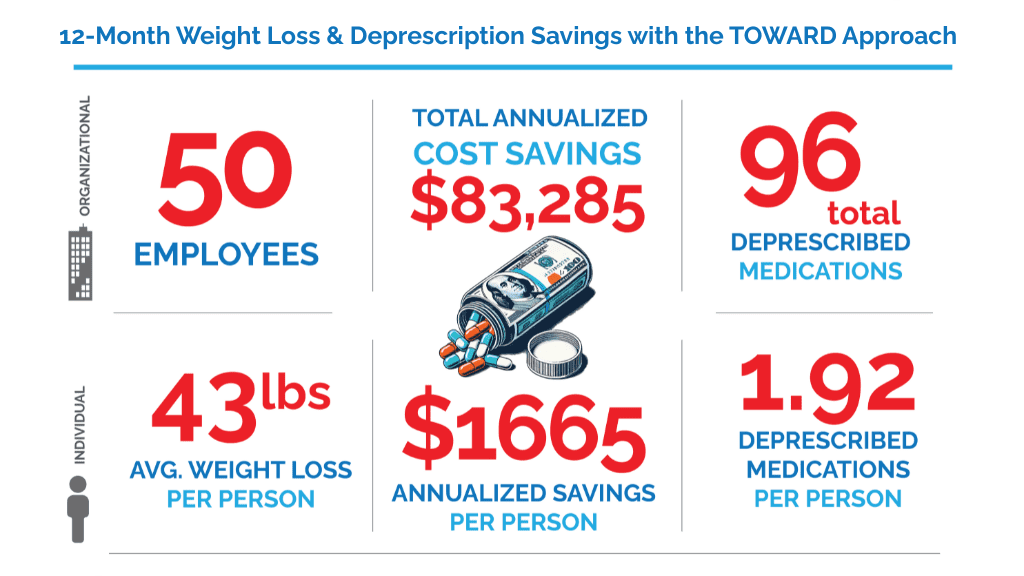
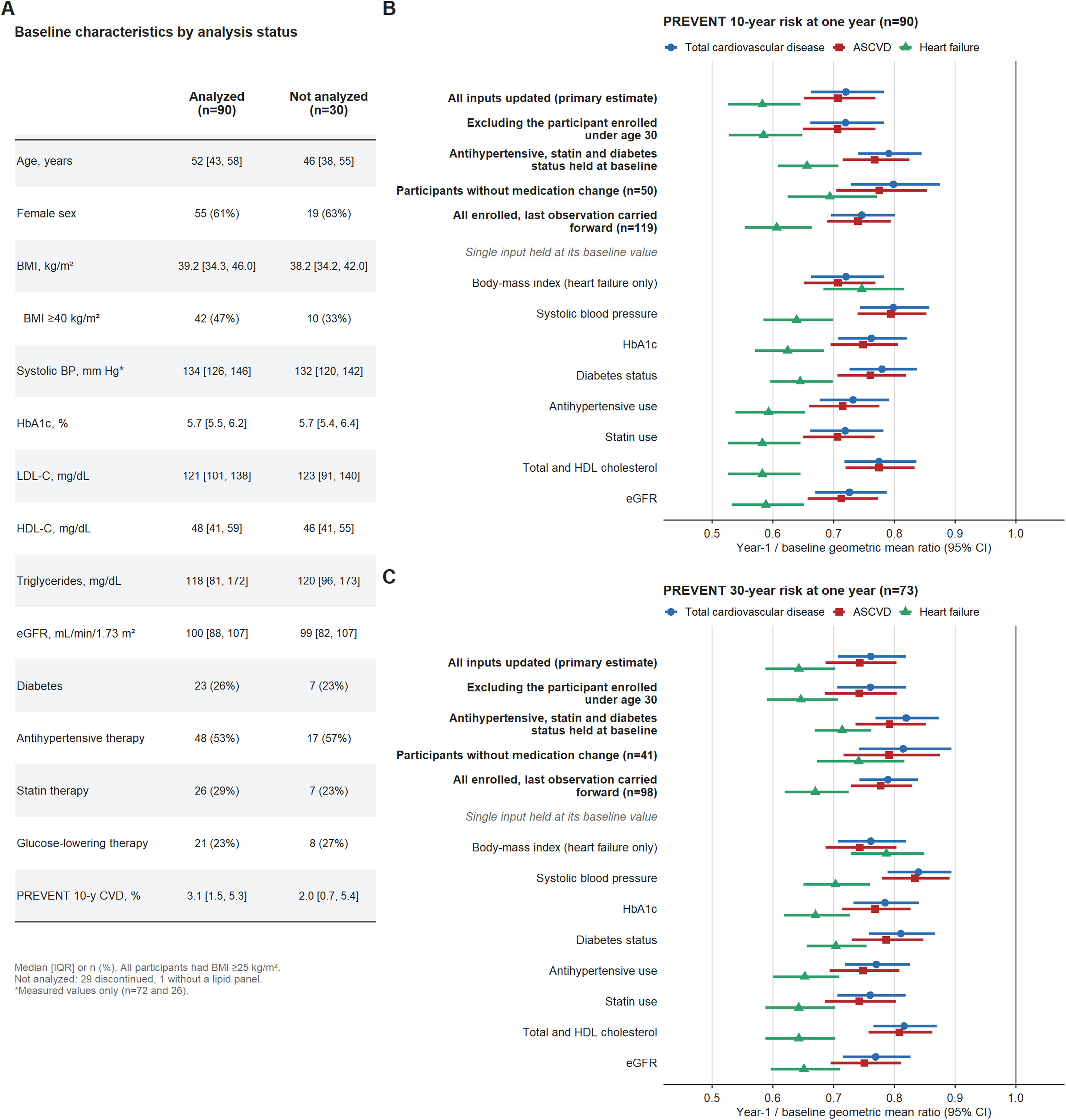
Our 2026 American Journal of Preventive Cardiology paper examined a year of telehealth metabolic care centered on a therapeutic ketogenic diet. This retrospective cohort included 120 adults; 90 had paired PREVENT estimates. Estimated 10-year risks fell by 29% for atherosclerotic cardiovascular disease, 28% for total cardiovascular disease and 42% for heart failure. [2]
Median weight fell 12.2%, systolic pressure fell 10.7 mmHg, HbA1c fell 0.48 percentage points and triglycerides fell 34 mg/dL. Across the cohort, 125 medications were discontinued. The study measured metabolic improvement and estimated cardiovascular risk, rather than changes in coronary plaque or observed heart attacks. [2]
At Toward Health, nutrition changes come with coaching, clinician follow-up, remote monitoring and medication adjustment. Individualized carbohydrate reduction can help people work on glucose, weight and appetite together. Follow-up matters as blood sugar and pressure improve, especially for people using medications that can cause low glucose or low blood pressure. Our Research →
Build the foundation every day
Start with food you can sustain, adequate nutrition and less reliance on highly processed foods. Track blood sugar and blood pressure rather than guessing from weight alone.
Build aerobic fitness and strength, stop smoking, protect sleep and address persistent stress. Poor sleep, fatigue or snoring deserve attention because an untreated problem can make daily changes harder. A plan that fits your work, family and physical capacity is more useful than a demanding routine you cannot maintain. [3]
Exercise can affect plaque directly. In CENIT, six months of supervised interval training after a coronary procedure reduced percent atheroma volume (the share of measured vessel volume occupied by plaque) by about 1.2 percentage points; the control group received usual preventive care. Participants continued medical treatment. For people with established heart disease, cardiac rehabilitation or a supervised program provides a practical way to build exercise intensity. [4] [1]
Know what your tests are measuring
A CAC scan measures calcified coronary plaque. CCTA can show calcified and noncalcified plaque, narrowing and plaque composition. Stress testing evaluates whether the heart develops inadequate blood supply during exertion or medication-induced stress. These tests answer different questions; a normal stress test does not mean the arteries contain no plaque.
Age, symptoms and family history give a scan its context. A zero calcium score often indicates lower near-term risk, but it does not exclude soft plaque or explain new symptoms. Whether to repeat imaging depends on what the result would change in your care. Compare CAC, CCTA, HeartFlow, Cleerly and stress tests →
Non-statin options for LDL and plaque
Ezetimibe
Ezetimibe reduces intestinal cholesterol absorption. In PRECISE-IVUS, adding it to atorvastatin produced greater plaque regression than atorvastatin alone over 9–12 months: median percent atheroma volume changes were −1.4 versus −0.3 percentage points. IMPROVE-IT also found fewer composite cardiovascular events after acute coronary syndromes: 32.7% versus 34.7% at seven years with ezetimibe plus simvastatin versus simvastatin alone. [5] [6]
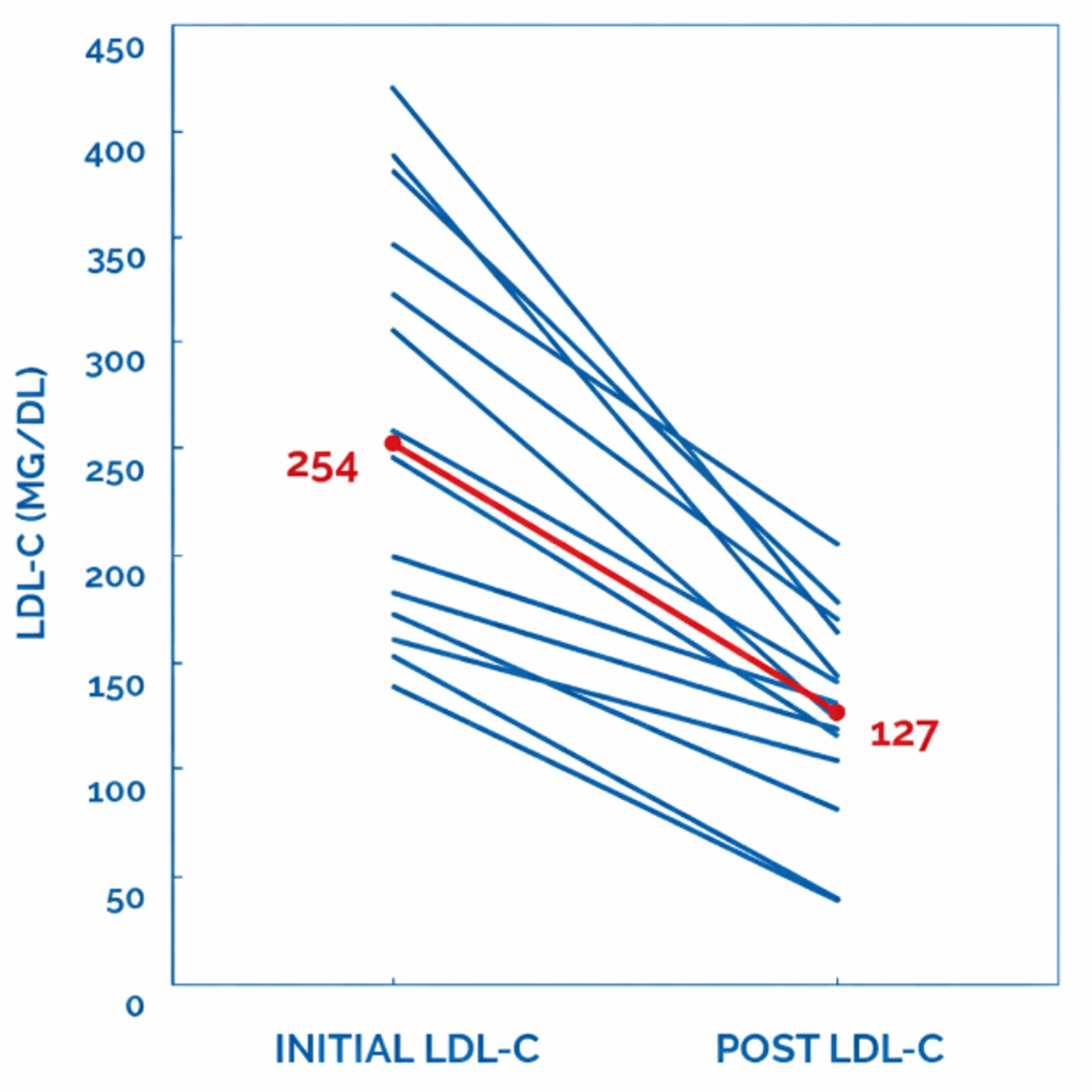
Our Lipids in Health and Disease case series explored a notable response during carbohydrate restriction. Among 14 patients selected for a large response to ezetimibe, the median paired LDL reduction was 53.2%; 12 used ezetimibe alone and two also used statins. This helps identify a useful treatment option for selected patients with diet-associated LDL elevations. The result describes these responders, rather than the average response everyone should expect. Plaque and cardiovascular events were not measured. [7]
PCSK9 inhibitors
These injections can produce substantial additional LDL lowering. GLAGOV tested evolocumab added to statins: percent atheroma volume fell 0.95 percentage points versus a 0.05-point increase with placebo at 78 weeks. FOURIER measured clinical outcomes: its composite endpoint occurred in 9.8% versus 11.3% over a median 2.2 years. The endpoint combined cardiovascular death, heart attack, stroke, unstable-angina hospitalization and coronary revascularization. Injection-site reactions are a possible tradeoff. [8] [9]
Triglycerides and inflammation also matter
Prescription EPA
EVAPORATE studied prescription icosapent ethyl in people with coronary disease and elevated triglycerides already taking statins. Low-attenuation plaque volume fell 17% over 18 months, compared with a 109% increase in the placebo group. Low-attenuation plaque is a softer, lipid-rich component measured on CCTA. [10]
In REDUCE-IT, the composite cardiovascular endpoint occurred in 17.2% versus 22.0% over a median 4.9 years. Hospitalization for atrial fibrillation or flutter was more frequent, 3.1% versus 2.1%. Serious bleeding occurred in 2.7% versus 2.1%; that difference did not reach statistical significance. These results apply to prescription EPA in the studied patients, not ordinary fish-oil supplements. [11]
Colchicine
Low-dose colchicine targets inflammation. LoDoCo2 found fewer cardiovascular events in people with chronic coronary disease. In the 12-month EKSTROM imaging trial, colchicine slowed overall plaque progression, while the primary low-attenuation plaque measurement did not differ significantly. Kidney function, digestive tolerance and medication interactions help determine whether it fits an individual treatment plan. [12] [13] [1]
Blood pressure control and aspirin
For someone with high blood pressure, sustained control may be the single most important modifiable step to help prevent further coronary calcium and plaque progression. Higher blood pressure is linked to faster progression, and treating hypertension lowers cardiovascular risk. Nutrition, activity and medication can all help achieve lasting control. [1] [33] [34]
Aspirin does not shrink plaque, but it helps prevent clots and has mild anti-inflammatory activity. A positive coronary calcium score can prompt a discussion of low-dose aspirin as a real option, especially when Lp(a) is elevated. The decision should weigh bleeding risk alongside calcium burden and overall cardiovascular risk. [35] [36] [37]
Vitamin K2, vitamin D and nattokinase
Vitamin K2 and D3
Recent trials suggest a role in slowing calcification when substantial calcium is already present. AVADEC was neutral overall, with a signal in the higher-CAC subgroup. In DANCODE, people starting at CAC 400 or above had a smaller two-year calcium-score increase with K2 plus D3: 196 versus 248 units. Total plaque volume increased similarly in both groups. Slower calcification is a different result from removing plaque or preventing a heart attack. [14] [15]
In VitaK-CAC, a two-year randomized trial in people with symptomatic coronary disease, vitamin K2 alone (MK-7, 360 micrograms daily) slowed the rise in coronary calcium versus placebo by an adjusted 22 Agatston units (P = .02). This finding concerns calcium progression, not demonstrated plaque regression or fewer heart attacks. [38]
Nattokinase
A retrospective study of 1,062 people using nattokinase at 10,800 fibrinolytic units (FU) daily for 12 months reported smaller carotid plaque measurements in 66.5% of those assessed. That is the proportion of people who improved, not the percentage of plaque removed. A separate randomized trial using 2,000 FU daily found no benefit on carotid atherosclerosis measures over three years. The higher-dose study reported plaque regression, but these studies did not demonstrate reduced cardiovascular events or mortality. [16] [17]
Where statins fit and what to watch
Statins reduce heart attacks and strokes in appropriate patients, with larger absolute benefits when baseline risk is higher. They can also reduce coronary plaque: in SATURN, percent atheroma volume fell 0.99 percentage points with atorvastatin and 1.22 with rosuvastatin over 104 weeks; the difference between regimens was not statistically significant. They are one part of the treatment conversation, alongside metabolic care, preferences and alternatives. [18] [19]
Greater plaque reduction with combination therapy
Statins can reduce coronary plaque while increasing plaque calcification and calcium density. [39] Ezetimibe can enhance plaque regression when added to statin therapy. [5]
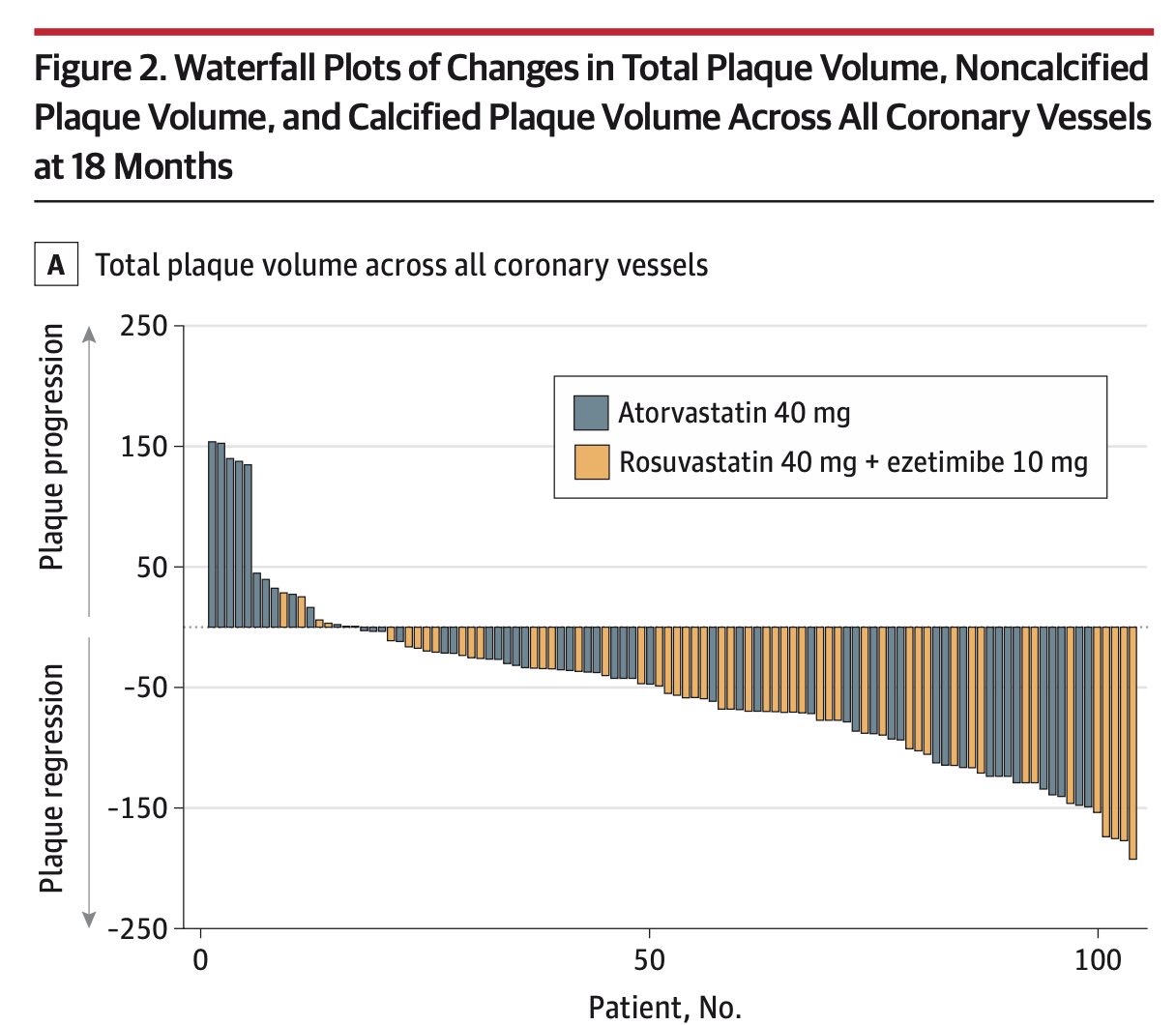
In FLOWPROMOTE, rosuvastatin 40 mg plus ezetimibe 10 mg reduced total plaque volume by 21.1% and noncalcified plaque by 28.2% over 18 months, compared with 13.6% and 20.0% with atorvastatin 40 mg. Calcified plaque increased similarly in both groups: the combination achieved greater plaque reduction with a similar change in calcified plaque. [40]
Blood sugar and insulin resistance
Statins can raise glucose and HbA1c, and reduced insulin sensitivity has been measured in some studies. More intensive treatment carries a greater risk of a new diabetes diagnosis, particularly near the diagnostic threshold. Large blinded trials found about 1.2 additional diabetes diagnoses per 1,000 people treated for a year with low- or moderate-intensity statins. Follow glucose trends and discuss the regimen if metabolic control worsens. [20] [21]
Muscle symptoms and CoQ10
Muscle pain or weakness deserves attention. Blinded trials found about 11 additional reports per 1,000 people during the first treatment year. Statins lower circulating CoQ10, and some high-dose studies also found lower muscle CoQ10. Tissue effects vary, and supplements have not consistently relieved symptoms. Investigating medication interactions, dose and other causes can help find a treatment you tolerate. [22] [23] [24] [25]
Vitamin K2
Laboratory and animal research suggests interference with production of MK-4, a form of K2; human studies have reported changes in vitamin K-related biomarkers. [26] [27]
Uncommon serious effects
Uncommon serious effects include severe muscle injury, autoimmune muscle disease and significant liver injury. Severe weakness, dark urine or jaundice warrant prompt medical evaluation. Symptoms can justify a different dose, regimen or treatment. They should not simply be dismissed. [28]
Follow the health changes, not just the calcium number
Track symptoms, exercise capacity, glucose, blood pressure, lipids and treatment tolerance. A rising calcium score during statin treatment does not, by itself, prove failure: PARADIGM linked statin use with more calcification alongside slower noncalcified plaque progression and fewer new high-risk features. Interpret follow-up imaging in that context. [29]
Build your plaque-reduction plan
Bring your scan report, medication list and recent labs into one conversation with your care team. Identify the metabolic changes you can make, decide which treatments offer worthwhile benefit, and agree on how you will measure progress. A useful plan treats the person and the disease together.
Take the next step.
Get the PDF and its weekly email series.
Weekly lessons arrive Saturdays at 10:00 a.m. Eastern, one series at a time.
Sources
- 2023 multisociety guideline for chronic coronary disease.
- Calkins et al. (2026): one-year change in PREVENT-estimated cardiovascular risk during telehealth metabolic care centered on a therapeutic ketogenic diet. Toward Health’s published results summary.
- Life’s Essential 8: cardiovascular health across the life course.
- CENIT: high-intensity interval training and coronary plaque.
- PRECISE-IVUS: ezetimibe added to atorvastatin.
- IMPROVE-IT: ezetimibe after acute coronary syndromes.
- Toward Health: ezetimibe response during carbohydrate restriction.
- GLAGOV: evolocumab and coronary plaque regression.
- FOURIER: evolocumab and cardiovascular outcomes.
- EVAPORATE: prescription EPA and coronary plaque.
- REDUCE-IT: icosapent ethyl and cardiovascular events.
- EKSTROM: colchicine and coronary plaque progression.
- LoDoCo2: colchicine in chronic coronary disease.
- AVADEC: vitamin K2, vitamin D and coronary calcium.
- DANCODE: vitamin K2 and D3 in severe coronary calcification.
- Nattokinase: retrospective carotid study of 1,062 participants.
- NAPS: randomized nattokinase prevention trial.
- CTT: LDL lowering and major vascular events.
- SATURN: intensive statins and coronary plaque.
- CTT: statins, glycaemia and new diabetes.
- Atorvastatin and insulin sensitivity: randomized trial.
- CTT: statins and muscle symptoms.
- Serum ubiquinone during statin treatment.
- Muscle ubiquinone with simvastatin and atorvastatin.
- CoQ10 in confirmed statin myalgia: randomized trial.
- Statins and tissue vitamin K metabolism in mice.
- Statin use and vitamin K-related biomarkers.
- Atorvastatin: official prescribing information.
- PARADIGM: statin treatment and plaque composition.
- Metabolic syndrome and progression of coronary calcium, stenosis and plaque on serial CT.
- PARADIGM: diabetes status and change in coronary plaque volume on serial CCTA.
- PESA: insulin resistance and subclinical atherosclerosis with normal HbA1c.
- Systolic blood pressure maintenance and coronary calcium progression: retrospective cohort.
- Serial CCTA: systolic blood pressure maintenance and coronary plaque progression.
- 2026 ACC scientific statement on antiplatelet therapy.
- MESA: aspirin and coronary risk with elevated Lp(a).
- Randomized human study of low-dose aspirin and anti-inflammatory lipoxin.
- VitaK-CAC: two-year randomized trial of vitamin K2 and coronary calcium progression.
- van Rosendael AR, van den Hoogen IJ, Gianni U, et al. Association of Statin Treatment With Progression of Coronary Atherosclerotic Plaque Composition. JAMA Cardiology. 2021;6(11):1257–1266. doi: 10.1001/jamacardio.2021.3055. ↩
- Mortensen MB, Iraqi N, Sand NPR, et al. Intensive vs More Intensive Lipid-Lowering Therapy and Plaque Regression in Statin-Naive Patients: Prespecified Analyses From the FLOWPROMOTE Randomized Clinical Trial. JAMA Cardiology. Published online October 30, 2026. doi: 10.1001/jamacardio.2026.4788. ↩