
Type 2 diabetes remission is a treatment goal, not a mystery. This protocol begins with a practical sequence: change the food, make medication changes safely, add movement and fasting when appropriate, correct nutrient gaps, and measure what happens.
The Protocol
- Establish the starting point and a medication plan. Record HbA1c, home glucose or CGM patterns, medication doses, weight or waist, blood pressure, kidney function, and the goals that matter to you. Agree on who will review glucose readings and how quickly medication can be changed. If you use insulin or a sulfonylurea, substantial carbohydrate reduction or fasting can cause hypoglycemia unless your clinical team adjusts treatment. SGLT2 inhibitors need a specific clinician review because ketogenic eating, fasting, dehydration, or illness can increase ketoacidosis risk even when glucose is not markedly high. Read Toward Health’s medication guide before beginning. [1, 2]
- Start a sustainable low-carbohydrate food plan. Remove sugary drinks and substantially reduce the sugars and starches that drive your own glucose spikes. Build meals around adequate protein, non-starchy vegetables, and foods that keep you satisfied. Use glucose patterns, hunger, medication requirements, and preference to personalize how much carbohydrate to eat. Toward Health’s studied intensive program used no more than 30 grams of total carbohydrate a day with medical and coaching support; that is an example of a therapeutic option, not a requirement for everyone. Start with the Low-Carb Starter Protocol. [3, 4]
- Add a predictable eating window if it helps. First make meals and glucose management reliable. Then consider an overnight fast or a longer eating window with your clinical team, based on medication, appetite, schedule, and response. Do not treat prolonged fasting as the entry fee for remission. The Fasting Starter Protocol explains how to begin. People using insulin or insulin-releasing drugs need a medication and glucose-monitoring plan before fasting. In a small randomized trial, an intermittent calorie-restricted program produced medication-free remission in 17 of 36 participants at six months versus 1 of 36 controls; calorie restriction and fasting were bundled, so that result is not an isolated effect of the fasting clock. [5]
- Move after meals and train your muscles. Begin with a walk or other movement after meals, build regular aerobic activity, and include resistance training at least twice weekly when feasible. Muscle is a major site of glucose disposal. A meta-analysis of randomized trials found structured exercise lowered HbA1c by about 0.67 percentage points versus controls, although that figure is not a stand-alone remission rate. Use the Beginner Exercise Protocol or Minimalist 2x/Week Strength Protocol to make this repeatable. [6]
- Address nutrient gaps, sleep, and support. Review magnesium-rich foods and possible magnesium loss, vitamin D status, B12 exposure during metformin treatment, and possible zinc or thiamine deficiency. Replace a documented or likely deficiency when appropriate; the evidence for each nutrient is described below. Protect sleep and get help with appetite, cravings, and routines rather than relying on willpower alone. The Sleep Protocol and Supplement Guide provide practical next steps. [7, 8]
- Measure, adjust, and maintain. Review glucose trends frequently while treatment changes; reassess HbA1c and medications with your clinician on an agreed schedule, commonly at about three months. Continue eye, kidney, foot, blood-pressure, and cardiovascular follow-up. Formal remission is HbA1c below 6.5% measured at least three months after stopping glucose-lowering medication. For a lifestyle intervention, the international consensus advises waiting at least six months after the intervention begins before assessing remission. If HbA1c improves while metformin or another glucose-lowering drug continues, celebrate the improvement but record it separately from medication-free remission. Once remission is reached, keep monitoring at least annually and return promptly to the habits that worked if glucose rises. [9]
The Reasoning
Carbohydrate restriction can lower the glucose load from meals quickly, which is why medication requirements may change before much weight is lost. Fasting can reduce eating opportunities and support a plan that fits a person’s life. Movement improves glucose disposal and protects muscle. Weight loss and reduced liver and visceral fat can further improve insulin resistance. These tools work together, but they are not identical and no one has to use every tool at maximum intensity. [1, 4, 5, 6]
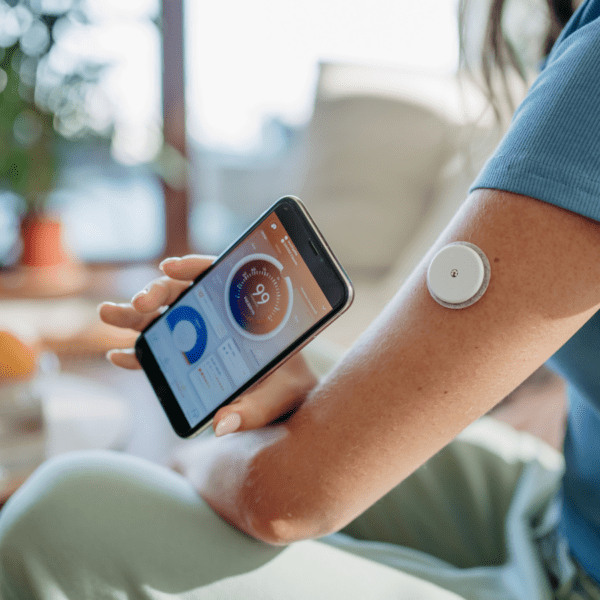
The most useful feedback is concrete: glucose before and after meals, HbA1c, medication burden, body measurements, energy, cravings, and whether the plan can be repeated. A CGM can reveal individual food and timing patterns; it is a feedback tool, not a mandatory purchase or a definition of remission. For help interpreting trends, see Toward Health’s blood-sugar lessons. [10]
Nutrients worth addressing
These nutrients matter to metabolic health. Their evidence differs from the evidence for a full remission program. Use them to correct a real gap, not as a substitute for food changes, medication management, exercise, and follow-up.
- Magnesium. Magnesium supports insulin action, and high glucose can increase urinary magnesium loss. Lower dietary intake is consistently linked to higher future diabetes risk. Favor magnesium-containing foods and consider supplementation when intake or status is low, with kidney function and other medicines considered. Small supplementation trials in established type 2 diabetes have had mixed glucose results; magnesium alone has not been shown to produce remission. [11]
- Vitamin D. Check and correct deficiency when indicated. Low vitamin D status is associated with future diabetes risk. In a pooled analysis of three randomized trials in people with prediabetes, vitamin D reduced progression to diabetes by 15% relatively, or 3.3 percentage points over three years. That is prevention evidence, not a remission estimate for people who already have type 2 diabetes. [12, 13]
- Vitamin B12. Put B12 on the checklist particularly for anyone taking metformin, especially with neuropathy symptoms, anemia, or prolonged treatment. A 4.3-year randomized trial found metformin increased absolute B12-deficiency risk by about 7 percentage points. Correcting deficiency is important care, but B12 supplementation itself is not established as a remission treatment. [14]
- Zinc. Low zinc was more common in one cross-sectional sample of people with established diabetes and tracked with higher HbA1c. A long prospective cohort, however, associated higher serum zinc with greater future diabetes risk. Assess suspected deficiency and correct it when present; do not assume more zinc is better or add a high-dose zinc supplement to every remission plan. [15, 16]
- Thiamine (vitamin B1). A small physiologic study found much lower plasma thiamine and greater urinary loss in people with diabetes. This supports attention to intake and possible deficiency after diabetes develops; it does not show that thiamine supplementation induces remission. [17]
What the research shows
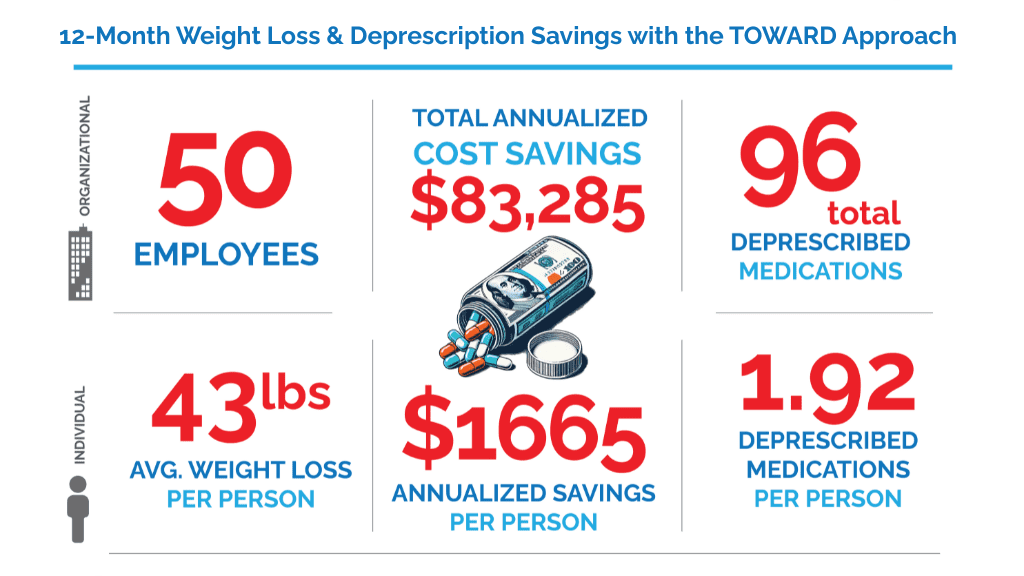
Toward Health. In a 2026 conference poster from its clinician-supported employee program, 14 of 26 participants with type 2 diabetes (54%) had HbA1c below 6.5% without diabetes medication at one year; three more reached that HbA1c threshold on metformin alone. The full program combined individualized low-carbohydrate nutrition, monitoring, coaching, and medical care. This is a conference report from an uncontrolled program, not a separate randomized test of each component or a peer-reviewed remission trial. Toward Health’s earlier peer-reviewed employee studies reported weight, glycemic and medication improvements; they are stages of the same continuing program and should not be counted as independent confirmations of the 54% figure. [3, 7, 18]
In a separate three-patient published case series by Gavidia and Dr. Tro Kalayjian, ketogenic nutrition plus intermittent fasting and clinical oversight reduced mean HbA1c from 11.9% to 6.7% in four months while diabetes medicines were stopped, without clinically significant weight loss. This demonstrates how rapidly glucose and medication needs can change; the series does not establish a remission rate. [4]
Virta Health. In a nonrandomized continuous-care study, 46 of 262 intervention enrollees (17.6% in the reported imputed analysis) met medication-free remission at two years, compared with 2 of 87 usual-care patients. Virta’s larger 53.5% “reversal” figure allows metformin and is a different outcome. At five years, 24 of 122 retained intervention participants (20%) were in remission; the retained group is smaller than the original enrollment. [19, 20]
Drs. David and Jen Unwin. In their UK primary-care service evaluation, 94 of 186 people who chose a supported lower-carbohydrate program (51%) reached drug-free remission after an average 33 months. Among people diagnosed within the preceding year, 54 of 70 reached remission. This shows what a practical community-care pathway can achieve, while the self-selected observational design differs from a randomized trial. [21]
The practical message across these programs is to start early, make the treatment repeatable, and pair nutrition with medication decisions and real follow-up. A person who does not meet the formal medication-free definition can still achieve major improvements in glucose, medicine burden, energy, and cardiovascular risk. Read the longer remission evidence article for the full discussion.
Continue reading
- Type 2 Diabetes & Insulin Resistance Hub
- Toward Health’s one-year remission poster
- Diabetes medication changes during low-carb care
- Low-Carb Starter Protocol
- Fasting Starter Protocol
- Beginner Exercise Protocol
- Toward Health Supplement Guide
Clinical note: This protocol is a framework for discussing treatment with your own clinical team, not a personal prescription or a new doctor-patient relationship. The glucose-lowering and ketoacidosis risks at the start of low-carb eating or fasting require a medication plan before you begin. Supplement choices depend on diet, symptoms, kidney function, labs, and medication use.
References
- Toward Health. Low-Carb Nutrition and Diabetes Medications: What Can Change Quickly.
- Toward Health. Starting Low Carb Safely: Medications, Lab Changes, and Side Effects.
- Buchanan LA et al. 2026 Society of Metabolic Health Practitioners poster: one-year employee-program remission results.
- Gavidia K, Kalayjian T. Ketogenic diet and intermittent fasting in three patients with type 2 diabetes. Front Nutr. 2021;8:687081.
- Yang X et al. Intermittent calorie-restricted diet and type 2 diabetes remission: randomized trial. J Clin Endocrinol Metab. 2023.
- Umpierre D et al. Structured exercise and HbA1c in type 2 diabetes: randomized-trial meta-analysis. JAMA. 2011.
- Buchanan LA et al. One-year employee metabolic-health program outcomes. Front Nutr. 2025.
- Toward Health. Sleep Protocol.
- Riddle MC et al. Consensus report: definition and interpretation of remission in type 2 diabetes. Diabetes Care. 2021.
- Toward Health. Blood Sugar Protocol: lessons from CGM reviews.
- NIH Office of Dietary Supplements. Magnesium: Health Professional Fact Sheet.
- Forouhi NG et al. Vitamin D status and incident type 2 diabetes: prospective-study meta-analysis. Diabetologia. 2012.
- Pittas AG et al. Vitamin D and diabetes risk in prediabetes: individual-participant meta-analysis of three randomized trials. Ann Intern Med. 2023.
- de Jager J et al. Long-term metformin treatment and vitamin B12 deficiency: randomized trial. BMJ. 2010.
- Farooq DM et al. Zinc status and glycemic control: cross-sectional study. J Fam Community Med. 2020.
- Yary T et al. Serum zinc and future type 2 diabetes in men: prospective cohort. J Trace Elem Med Biol. 2016.
- Thornalley PJ et al. Plasma thiamine and renal clearance in type 1 and type 2 diabetes. Diabetologia. 2007.
- Norwitz NG et al. Six-month pilot of an employee metabolic-health program. Metabolites. 2022.
- Athinarayanan SJ et al. Two-year continuous remote care and nutritional ketosis outcomes. Front Endocrinol. 2019.
- McKenzie AL et al. Five-year follow-up of continuous remote care for type 2 diabetes. Diabetes Ther. 2024.
- Unwin DJ et al. Drug-free remission through a lower-carbohydrate primary-care program. BMJ Nutr Prev Health. 2023.