
Video with Dr. Tro · 7:16
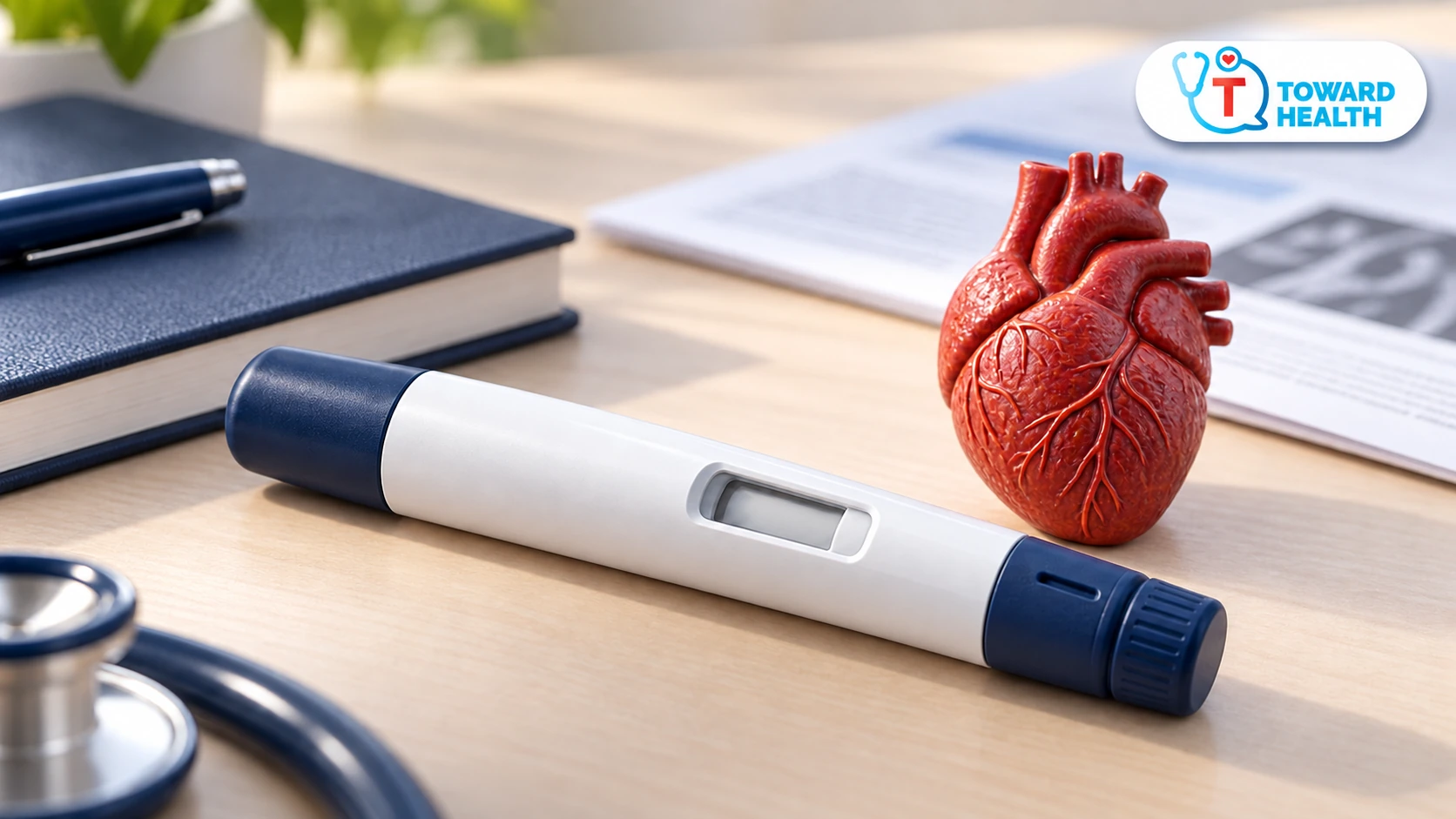
Exercise can support far more than weight loss. In this video, Dr. Tro explains how movement can benefit cardiovascular, metabolic, mental and bone health. He compares several forms of training, explains how the best choice depends on a person's goals and emphasizes starting small enough to remain consistent.
What this video covers
- Why exercise matters even when weight loss is not the main result.
- How movement can support cardiovascular, metabolic, mental and bone health.
- How Zone 2 aerobic training, high-intensity intervals, resistance training, classes and mobility work serve different goals.
- Why resistance and isometric exercise can be useful when strength, bone health or blood pressure is the goal.
- How a five- to 10-minute walk or brief “exercise snack” can become the foundation of a sustainable routine.
- Why exercise should support health and quality of life rather than function as punishment for eating.
- Why the best exercise plan is one that fits the individual and can be repeated consistently.
Evidence behind the video
- A network meta-analysis of 270 randomized trials found that aerobic, resistance, combined, interval and isometric exercise all reduced resting blood pressure, with isometric exercise ranking highest in that analysis. Edwards et al., British Journal of Sports Medicine, 2023
- A systematic review and network meta-analysis of randomized trials found meaningful improvements in depression with several exercise modalities, including walking or jogging, yoga and strength training. Noetel et al., BMJ, 2024
- A systematic review and meta-regression found that endurance, high-intensity and sprint-interval training all increased skeletal-muscle mitochondrial content, with the appropriate training choice depending on goals, starting fitness and available training time. Mølmen et al., Sports Medicine, 2025
Exercise should be adapted to the individual's ability, symptoms, medical history and goals. Someone with concerning symptoms, an injury or a significant medical condition may need guidance before starting or intensifying a program.
Related article
See Exercise for Mental Health: Why Movement Matters Beyond Weight Loss. The article links back to this video so readers can choose either format.
Video transcript
Start with the outcome you want
I'm excited to talk about exercise, which is our next lever. Exercise is an amazing intervention for overall health. I'm not going to go into all of the health implications around exercise, but it is a mental health tool. It is a bone health tool. It develops muscle. It helps reduce fat. It happens not to be a great overall weight-loss tool, but it is very, very effective at improving your cardiovascular health, your bone health and your metabolic health.
There are various forms of exercise for various medical outcomes, so it is important to ask yourself: What are you trying to accomplish? We're going to go over some of the components of an exercise prescription and how you can figure out what exercise is best for your goals.
You may want to become more flexible and mobile. You may want to focus on your mitochondrial or metabolic health. You may be exercising for mental health. You may want to consider exercise for cardiovascular and respiratory health. You may want to get stronger, improve your bone health or increase your bone mineral density. When you're thinking about exercise, consider your goals and then add the exercises that most effectively address those goals.
Different forms of training
There are many different approaches and modalities. Zone 2 cardiovascular training means training where your heart rate is relatively low, typically in the 100-to-130-beats-per-minute range depending on your age. This level of exercise has been shown to improve mitochondrial and cardiovascular health.
You may want to consider high-intensity interval training: a period of three to four minutes of very intense cardiovascular exercise followed by a three- to four-minute rest period, often repeated three or four times. There is also the Wingate approach, which uses a 30-second period of high intensity followed by a three- to five-minute rest period.
Resistance training is typically considered weightlifting, but it can also be done with bands or Pilates. You can consider classes or conventional cardiovascular training such as running, biking and rowing. There are also active and passive stretches that you can use. These are different exercises to consider depending on your goals.
Match the method to the goal
If your goal is cardiovascular health and blood pressure, resistance training—particularly isometric resistance training—has been very powerful for lowering blood pressure. Cardiovascular training and Zone 2 training have been shown to reduce plaque that develops in our heart arteries.
For strength, resistance or weight training is one of the most effective approaches. For bone health, weight training and dynamic stretching can support bone and connective-tissue health.
For metabolic health, Zone 2 training can be used to improve mitochondrial health. The main takeaway is that you do not want to overtrain. Very intense exercise for multiple hours every day can impair mitochondrial health. Incorporate days where you use Zone 2 training as part of the program.
Exercise and mental health
If mental health is your goal—if you want to feel good, feel energized and have fewer symptoms of anxiety or depression—exercise can have a meaningful impact. Cardiovascular training, Zone 2 training and resistance training have all been shown to improve mental health, particularly anxiety and depression.
Exercise can be nearly as effective as modern antidepressants for anxiety and depression. I'm not saying one would replace the other. I'm giving you an idea of the power of this modality.
Start small and build consistency
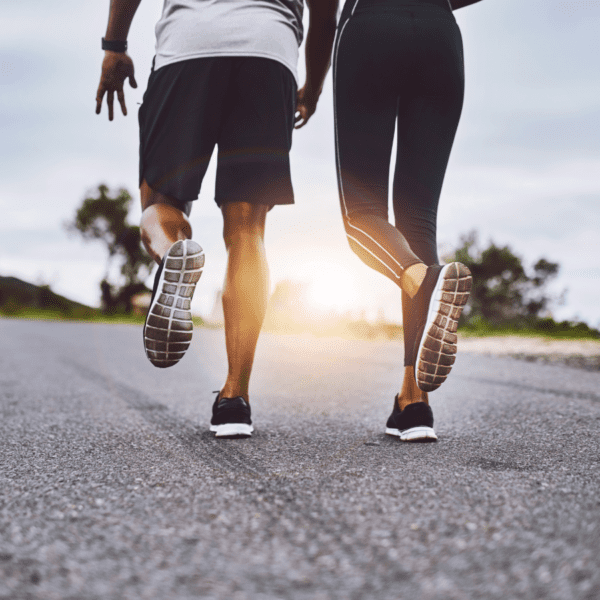
When you're looking to implement a program, you can start small. Even daily movement is a good step. If a five- to 10-minute walk is your first step and you create that habit, over time you can increase it to 30 minutes or maybe 60 minutes. Ultimately, consistency is the key. If all you have is five or 10 minutes, start there.
You can find other fun ways to bring exercise into your life: take the stairs at work or use what we call exercise snacks, such as 10 bodyweight squats in the middle of your workday. These are things you can implement until you have the time you may want to dedicate.
Again, I'm going to reemphasize this: do what you can. Exercise is not a punishment. It is not something you have to do because you ate something you weren't happy about. The goal when you exercise is to improve your quality of life and overall health. Do what you can, increase it over time, remain consistent and make progress.
Health benefits can occur without weight loss
Exercise is a great metabolic-health tool, but it is not always an excellent weight-loss tool. You can exercise every day of the week for a year and become stronger, happier and healthier without losing weight. You will have more muscle, but you may not lose weight.
If you're looking to exercise as a weight-loss tool, I suggest focusing more on your diet. If you're looking to feel good, become strong and resilient, and improve your cardiovascular, respiratory and bone health, exercise is the way to go.