
Protein, strength, and medication safety deserve particular attention when older adults adopt a low-carbohydrate diet.


If you take medicine for type 2 diabetes or high blood pressure, work with your prescribing clinician before changing it; blood sugar and blood pressure may shift as your diet changes.
Background on the two presentations
The original 2023 post described Dr. Buchanan as a certified metabolic health practitioner and a founding member of the Society of Metabolic Health Practitioners. Her stated mission was to help people age successfully and to educate patients about ketogenic nutrition and aging.
On March 23, 2023, she spoke to the Forsyth County Republican Women. On March 30, she gave a second presentation for the Healthy Aging Virtual Conference.
For more background about the speaker, read Get to Know Dr. Laura Buchanan.
How the talks framed metabolic health and low-carb eating
The March 23 presentation focused on metabolic health, the modern food environment, and the use of a well-formulated ketogenic diet. According to the original recap, the talk described insulin resistance as a driver of metabolic disease, including obesity, diabetes, and high blood pressure.
The presentation used two theoretical examples. One described repeatedly eating high-carbohydrate meals and the resulting insulin response. The other used steak as an example in which insulin was described as increasing minimally and insulin resistance did not occur. The recap also said the talk addressed ghrelin, hunger, and the brain’s reward system.
“The US Dietary Guidelines have failed us. Only 7% of the United States has optimal cardiometabolic health based on their lipids, BMI, and blood sugar. I feel fortunate organizations like this are showing interest in low-carbohydrate education and recognizing it may have a role in improving our countries metabolic health,” said Dr. Buchanan.
Protein, strength, and frailty in older adults
The March 30 presentation focused specifically on the safety and effectiveness of a well-formulated ketogenic diet for older adults. The original recap highlighted nutrient-dense, high-protein foods and their proposed role in maintaining muscle mass and strength and mitigating frailty with age.
The practical emphasis was not simply carbohydrate restriction. It was how nutrition choices could be considered alongside protein intake, strength, function, medications, and clinical support as people age.
Why medication monitoring was emphasized
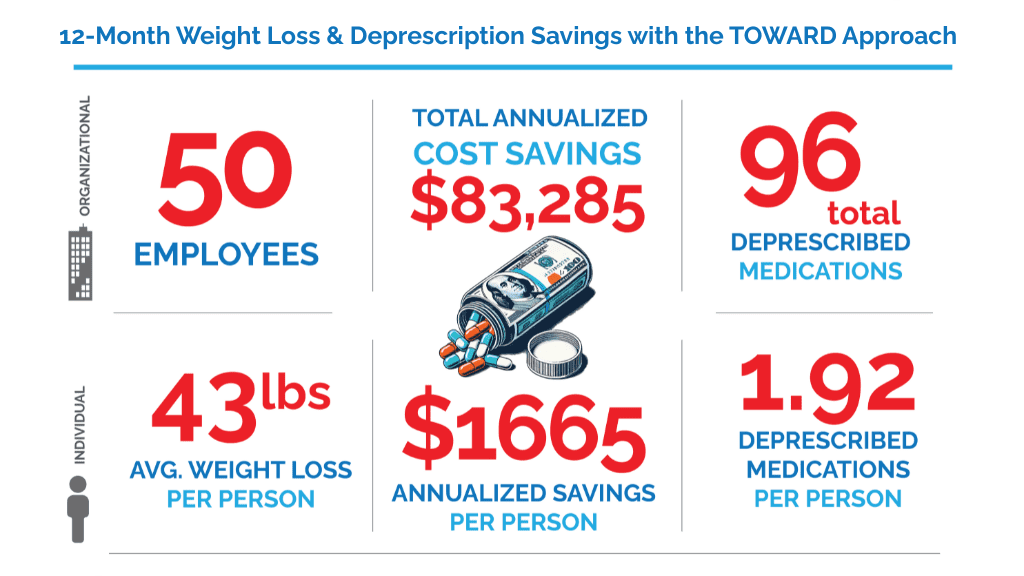
The original recap said older adults may be at risk of becoming overmedicated when blood sugar or blood pressure improves rapidly after a dietary change. It emphasized that people taking medication for type 2 diabetes or high blood pressure need a clinician and an experienced team-based care model that understands low-carbohydrate interventions and safe deprescribing.
“I was honored to give the talk on how to safely implement a ketogenic diet in the aging adult. I have had 80-year-old patients who were able to stop insulin by improving their metabolic health on a well formulated ketogenic diet. Empowering future dietitians with this knowledge is critical as more people start improving their metabolic health with a ketogenic lifestyle,” said Dr. Buchanan.
The patient example above is an anecdote from the original presentation recap. It should not be read as a result that can be expected by every patient.
Key takeaways from the 2023 talks
- The presentations connected low-carbohydrate nutrition with a broader discussion of metabolic health and aging.
- The older-adult presentation emphasized nutrient-dense protein, muscle mass, strength, and frailty.
- Medication monitoring was presented as a central safety issue for people taking diabetes or blood-pressure medication.
If you want a practical overview of the approach, continue with How to Start a Low-Carb Diet in 5 Practical Steps.
To discuss nutrition, medications, and monitoring with a clinical team, explore Toward Health Direct Primary Care.