
Considering bariatric surgery involves more than choosing a procedure. This guide walks through the questions discussed by Dr. Laura Buchanan: who may be a candidate, how the procedures differ, what complications can occur, and what long-term nutritional care involves. Her recorded discussion accompanies the article.
On this page
Who may be a candidate?
In the United States 25 million adults qualify for bariatric surgery and about 1% of them pursue it—252,000 people.
The NIH guidelines for candidates of bariatric surgery include:
- BMI ≥40 or BMI ≥35 plus an obesity related comorbidity (ex. T2DM, OSA, HTN)
- Be prepared and willing to commit to the necessary lifestyle changes → requires LIFELONG vitamin/mineral supplementation.
- Must have attempted medical weight loss without success
- Must agree to the regular follow up visits and other requirements of the surgical program
Just like with medicines there is a list of factors that disqualify people for bariatric surgery. The list includes: uncontrolled substance use disorder, eating disorder, history of psychiatric hospitalization in the past year, suicidal ideation or another major untreated psychiatric condition, women looking to become pregnant within the next 12 months, and people who are too ill or too high risk to undergo surgery.
Potential benefits of weight loss
There are numerous health benefits of weight loss and bariatric surgery can lead to a large amount of weight loss. In general, 5-10% of total body weight loss can lead to improvement in:
- Cholesterol and cardiovascular disease risk factors
- Blood pressure
- Insulin sensitivity
≥10% weight loss can lead to:
- Reversing NAFLD/NASH and even some liver fibrosis
- Improvement in OSA and arthritis
- Improvement in PCOS and infertility
While surgery should always be used as an adjunct to lifestyle changes (nutrition and physical activity, behavioral therapy), it can also help facilitate lifestyle changes when they have proven unsuccessful previously. Studies clearly show that bariatric procedures can improve health and quality of life, curtail weight regain, and increase the rate of remission from multiple medical conditions. In one study following patients for 20 years they saw an increase of 2.4 years in life expectancy as compared to the control group – HOWEVER – this was confounded by the control group gaining weight (2).
Complications and other considerations
There are some MAJOR acute and chronic complications that frequently occur from bariatric surgeries, and also additional complications that are mostly unique to specific types of procedures. Generally speaking there are:
- Acute complications: Nausea/vomiting, dehydration, bleeding, bowel obstruction, leaks, gout flares, infection, heart arrhythmias, blood clot in leg/lung (can be fatal in up to 1% of cases)
- Chronic complications: Weight regain, depression, transfer addiction (increase of excess substance use like alcohol and opioids), need for another surgery
- Contraindications: Barrett’s esophagus, Crohn’s disease, pregnancy (or trying to become pregnant within one year), uncontrolled drug or alcohol use disorder, uncontrolled psychiatric disorder, untreated gastric ulcer, poor surgical candidate (too many health comorbidities), intolerance to general anesthesia, unable to follow lifelong vitamin/mineral supplementation (can be expensive)
Additionally, following surgery there are higher rates of suicide and self-harm/suicide attempts post-operatively. This is likely multifactorial from psychiatric, medical, psychosocial, physiologic changes, and post-procedure complications that occur after surgery. For example, there are rapid and global changes required in someone’s post operative lifestyle; food is removed as a potential coping mechanism and changes in relationships occur.
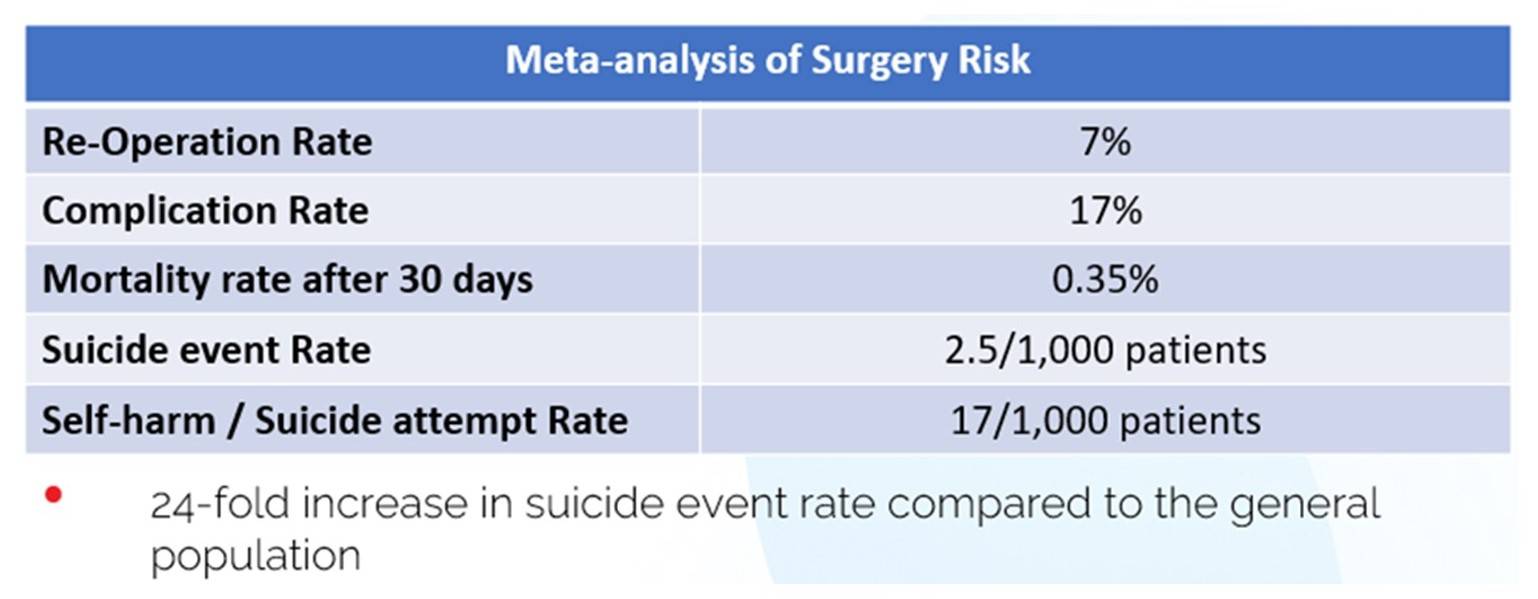
In a large study of over 148,000 subjects, the post-bariatric suicide event rate was 2.5/1000 patients and the suicide/self-harm attempt event rate was 17/1000 (3). This is 24 fold increase over the general population which has a suicide event rate of .11 per 1,000. Additionally, when comparing to matched control subjects, the odds of suicide/self-harm attempt was 3.8x higher in the bariatric surgery group (3).
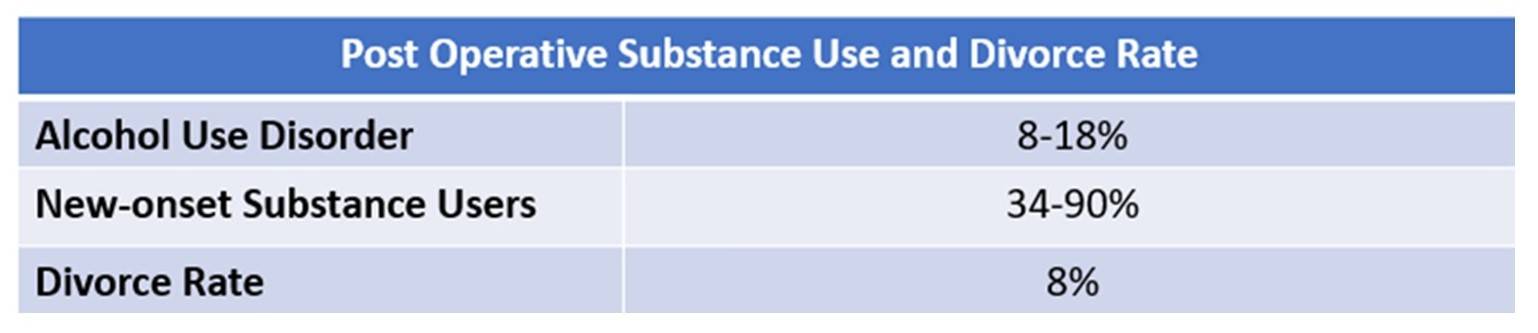
Other concerns include an increase in postoperative substance use and divorce rate (4, 5, 6). There is an 8% divorce rate after 5 years, which is 5.5% higher than the general US adult population. There is also an increase in opioid dose for those with chronic pain, which may be related to an increase in pain sensitivity following bariatric surgery.
Basic anatomy and terms
Let’s review some basic anatomy before we dive into the surgeries. The gastrointestinal tract (the path food takes before leaving our body) is broken down into the mouth, esophagus, stomach, small intestine (further broken down into duodenum, jejunum, and ileum), and then the large intestine. The stomach and duodenum are ~1 foot, the jejunum is ~8 feet, the ileum is ~12 feet, and the large intestine is ~5 feet in length. The total surface area of your intestines is half the size of a badminton court!
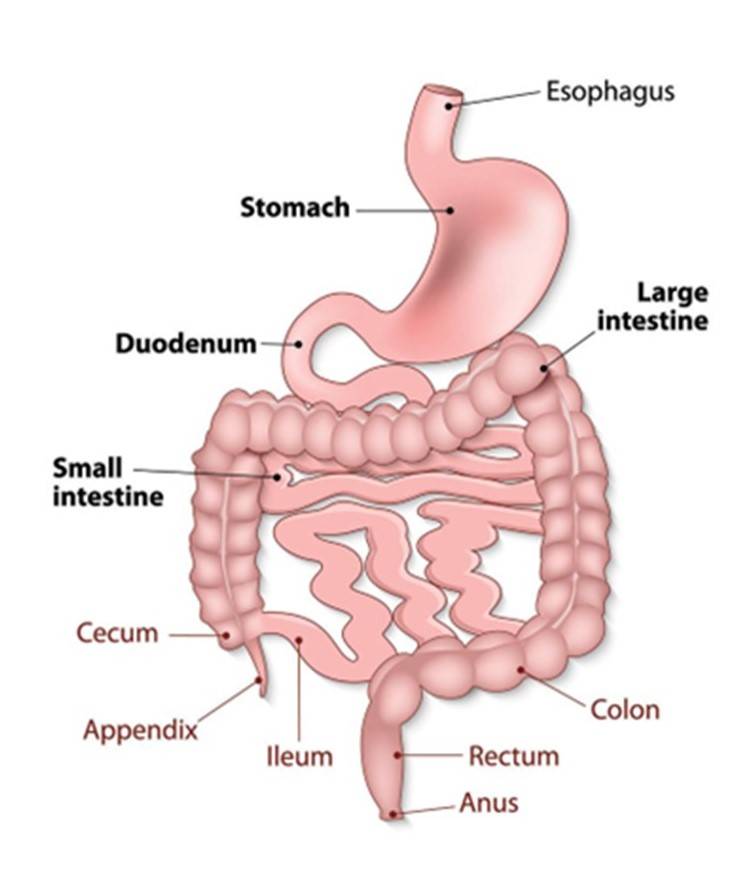
Additionally, it is important to know some terms when discussing bariatric surgery:
- Excess Body Weight Loss (EBWL): The percent amount of weight lost in excess of ideal body weight (used when studying surgeries) *NOTE: ideal body weight can vary – this is NOT a goal body weight
- Total Body Weight Loss (TBWL): The percent of weight loss from baseline (used when studying medicines)
- Insufficient Weight Loss: Losing <40-50% of EBW
How the procedures differ
The descriptions below follow each procedure from the change in anatomy to recovery, reported weight-loss outcomes and longer-term complications. The terms above will help you interpret those comparisons.
Adjustable gastric band (Lap Band)
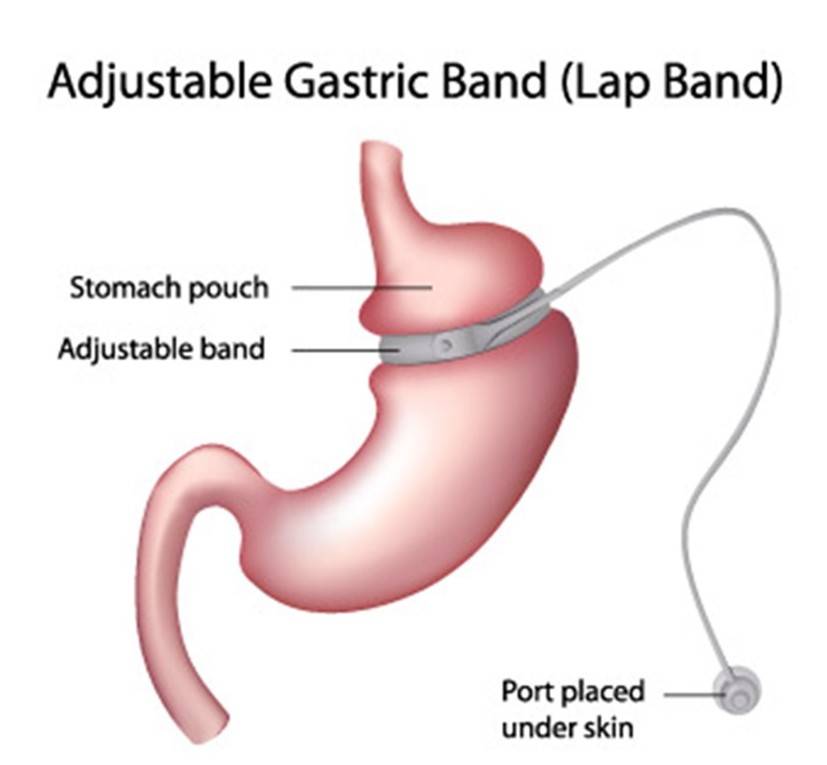
A band is placed around the upper stomach creating a small pouch and is adjustable by injecting saline via a port in your skin that can be accessed from your upper abdomen. This is the only surgery that is approved for a BMI of 30-35.
This is primarily a restrictive surgery (decreases caloric intake) and less likely to cause malabsorption of nutrients.
The surgery can be completed in <1 hour, can be done outpatient or as an overnight hospital stay, and you will likely have a full recovery within 2 weeks.
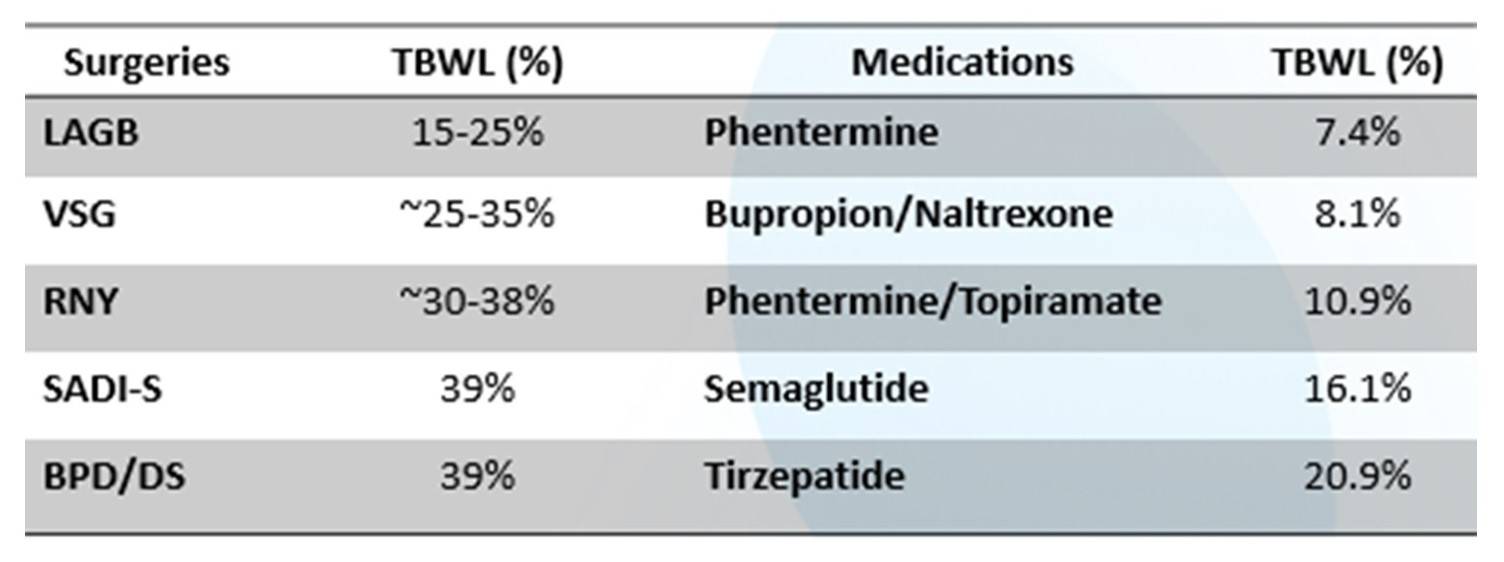
This is only offered at <1% of centers now due to the fact that 40% of people regain most of their weight and there is only about 30-50% of EBWL at 2 years (which is likely somewhere between 15-25% of TBWL, comparable to Semaglutide / Tirzepatide (see the article on weight loss medications)). Additionally, 25-40% of them are removed by 5 years (9).
- Chronic complications: Band too tight causing difficulty swallowing, band slippage/erosion/ulceration, port infection, esophageal dilation (GERD), rare nutrient deficiencies if persistent vomiting
Vertical sleeve gastrectomy (VSG)
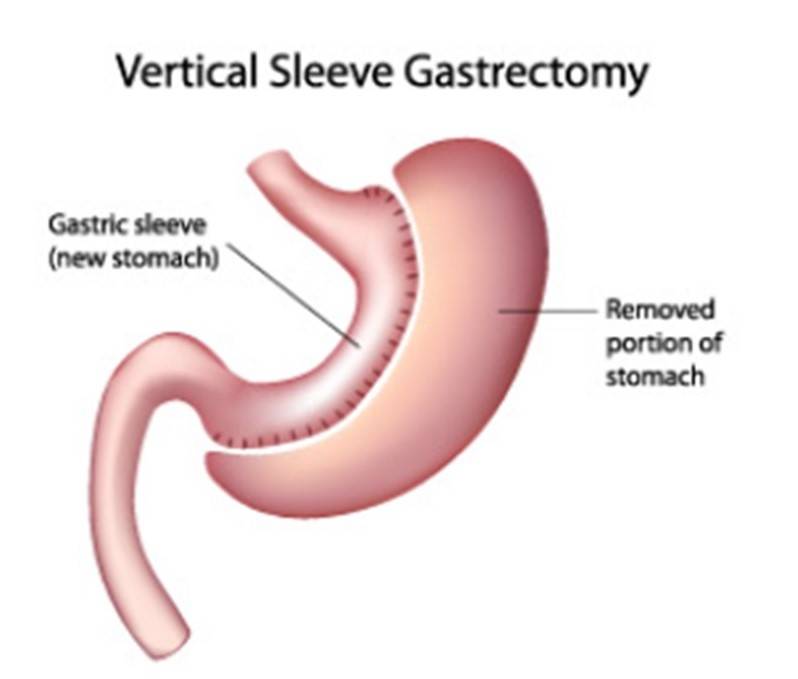
In this surgery, the stomach is reduced to about 20-25% of its original size – about the size and shape of a medium banana. Although this is primarily thought of as a restrictive surgery, you can have some issues with malabsorption of nutrients. If there is insufficient weight loss, then more malabsorptive surgeries can be done after this surgery (which we will discuss shortly).
The surgery can be completed in ~1 hour, usually requires 1-2 days in the hospital, and you will likely have a full recovery within 3 weeks.
There is typically 50-70% of EBWL by 3 years. There is considerable weight regain in up to 75% of individuals at 6 years (11).
- Chronic complications: Stenosis, ulcers, fistula, gallstones, kidney stones, vitamin/mineral deficiencies, sleeve dilation, and up to 30% of cases will need revision surgery (12)! Additionally, worsening or new GERD (40% of cases are new, 2-5% of cases can be so severe it requires gastric bypass surgery). Endoscopies are required to monitor for esophageal cancer.
Roux-en-Y gastric bypass (RNY)
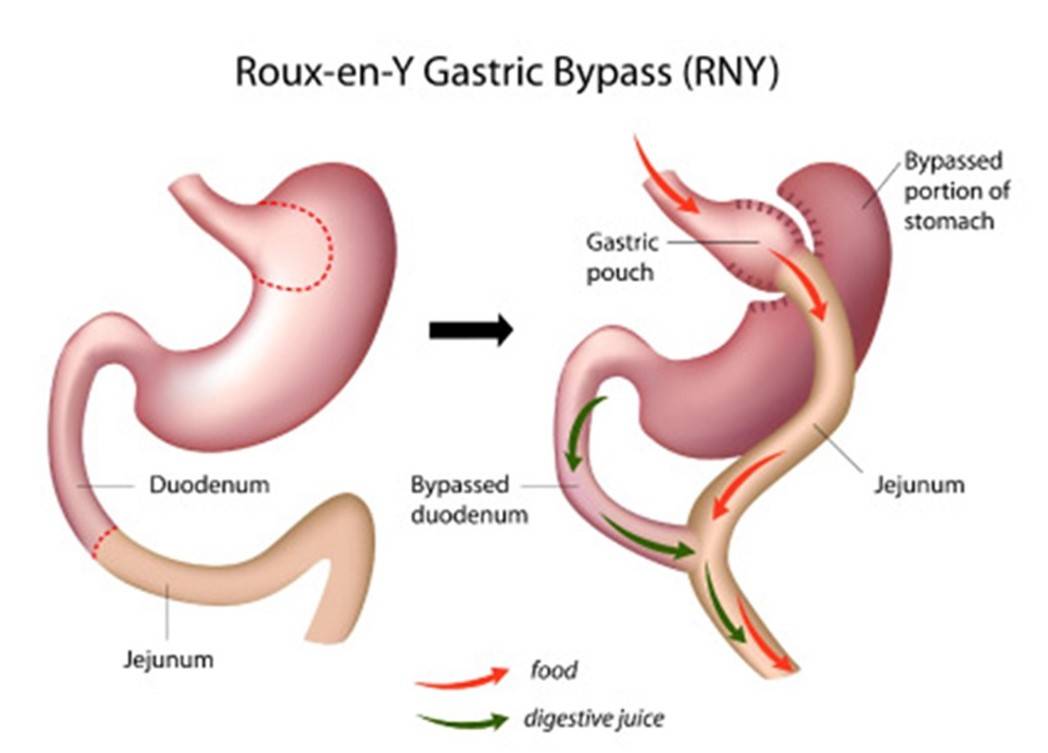
With RNY, the stomach is divided into a small pouch leaving a large portion of the stomach in the body that is not attached to the rest of your gut. The small pouch is then attached further down in your intestines, bypassing the top portion. Your new stomach can hold about a SINGLE ounce of food vs. 32 ounces prior to surgery!
The surgery can be completed in ~2 hours, usually requires 1-4 days in the hospital, and you will likely have a full recovery within 6 weeks.
There is typically 60-75% of EBWL by 2 years. In 10 years, 60-70% of individuals will maintain at least 50% EBWL. In the long run, about 20% will regain most of their weight and 15-17% will have insufficient weight loss.
- Chronic Complications: Hernias, obstruction, gallstones (up to 8% of people will need to have their gallbladder removed), bacterial overgrowth, kidney stones, vitamin/mineral deficiencies, gout flares, osteoporosis, and an astonishing 70-85% of patients will get Dumping Syndrome (treatment is avoiding high glycemic foods or a medicine that makes you not absorb carbohydrates)!
You will also need to avoid NSAIDs or smoking due to the risk of ulcers.
Dumping syndrome can feel terrible. It can cause diarrhea, flushing, low blood pressure, lightheadedness, rapid heart rate, and abdominal pain/cramping.
The micronutrient deficiencies can also be more severe with RNY and up to 50% of people will develop iron-deficiency anemia.
I saw a patient who had a history of RNY and had not been taking her bariatric multivitamins for years and she had severe anemia, vitamin B12 deficiency with a complication of numbness/tingling in her feet, vitamin A deficiency, palpitations (irregular heartbeat) and severe anxiety (potentially from many of the vitamin/mineral deficiencies).
Single anastomosis duodenal ileostomy with sleeve (SADI-S)
This procedure is also known as the loop duodenal switch.
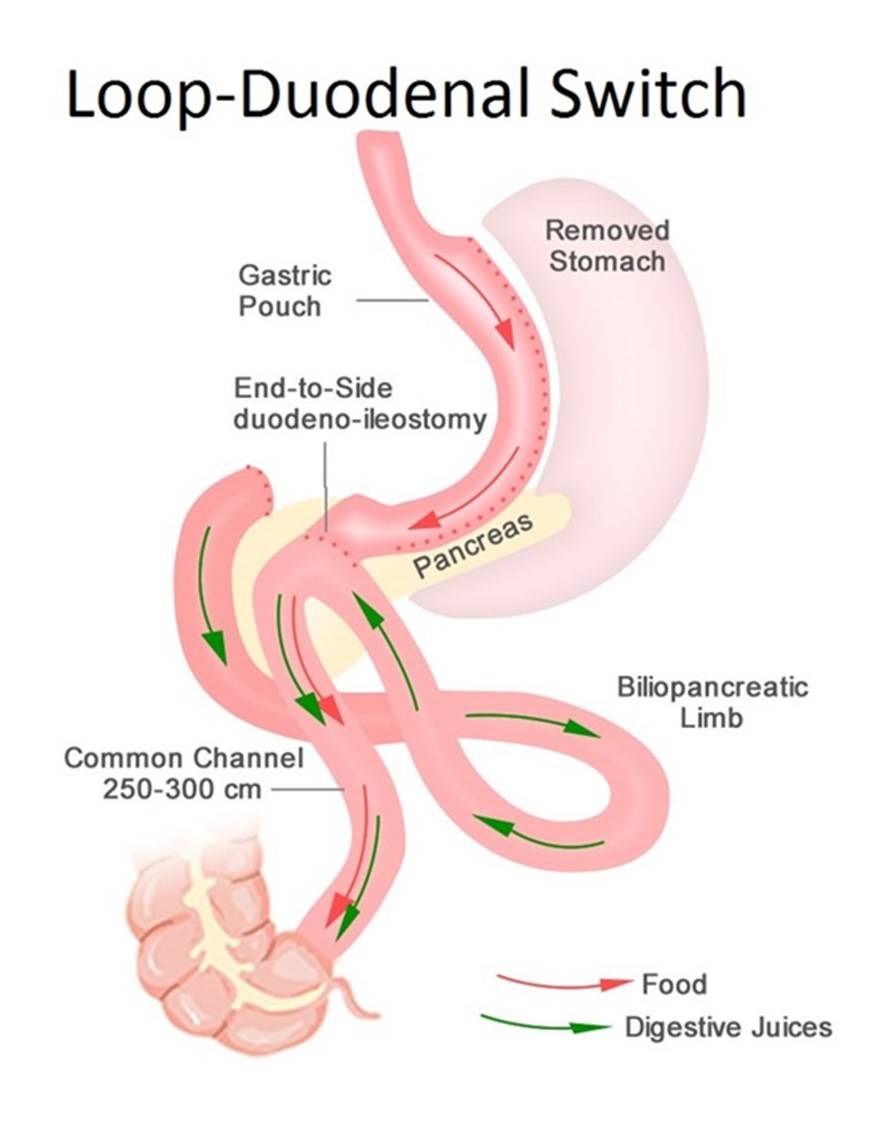
With the SADI-S, a sleeve gastrectomy is performed first, and then the stomach is redirected and connected to a lower portion of the small bowel, bypassing about 50% of the small intestine, leaving ~118 inches of small bowel to absorb nutrients. A normal small intestine is typically between 263 – 300 inches. As you can imagine, bypassing 50% of your small intestine can cause significant issues with fat malabsorption and vitamin/mineral deficiencies. Additionally, due to the fat malabsorption, patients can develop foul smelling stools and flatulence. Sadly, I have had a patient whose family would actually leave the house when he would use the bathroom because the smell was so bad.
This surgery usually takes 2-3 hours, requires 1-4 days in the hospital and you will likely have a full recovery within 6 weeks. You can expect 70-80% EBWL at 2 years.
- Chronic Complications: Ulcers, dumping syndrome, obstruction, hernias, gallstones, bacterial overgrowth, kidney stones, vitamin/mineral deficiencies, protein malnutrition, gout flares, osteoporosis
Biliopancreatic diversion with duodenal switch (BPD/DS)
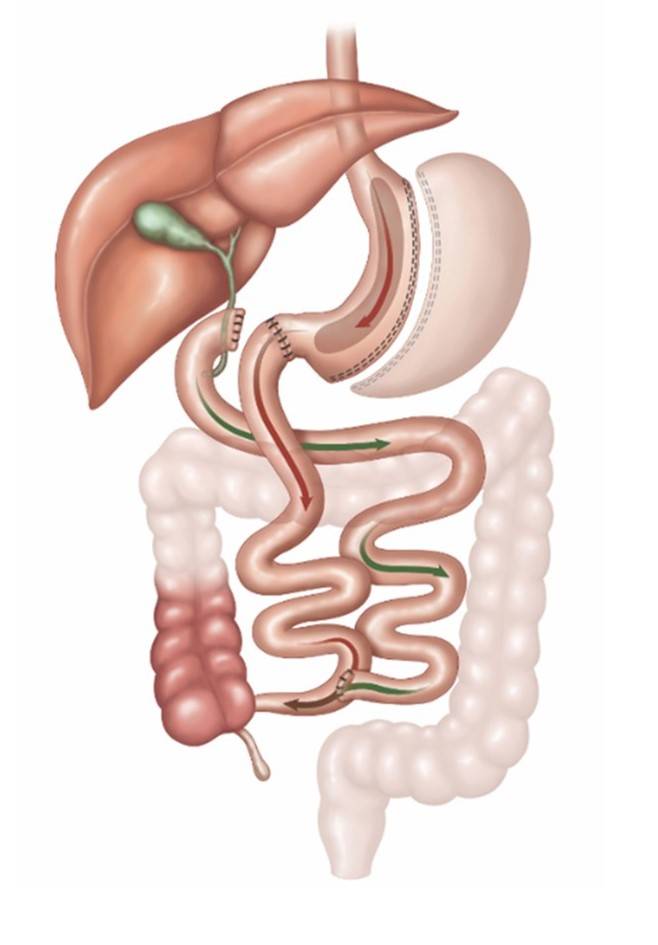
This surgery is the most extreme and has the most side effects, so only accounts for <1% of procedures. The stomach is cut into a small pouch and the rest of it is removed. Then the small intestine is divided into two parts. The end of the small intestine is attached to the small pouch so that food travels directly from the pouch into the last segment of the small intestine bypassing about 80% of it. The bypassed part is reconnected to the last few inches to help carry digestive enzymes. This leaves around 30-40 inches of small intestine to digest your food – causing SEVERE malabsorption. Again, compare this to the normal ~23 feet for someone prior to surgery.
This surgery usually takes 2-3 hours, requires 2-4 days in the hospital and you will likely have a full recovery within 6 weeks.
You can expect between 70-80% of EBWL at 2 years, and in studies even looking out at 10 years, EBWL is maintained around 80%. Only about 1.5% of individuals regain weight after 3 years.
- Chronic Complications: Ulcers, dumping syndrome, obstruction, hernias, gallstones, bacterial overgrowth, kidney stones, HIGHEST risk of vitamin/mineral deficiencies, protein malnutrition, gout flares, osteoporosis
Nutritional deficiencies and long-term care
Even prior to surgery, it is important to note that most people seeking weight loss surgery will have AT LEAST one vitamin or mineral deficiency – so there is an argument to screen most people for these (16). Unfortunately, data shows that the prevalence of micronutrient deficiencies is increasing, while the follow up for patients with bariatric surgery and monitoring for these deficiencies is DECREASING (16). When you see the potential side effects from micronutrient deficiencies below, you will understand why this is very bad.
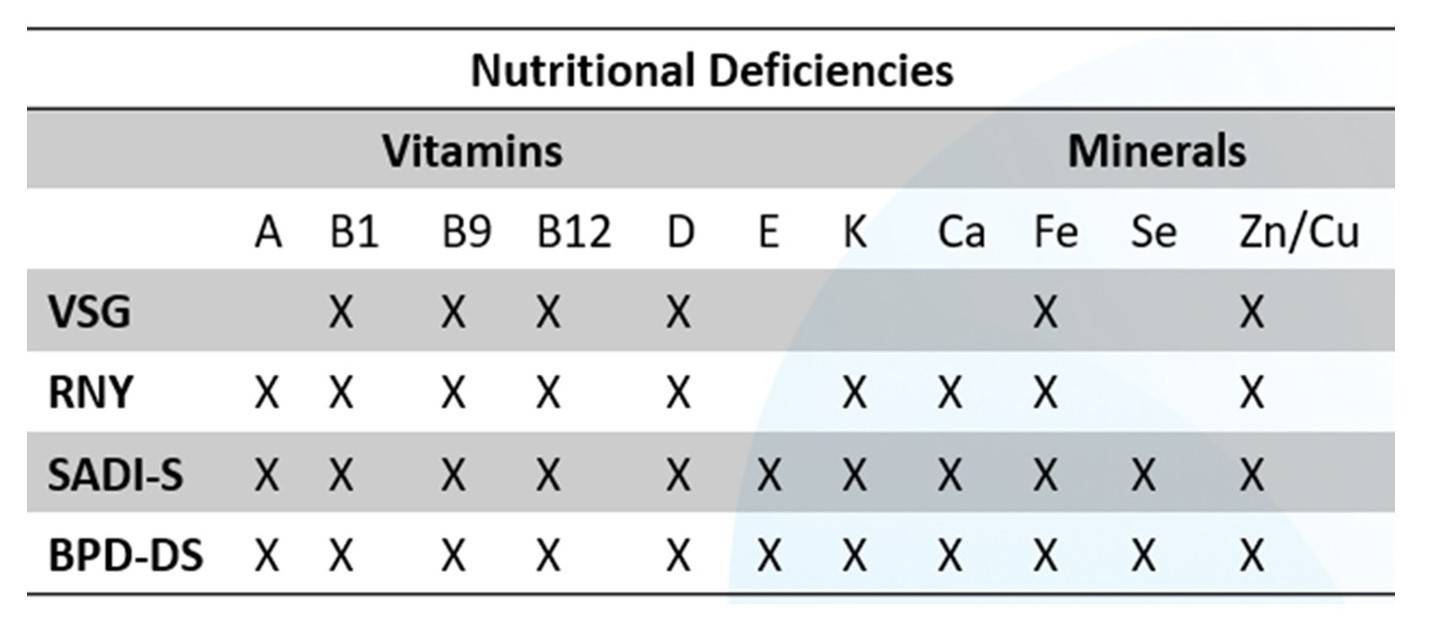
All of these side effects are reported from the American Society for Metabolic and Bariatric Surgery Integrated Health Nutritional Guidelines for the Surgical Weight Loss Patient (16).
Symptoms associated with specific deficiencies
Vitamin A: Loss of night vision, foamy white spots on the eye, poor wound healing, thickening of skin / dry skin, loss of taste, blindness (if severe)
Vitamin B1: nausea, vomiting, constipation, leg swelling, neuropathy, abnormal gait, convulsions, irregular heart beat, heart failure, short term memory loss, hallucinations, psychosis
Vitamin B9: Ulceration of skin, nails, or oral mucosa, anemia, birth defects
Vitamin B12: fatigue, anemia, diarrhea, “beefy red” tongue, ringing in your ears, light-headedness, palpitations, vertigo, neuropathy, demyelination of nerves in your spinal cord and brain leading to abnormal gait and irreversible damage, heart failure, altered mental status, dementia, psychosis
Vitamin D: Low calcium, leg cramping, tingling, metabolic bone disease and pain, muscle weakness (and likely much more based on newer research that is coming out)
Vitamin E: Gait abnormalities, neurologic damage, muscle weakness, nystagmus (irregular eye movements), loss of night vision
Vitamin K: Easy bruising, bleeding gums, heavy menstrual or nose bleeding, osteoporosis, hemorrhage
Calcium: Leg cramping / twitching, muscle weakness, osteoporosis, bone pain
Iron: fatigue, impaired learning ability, anemia (late finding), decreased immune function, difficulty swallowing, spoon-shaped nails, vertical ridges on nails, palpitations
Selenium: Fatigue, hypothyroidism
Zinc: Ulcers, dry skin, rashes, acne, change or even loss of taste, hair loss, poor wound healing and increased risk of infections, infertility, growth retardation, delayed sexual maturation / hypogonadism, diarrhea, loss of night vision, anemia
Copper: Anemia, low WBC count and platelets, loss of color of hair, skin, nails, elevated cholesterol, impaired bone metabolism, gait abnormalities, neuropathy
Supplementation and follow-up
You can avoid these terrible outcomes with proper supplementation, but it needs to be LIFELONG! I have had patients who, unfortunately, require blood transfusions due to the severe anemia and hospitalization from vitamin deficiencies that were not taking these supplements prior to seeing me.
You will need a bariatric multivitamin (or at minimum doubling up on a daily multivitamin). Oftentimes, you will need a separate specific high dose supplement to prevent deficiencies.
You need to have yearly bone density scans and labs several times per year to monitor for these deficiencies initially (and then at minimum annually). Over the course of 30 years, this vitamin/mineral supplementation could cost $18,000 or more (assumes $50/mo). Further, this figure does not account for the additional cost required to treat nutritional deficiencies, which are likely to develop and require yet more supplements (1).
If you have had bariatric surgery and want to make sure your supplements are adequate, check out Table 3 in this article: https://linkinghub.elsevier.com/retrieve/pii/S1550728916308826.
Remission rates and other outcomes
Given all of the known bad side effects, it is important to acknowledge some of the good that can come from bariatric surgeries. Here is a chart from a meta-analysis reviewing over 160,000 patients with an average BMI of 45 and age of 44 that shows some impressive results on the rate of remission of certain medical conditions (17).
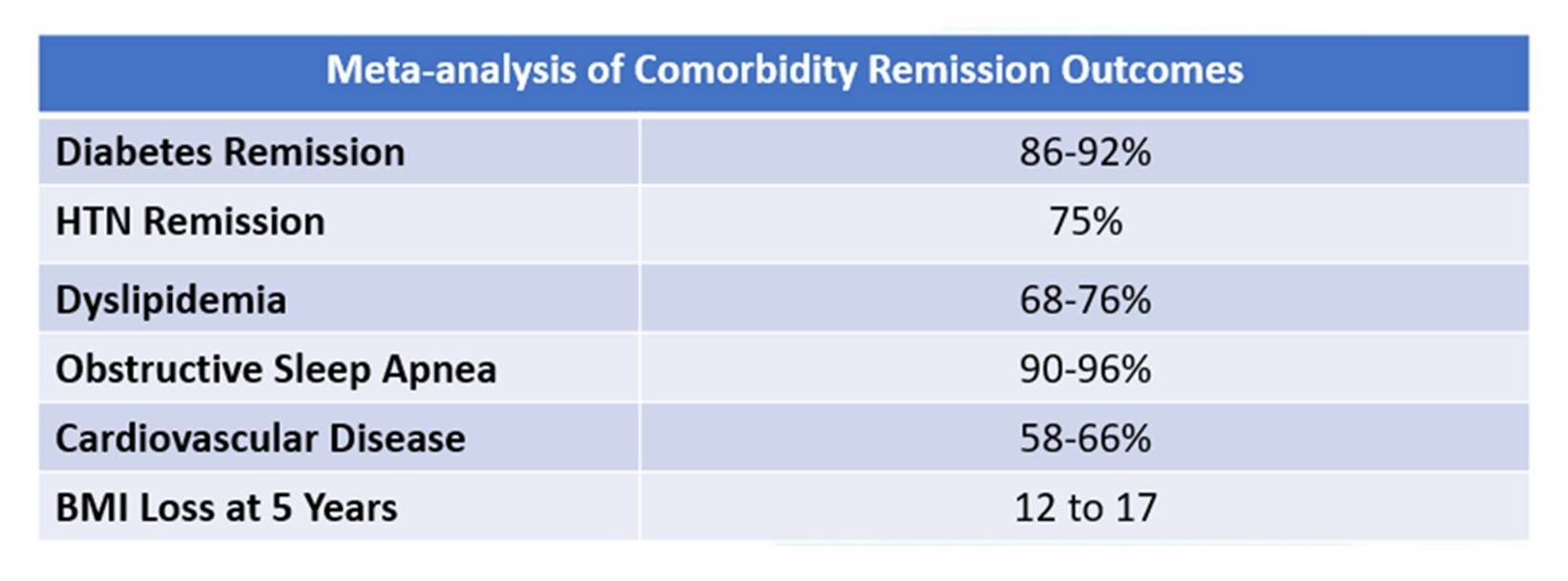
They also analyzed the rates of re-operation, complications, and mortality at 30 days (17).
Comparing surgical weight loss with medications
Putting the decision in context
Surgery is a life altering decision that cannot be undone (besides the LAGB). It is not an easy way out, nor is it a way to avoid the necessary lifestyle changes for sustainable improvements in metabolic health and weight loss. It should only be considered after trying (and not succeeding) at a medical weight loss program under the guidance of a trained practitioner. I am biased, but I also think it would be worth trialing a ketogenic lifestyle while working with a team that can empower you to make that a sustainable lifestyle before considering the above surgeries and complications that go along with them.
References
- https://www.stjoes.ca/patients-visitors/patient-education/a-e/PD%206974%20(2012-07)Planning%20for%20Gastric%20ByPass%20Budgeting%20Printing%20Department.pdf
- https://www.nejm.org/doi/full/10.1056/NEJMoa2002449
- https://pubmed.ncbi.nlm.nih.gov/30343409/
- https://www.ncbi.nlm.nih.gov/pmc/articles/PMC4430439/
- https://www.ncbi.nlm.nih.gov/pmc/articles/PMC4789154/
- https://journals.lww.com/aosopen/Fulltext/2022/09000/ChangesinMaritalStatusFollowingRouxenY.8.aspx
- How Your Gastrointestinal Tract Works – MU Health Care
- https://hospital.uillinois.edu/primary-and-specialty-care/surgical-services/bariatric-surgery-program/our-services/laparoscopic-adjustable-band
- https://link.springer.com/article/10.1007/s11695-010-0341-6
- https://hospital.uillinois.edu/primary-and-specialty-care/surgical-services/bariatric-surgery-program/our-services/sleeve-gastrectomy
- https://pubmed.ncbi.nlm.nih.gov/27048439/
- http://bomss.org/wp-content/uploads/2021/07/Paper-2-1.pdf
- https://hospital.uillinois.edu/primary-and-specialty-care/surgical-services/bariatric-surgery-program/our-services/roux-en-y-gastric-bypass-rygb
- https://weightlossoperation.com.au/weight-loss/loop-duodenal-switch-sadi-s-sips/
- https://www.jnjmedtech.com/en-US/treatment/weight-loss-surgery/biliopancreatic-diversion-duodenal-switch
- https://linkinghub.elsevier.com/retrieve/pii/S1550728916308826
- https://jamanetwork.com/journals/jamasurgery/fullarticle/1790378