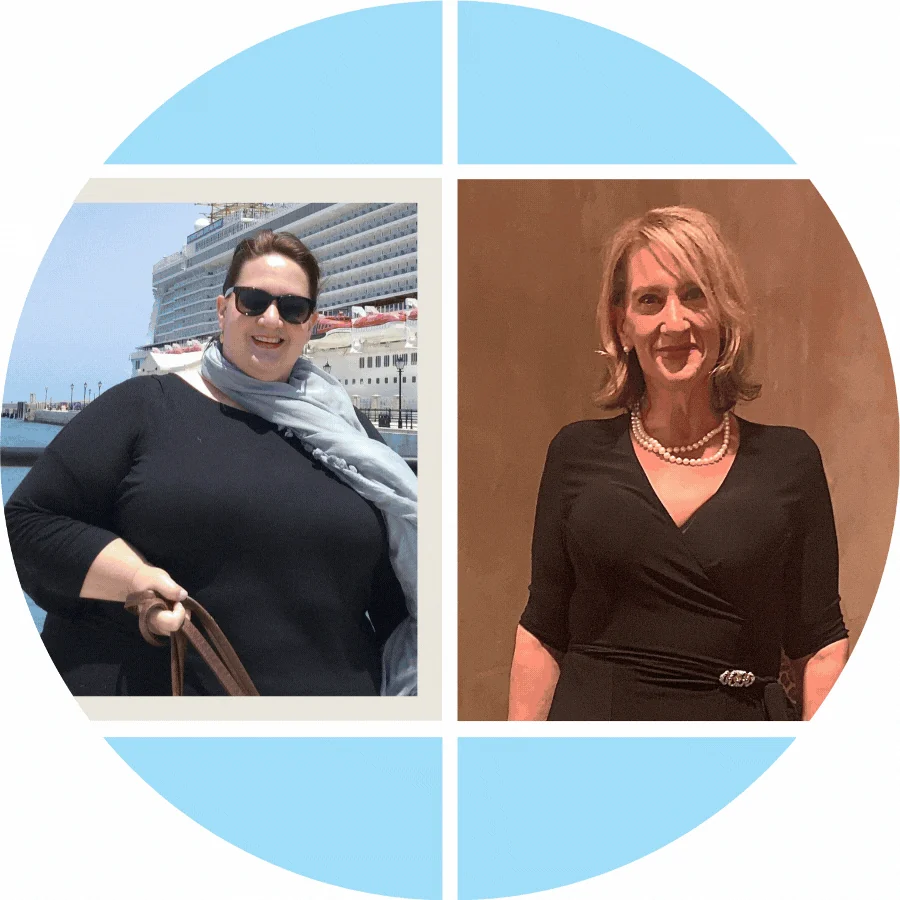

Yes, I can be outlandish. Abrasive. Condescending, even, when someone with influence speaks confidently about obesity and nutrition and I believe they don’t understand what they’re talking about. I have crossed the line on tone. I need to own that.
And yes, sometimes I’m a deeply insecure person. Some of my reaction comes from that. Some comes from trauma. I’m not pretending otherwise.
But I also know what it is to live at 350 pounds. I know what it feels like to be told to eat less and move more as though I had never thought of either. I watched my brother gain 200 pounds and suffer a stroke. When I see someone wave away questions about diet as internet noise, I don’t hear an abstract debate. I think about my brother. I think about the life I lived. I think about the patient who is still blaming herself for a problem that deserves better treatment than blame.
For decades, families like mine heard that sugar was fine in moderation and that there was nothing worth questioning about the oils and processed foods filling our kitchens. I question those assumptions. Patients deserve to know which claims have evidence, which remain contested, and what happens when they change the food they eat. They deserve a clinician willing to take their hunger, cravings, glucose readings, and lived experience seriously.
That is why I have argued with professional groups and colleagues in public. I pushed back when fasting was treated as inherently disordered. I challenged diabetes advice that made carbohydrate reduction sound unreasonable, even while patients showed me their glucose could improve when they changed what they ate. I pressed the ADA and CDC to give people with diabetes a genuine choice of eating patterns and practical medication guidance when carbohydrates fall. The ADA’s own 2019 consensus report recognized carbohydrate reduction as an option with strong evidence for improving glycemia. That mattered, but it did not end the argument in exam rooms or on social media.
I fought the National Lipid Association’s statement when it called very low carbohydrate ketogenic diets contraindicated in severe hypertriglyceridemia. Yes, the statement acknowledged that these diets can lower triglycerides. That made the blanket prohibition even harder for me to accept. I later coauthored a case series describing two patients whose severe hypertriglyceridemia reversed with a very low carbohydrate ketogenic diet and intermittent fasting. Two cases do not settle the treatment of every patient, but they are precisely why I refused to accept an absolute rule that ruled the approach out. I also fought cardiologists who saw an LDL elevation during a ketogenic diet and called it familial hypercholesterolemia without first doing the work to determine what was happening in that patient.
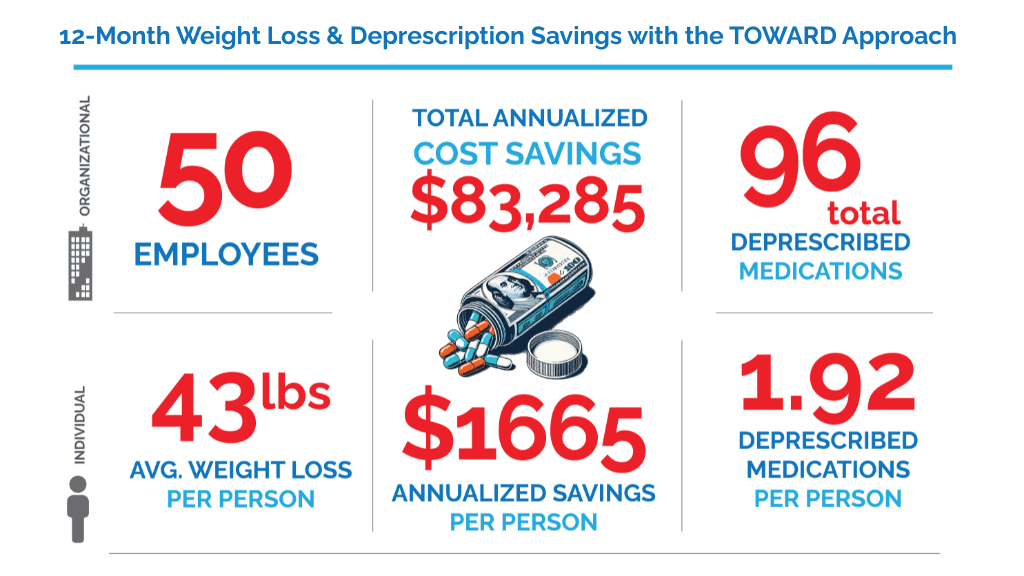
I fought the claim that dietary care cannot work beyond a few months while our team was following patients for a full year. In our published TOWARD cohort, 50 employees who entered a comprehensive metabolic program had an average 15.5% weight loss at 12 months in the intention-to-treat analysis, while the team deprescribed 96 medications and started eight. It was a real-world program, not a randomized trial. It is also real patients and real follow-up. Read more about our clinical approach to low-carb nutrition.
And despite how much people love GLP-1 drugs, I prescribe them when appropriate. I have used them for more than a decade. I also speak honestly about concerns I have seen in practice and the questions we still need to study. Patients deserve access to useful treatment and a doctor willing to discuss its limits. Our work on binge eating, stress eating, and food addiction comes from that same commitment to looking beyond a prescription.
The pediatric debate made this especially personal. When the AAP’s report laid out repeated blood draws, more than 15 laboratory tests and bone-density imaging for children following very low carbohydrate or ketogenic eating, I wrote to the editor. My colleagues and I published a fuller response asking why the AAP was carrying concerns from the restrictive ketogenic diet used for epilepsy into a discussion about treating metabolic disease by reducing carbohydrates. Children with diabetes need thoughtful care and safe medication adjustments. That does not give anyone a free pass to impose an excessive testing burden on families. I also questioned the authors’ pharmaceutical financial ties and whether they had been adequately disclosed. They had not. Read our fuller discussion of the AAP report.
We are also working on diabetes-remission and AHA PREVENT analyses. I want our results in front of the field, where people can read the methods, challenge the conclusions, and build better studies. Arguing alone is not enough.
So yes, I need to own it when my tone crosses the line. Insecurity is part of the story. Trauma is part of the story. But so are justice and defiance. I watched the consequences up close, then spent my career trying to change what patients are told. When I get angry, it is deeply personal every single time.