
Our skin and our gut are how our bodies connect with the world. They absorb sunlight and nutrients. But they also absorb toxins, heavy metals, plastics, parasites, and chemicals.
So why are we putting harmful substances on our skin or into our mouths that might damage this essential connection?
Personal care products like shampoo, lotion, makeup, and deodorant often contain dozens of chemicals. Many of these are not well regulated. The skin and the gut take in more than we realize. Additives, microplastics, heavy metals, and other poorly regulated chemicals are hiding in everyday items, including food. Some of these are linked to hormone disruption, allergies, and even cancer.
In my work in metabolic and whole-body health, I often tell patients:
“If you wouldn’t trust it inside your body, think twice before putting it on your skin or in your mouth.”
Take a Closer Look
Start paying attention to what you put into and onto your body.
Are the foods you’re eating filled with additives? What about the products you use every day like lotion, sunscreen, toothpaste, or detergent? How safe are they? Have you really looked?
Most food, cosmetic, and household products aren’t closely regulated. Additives, chemicals, microplastics, and heavy metals often go unnoticed. It’s up to you to be informed and cautious.
Read labels. Look up ingredients. Don’t assume something is safe just because it’s on a shelf.
A Personal Shift
Years ago, I started replacing my everyday products with cleaner options. I didn’t expect much, but over time I noticed small changes that made a real difference.
- Fewer breakouts
- Clearer skin
- Less irritation
- More consistent energy
It wasn’t just about what I ate. It was the lotion. The toothpaste. The detergent. The deodorant. Each small change added up.
That’s how real health shifts happen. One small step at a time, protecting your skin and gut every day.
What to Look For
Choose products that have:
- Minimal ingredients (5 or fewer when possible)
- No synthetic fragrance
- No parabens, phthalates, PEGs, or sulfates (SLS)
No brand partnerships here. No affiliate links. Just real guidance and no conflicts of interest.
Clean Swap Suggestions
Cosmetics and Skincare
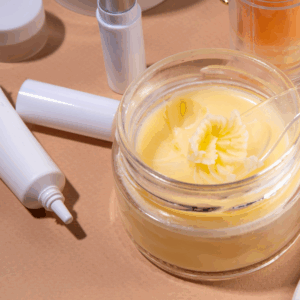
- Moisturizers: 100% shea butter, coconut oil, or tallow balm
- Sunscreen: Mineral-based with zinc oxide or titanium dioxide (avoid chemical filters)
- Deodorant: Unscented or baking soda-based without aluminum or synthetic fragrance
- Lip balm: Made with organic beeswax or coconut oil
- Soap: Unscented Castile soap (like Dr. Bronner’s)
Dental
Cleaning and Household
- Laundry: Unscented options like Seventh Generation Free & Clear, Branch Basics, or Soap nuts
- Dish soap: Castile-based or simple, fragrance-free formulas
- Multi-surface cleaner: Vinegar with water and a few drops of essential oil (if tolerated), or a plain, unscented plant-based cleaner
You don’t need to change everything overnight. Pick one product and make a cleaner choice. Then pick another.
Small changes add up. And they can have a big impact over time.
Your body is paying attention. Start treating it like it matters—because it does.
Want more resources to support your health journey?
From food guidance to mindset support and metabolic health education, the free Toward Health app is filled with tools to help you take the next step. One small change at a time.
Download the Toward Health app today and start exploring what’s possible for you.