
Medically reviewed by Dr. Tro Kalayjian and Dr. Laura Buchanan.
Athletes are often told that carbohydrates are mandatory for performance. The evidence does not support a single carbohydrate prescription for every athlete, sport or training phase.
Studies in elite gymnasts, strength athletes, endurance athletes, triathletes, CrossFit participants and athletes performing high-intensity intervals show that a low-carbohydrate or ketogenic diet can preserve performance while improving body composition. Some trials also report gains in selected performance measures and marked increases in fat oxidation. The adaptation period matters: athletes may need four weeks or longer before fuel use and performance stabilize on a distinctly different diet.
This does not mean that every athlete must avoid carbohydrate. It means that a high-carbohydrate diet is not universally required. A well-formulated low-carbohydrate approach can support performance and metabolic health, while strategically timed carbohydrate can remain a useful tool for selected high-intensity or prolonged efforts.

Historical discussion: Wendi Irlbeck post.
Gymnasts
In 2012, Paoli and colleagues enrolled eight elite artistic gymnasts in a 30-day ketogenic-diet intervention and compared their performance and body composition before and after the diet.[1]
Study methods and additional results
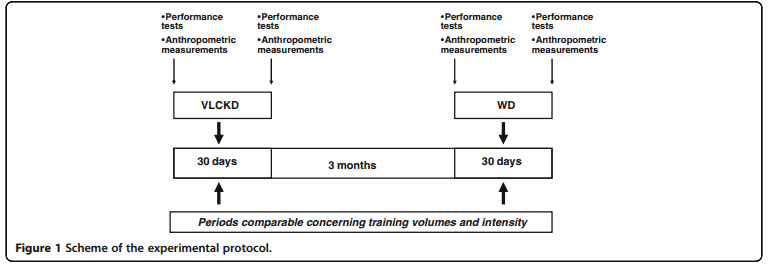
The athletes consumed very little carbohydrate during the intervention.
Study methods and additional results
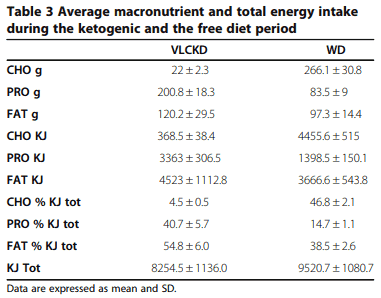
Strength and power performance did not significantly decrease.
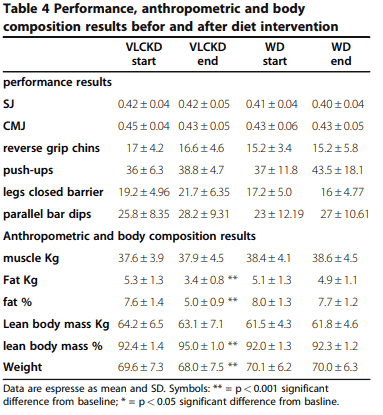
The athletes also lost approximately five pounds of fat while maintaining muscle mass.
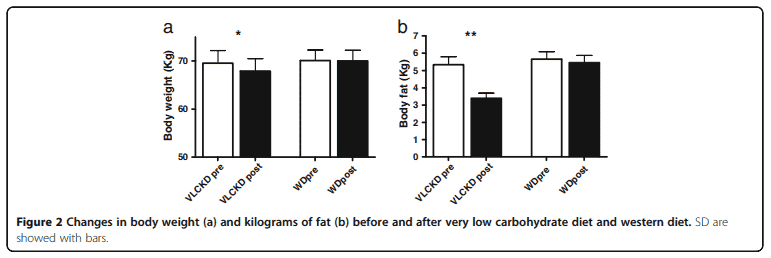
Takeaway: Elite gymnasts maintained strength performance on a ketogenic diet while improving body composition.
Powerlifting and Olympic weightlifting
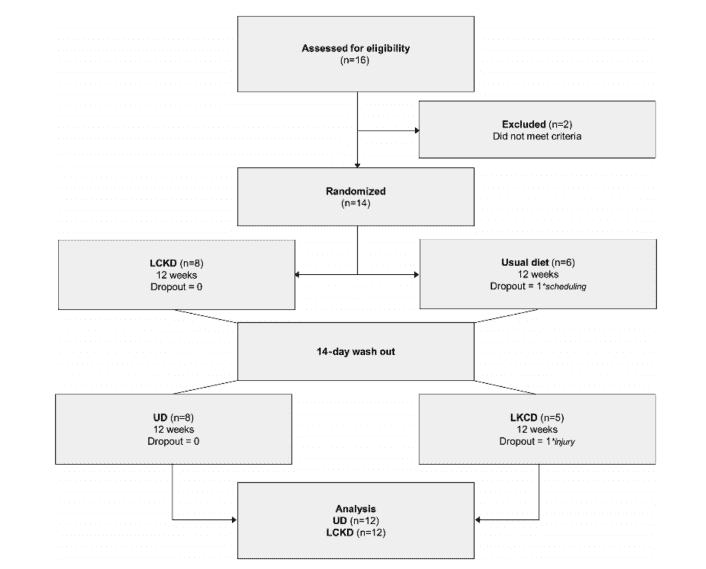
Greene and colleagues studied powerlifters and Olympic weightlifters in a randomized, three-month crossover trial. Participants followed either a ketogenic diet or their usual diet.[2]
Study methods and additional results
Study methods and additional results
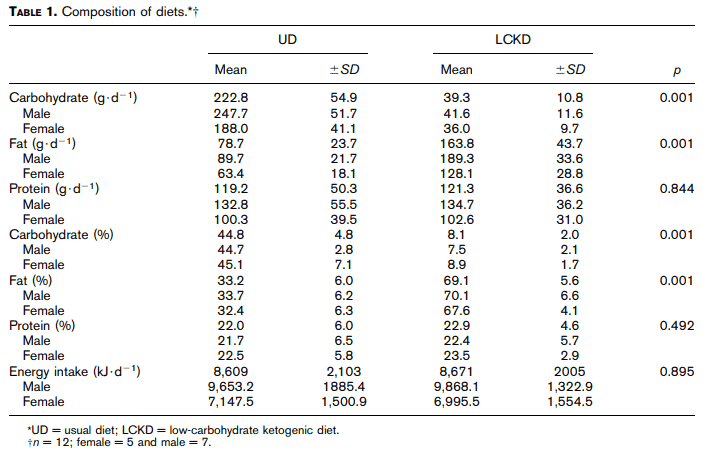
Training volume and load were maintained.
Study methods and additional results
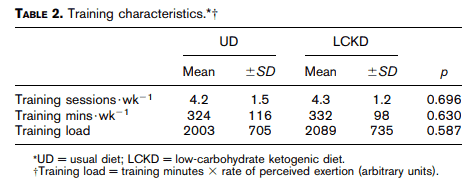
Body mass and lean mass decreased, but one-repetition-maximum performance did not significantly change.
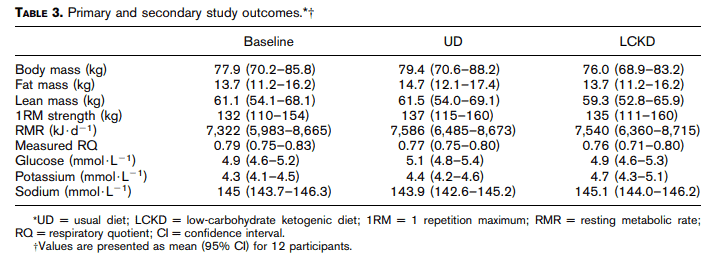
Study methods and additional results
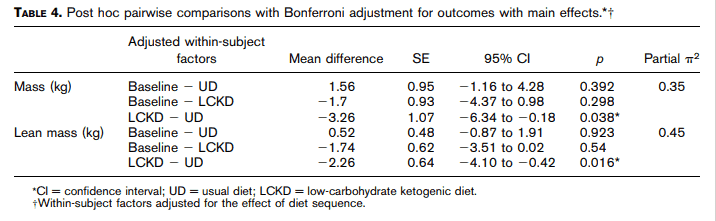
The result was a higher power-to-weight ratio without an overall loss of measured strength performance.
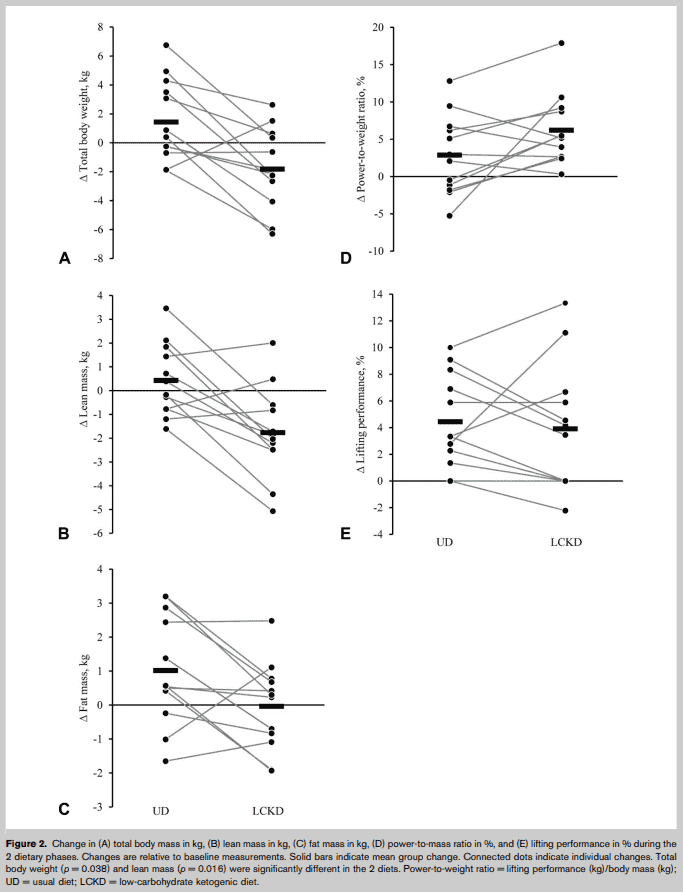
Takeaway: A ketogenic diet reduced body mass without compromising measured powerlifting and Olympic-weightlifting performance.
A randomized trial in 25 resistance-trained men later found that strength and power increased to a similar extent in ketogenic and Western-diet groups during a resistance-training protocol. The ketogenic group reintroduced carbohydrate during the final week; both groups lost fat.[12] A 2024 repeated-measures trial also found that trained participants maintained resistance-training workload and movement velocity during six weeks of a ketogenic diet.[17]
Endurance athletes
McSwiney and colleagues followed 20 trained endurance athletes who self-selected either a low-carbohydrate ketogenic diet or their habitual high-carbohydrate diet for 12 weeks. The researchers measured body composition, a 100-kilometer time trial, a six-second sprint and critical power.[3]
Study methods and additional results
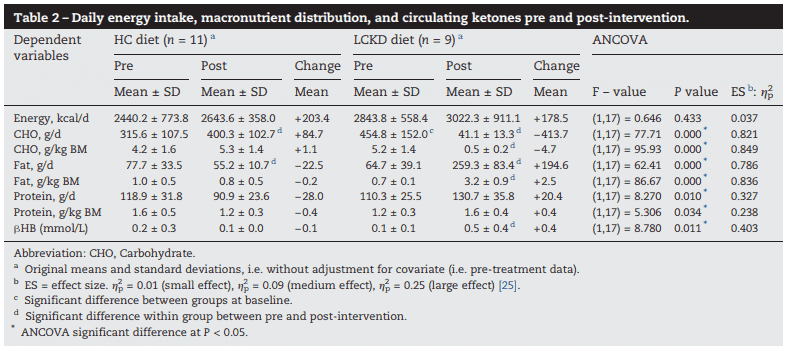
The ketogenic group had favorable changes in body composition and improvements in peak power during the six-second sprint and critical-power test.
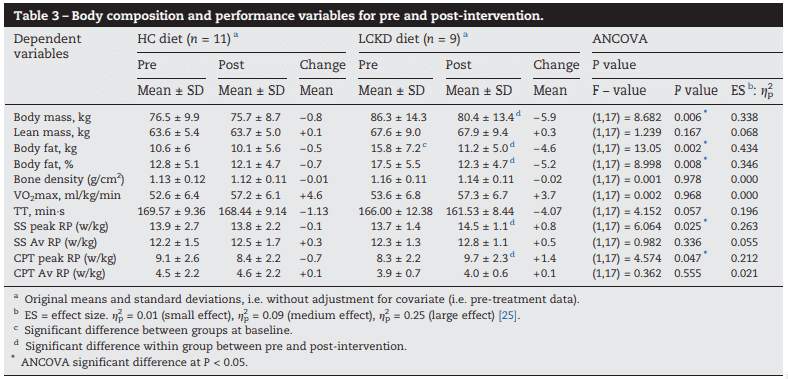
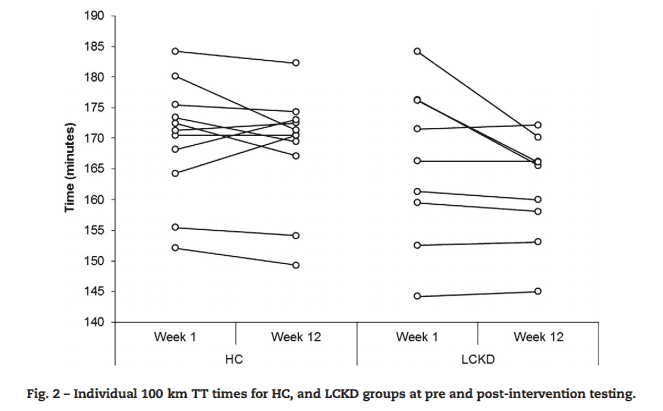
The improvement in the 100-kilometer time trial was notable but did not reach conventional statistical significance at p=0.057.
Takeaway: Keto-adapted endurance athletes improved body composition and selected performance measures without a significant loss in the 100-kilometer time trial.
Long-term adaptation changes how endurance athletes use fuel. Volek and colleagues compared 10 highly trained ultra-endurance athletes who had followed a low-carbohydrate diet for an average of 20 months with 10 high-carbohydrate athletes. Peak fat oxidation was 2.3 times higher in the low-carbohydrate group, while muscle-glycogen use during a three-hour run and glycogen restoration during recovery were similar between groups.[13]
Triathletes
In a small randomized pilot presented at the 2018 American College of Sports Medicine meeting, 16 experienced triathletes followed either a ketogenic diet or a typical Western diet for five weeks.[4]
The ketogenic group decreased fat mass without losing lean mass. Oxygen consumption at 45% of peak power output improved, while maximal oxygen consumption and peak power output did not significantly change.
Takeaway: The ketogenic diet improved body composition and submaximal exercise efficiency without reducing maximal aerobic capacity or peak power.
CrossFit athletes
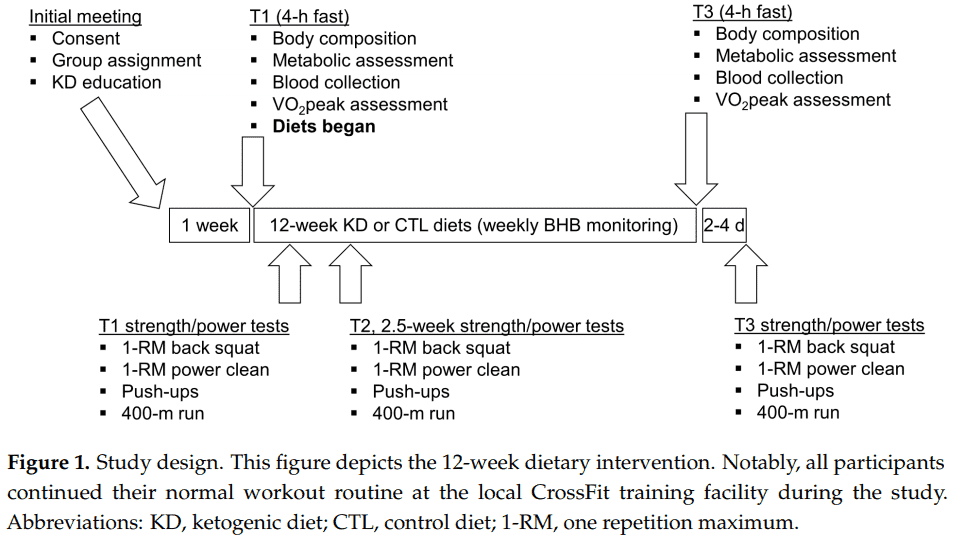
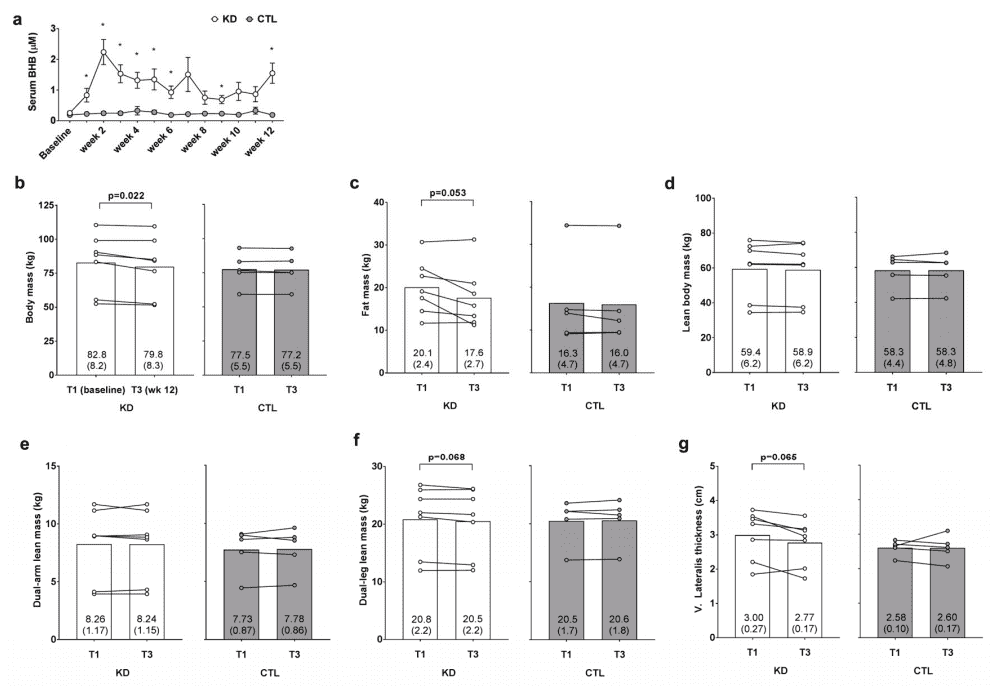
Kephart and colleagues studied recreationally trained CrossFit participants assigned to a ketogenic diet or control diet. Body composition and performance were assessed at baseline, 2.5 weeks and 12 weeks.[5]
Study methods and additional results
Study methods and additional results
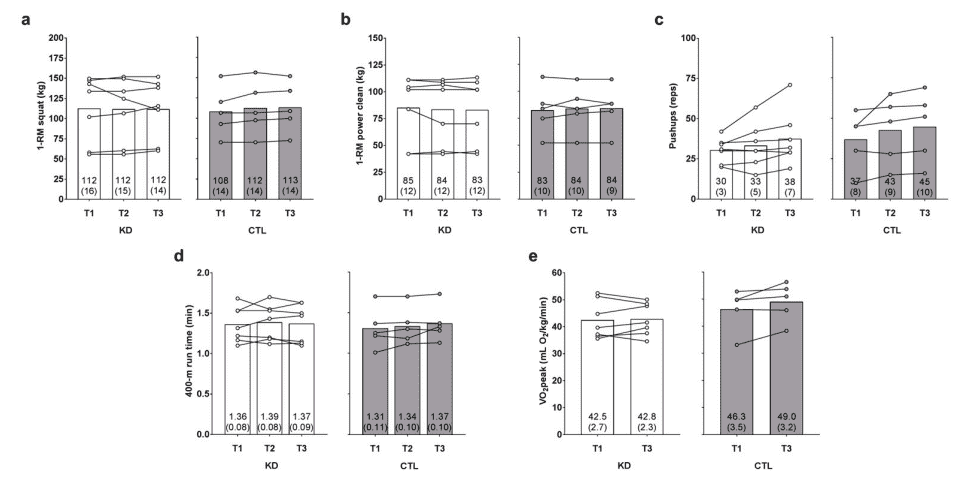
After 12 weeks, the ketogenic-diet group lost fat mass without compromising the measured weightlifting, running or aerobic-performance outcomes.
Takeaway: The ketogenic intervention improved body composition while preserving CrossFit performance.
High-intensity interval training
Cipryan and colleagues assigned 18 moderately trained men to a very-low-carbohydrate ketogenic diet or their usual diet for four weeks. The investigators measured body composition, fuel use and exercise performance at baseline, two weeks and four weeks.[6]
Study methods and additional results
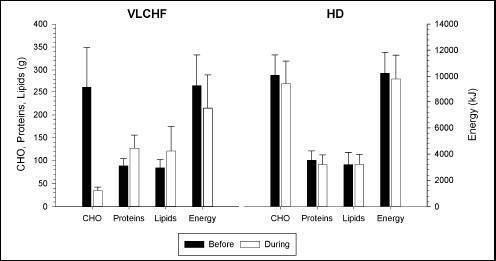
Study methods and additional results
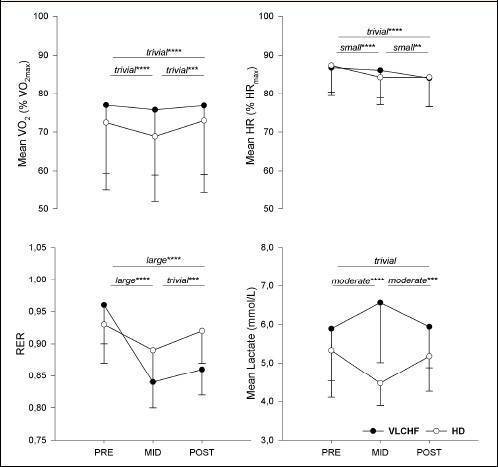
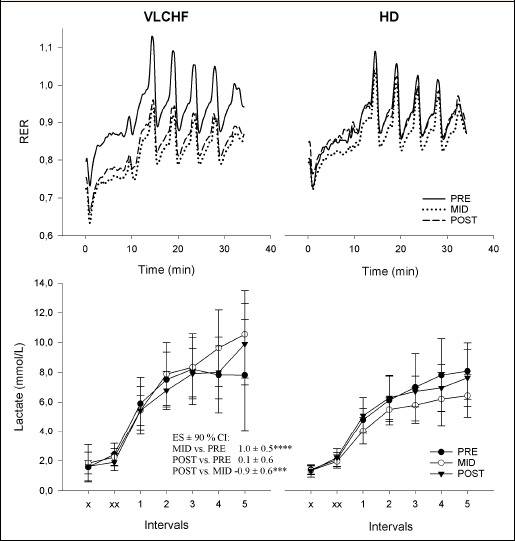
The ketogenic group increased its ability to use fat without an adverse effect on total time to exhaustion or the graded exercise tests.
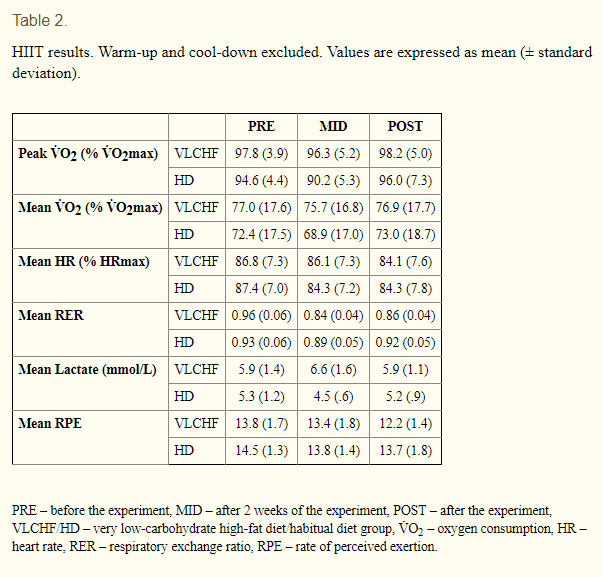
Study methods and additional results
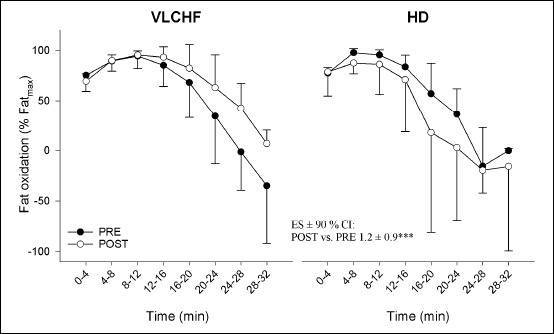
Fat oxidation continued to increase through the end of the four-week intervention. This reinforces an important point when interpreting low-carbohydrate sports studies: several weeks may be needed to adapt to a distinctly different habitual diet.
In a separate six-week study presented at the 2018 ACSM meeting, Miele and colleagues randomized 15 recreational athletes to a ketogenic diet or unchanged control diet. The tested outcomes included a 500-meter row, Wingate anaerobic test, three-repetition-maximum deadlift and peak oxygen consumption.[7] The ketogenic diet did not reduce short-duration, high-intensity performance.
Dostal and colleagues extended the adaptation period to 12 weeks in 24 recreationally trained participants. Time to exhaustion improved in both the very-low-carbohydrate and habitual-diet groups, and the very-low-carbohydrate diet did not impair continuous or intermittent high-intensity exercise lasting up to 25 minutes.[14] This is the study associated with the DOI supplied in the Disciple article, which is now cited separately and correctly.
Takeaway: Across these two studies, high-intensity performance was preserved while fat utilization increased.
Road cycling
The Disciple version added a randomized controlled trial by Sitko and colleagues in 26 trained male road cyclists. After eight weeks, the low-carbohydrate group had greater reductions in body weight and body-fat percentage and a greater improvement in 20-minute relative power than the conventional-diet group. Improvement in absolute power was comparable between groups.[8]
Takeaway: This study adds controlled evidence that a low-carbohydrate approach can improve relative cycling power while supporting favorable body-composition changes.
What newer athlete studies add
A 2023 randomized crossover trial placed 10 highly trained middle-aged male athletes on isocaloric low-carbohydrate and high-carbohydrate diets for 31 days each while controlling calories and training load. One-mile time-trial and repeated-sprint performance were equivalent. The low-carbohydrate phase produced much higher peak fat oxidation and lower mean glucose and glucose variability on continuous monitoring.[16]
A 2026 systematic review and meta-analysis of 33 aerobic-focused studies in trained athletes found that all 30 studies measuring fat oxidation reported increases. Time-to-exhaustion performance was maintained in 69.2% of the studies reporting that outcome, and performance impairment was concentrated in interventions lasting seven days or less. The authors' duration analysis supports treating early transition studies differently from trials that allow meaningful adaptation.[21]
Taken with the earlier gymnastics, strength, endurance, CrossFit, interval and cycling studies, these data support three practical conclusions:
- Strength and many endurance outcomes can be maintained on a well-formulated low-carbohydrate or ketogenic diet.
- Fat oxidation and body composition often improve even when the measured performance outcome is unchanged.
- Meaningful adaptation takes time; results from only a few days of carbohydrate restriction should not be treated as a test of long-term low-carbohydrate performance.
Where strategic carbohydrate can help
Sport and event demands still matter. In a controlled 25-day study of elite race walkers, the ketogenic group markedly increased fat oxidation but had a higher oxygen cost at race pace and slower 10-kilometer performance. The high-carbohydrate group improved its race time.[15] This identifies sustained elite race walking at high intensity as a specific scenario in which greater carbohydrate availability supported the tested performance outcome.
More recent trials show that an athlete can remain low-carbohydrate adapted and still use carbohydrate strategically. In a 2025 randomized crossover trial, trained triathletes had similar time-to-exhaustion performance after six weeks of very-low-carbohydrate and high-carbohydrate diets. Just 10 grams of carbohydrate per hour prevented exercise-induced hypoglycemia and improved time to exhaustion by 22% in both conditions; metabolic measures normalized after approximately four weeks of low-carbohydrate adaptation.[18]
In another 2025 crossover trial, 13 athletes who had followed a ketogenic diet for an average of 25 months completed a 16.1-kilometer time trial under four fueling conditions. A 60-gram carbohydrate drink immediately before exercise improved performance, while consuming additional carbohydrate over the preceding two days did not.[19]
These findings do not establish a need for high daily carbohydrate intake. They show that habitual diet and event fueling are separate decisions. Some low-carbohydrate athletes may benefit from a small or targeted carbohydrate dose around demanding competition while retaining their usual dietary pattern.
Metabolic health still matters in athletes
Being lean and physically active does not guarantee normal glucose regulation.
Thomas and colleagues used continuous glucose monitors for six days in 10 sub-elite athletes whose diets were predominantly carbohydrate and included substantial added sugar.[9]
Study methods and additional results
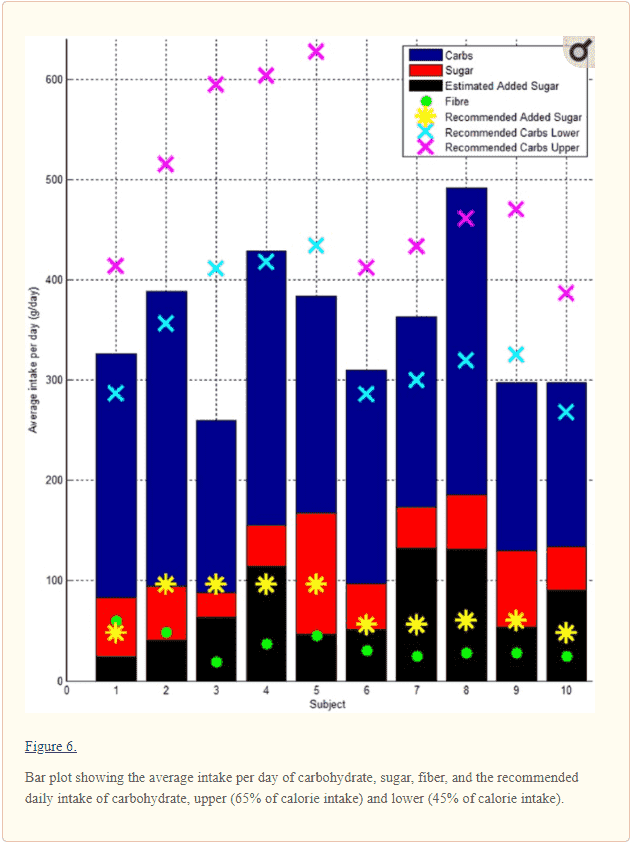
The athletes were lean, with an average body-mass index of 22. Three of the 10 had fasting glucose in the prediabetes range, and four spent more than 70% of monitored time above 110 mg/dL even after the two-hour period following meals was excluded.
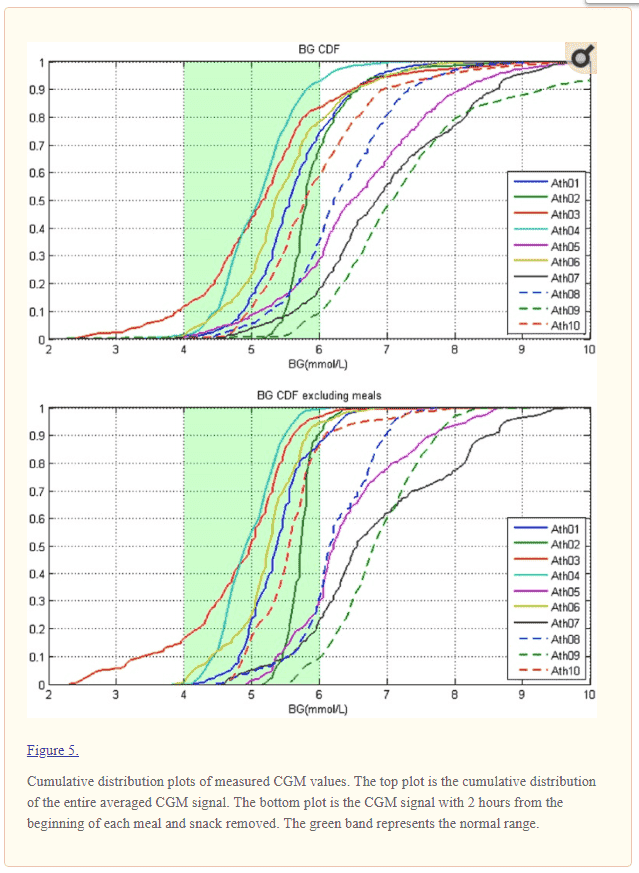
This small study does not define the long-term outcome for every athlete. It does show why body composition alone should not be treated as proof of metabolic health. Glucose patterns, food quality and cardiometabolic risk still deserve attention.
A 2026 randomized crossover trial in 15 trained male cyclists provides a more current comparison. During seven-day isocaloric diet periods, the low-carbohydrate diet lowered mean glucose and glucose variability compared with the high-carbohydrate diet. Responses varied substantially among athletes, reinforcing the value of measuring the individual response rather than assuming that fitness predicts glucose control.[20]
Sugar restriction can improve metabolic health before major weight loss
The WordPress article also examined whether reducing sugar or carbohydrate can change metabolic health independently of substantial weight loss.
Schwarz and colleagues studied children with obesity during nine days of dietary fructose restriction. The intervention maintained approximately the same calories and macronutrient distribution as the participants' usual diets while substituting starch for fructose.[10]
Study methods and additional results
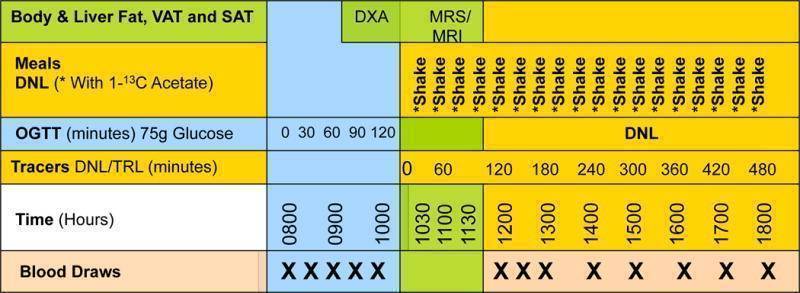
Study methods and additional results
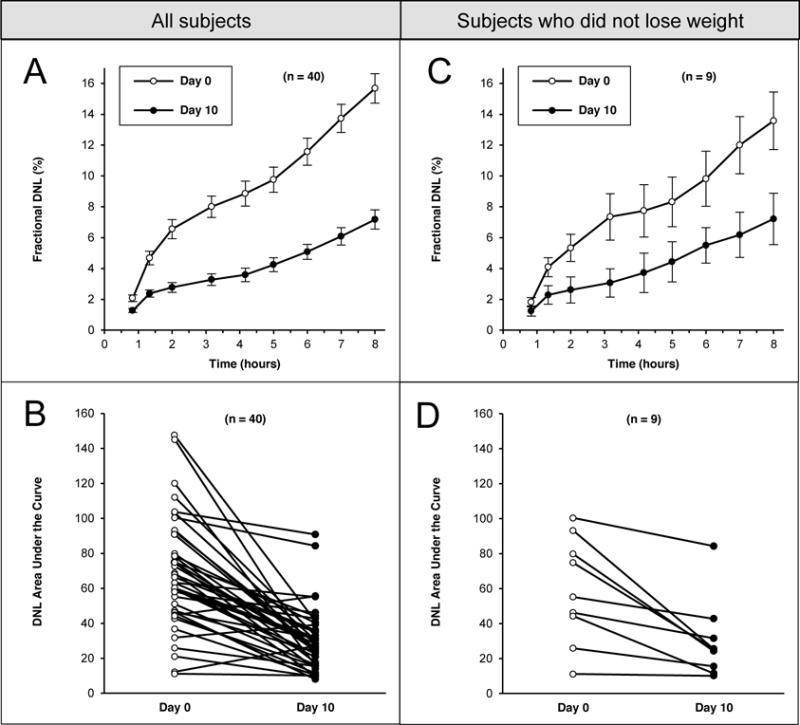
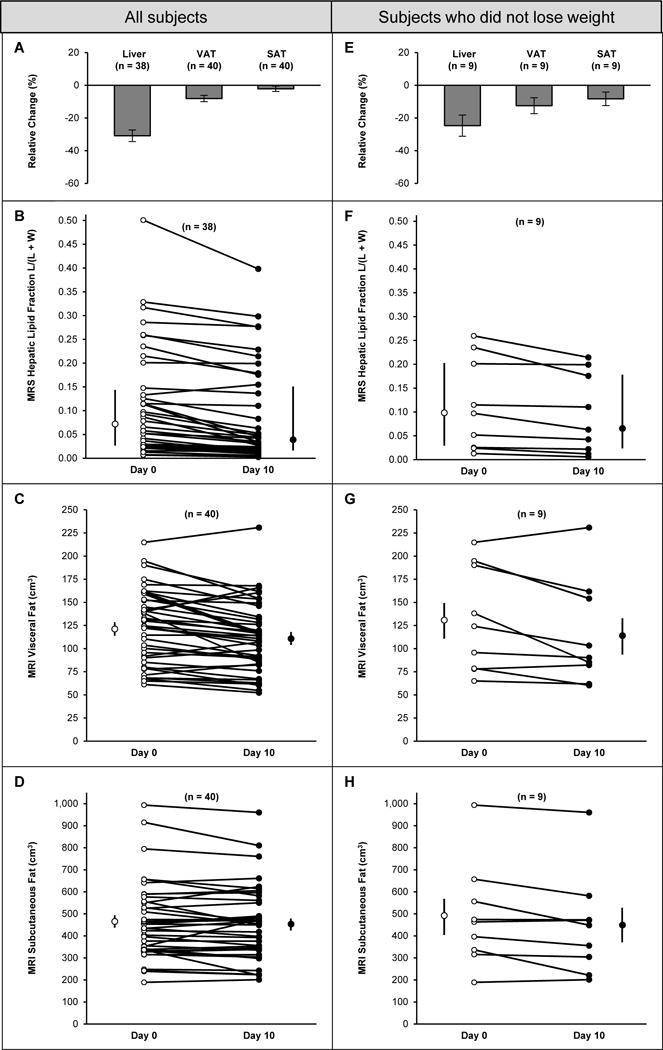
Liver fat fell from 7.8% to 3.8%, and de novo lipogenesis (the creation of new fat in the liver) fell from 68% to 26%. The improvements were observed whether participants lost weight or maintained it.
Historical discussion: Layne Norton post.
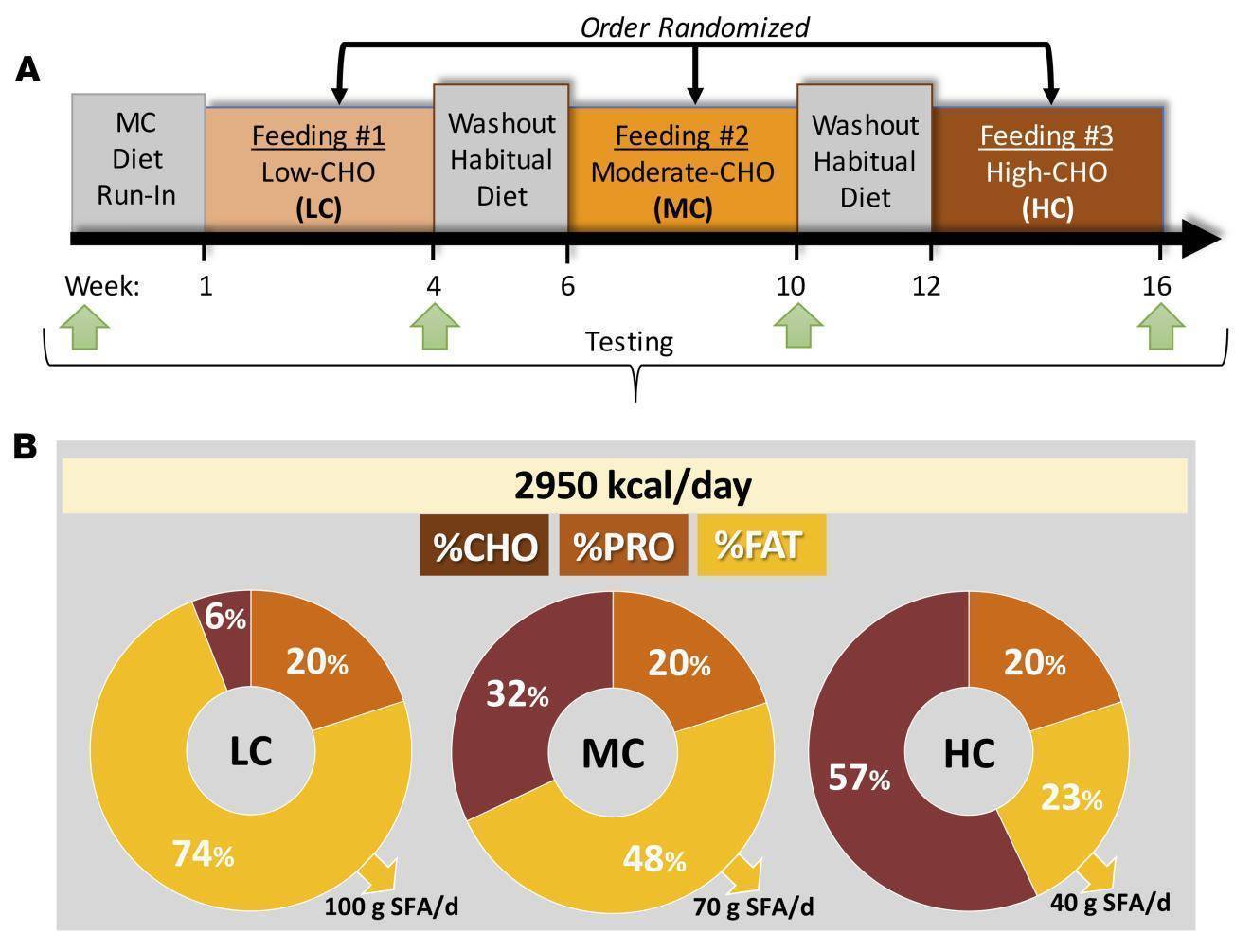
Hyde, Volek and colleagues then tested an isocaloric low-carbohydrate diet in adults with metabolic syndrome. Participants were randomly assigned to diets that maintained body weight while varying carbohydrate content.[11]
Study methods and additional results
Study methods and additional results

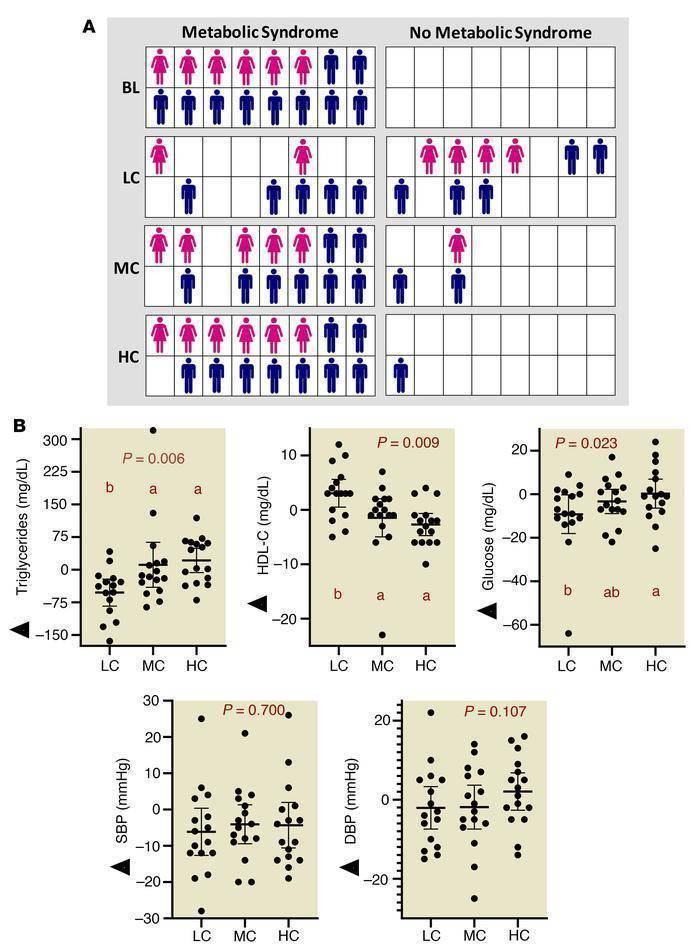
The low-carbohydrate diet lowered triglycerides, raised HDL cholesterol and produced lower glucose levels than the high-carbohydrate diet without requiring weight loss. Nine of 16 participants no longer met the criteria for metabolic syndrome after the low-carbohydrate phase. Blood pressure did not differ significantly among the three diets.[11]
Historical discussion: Stephan Guyenet post.
What this means for athletes
The evidence does not support the blanket statement that every athlete needs a high-carbohydrate diet. Across several sports and training styles, athletes maintained—and in some cases improved—performance while following low-carbohydrate or ketogenic diets.
The practical lessons are straightforward:
- Allow time to adapt. The available studies point to an adaptation window of roughly four to 12 weeks.
- Prioritize adequate protein and total nutrition rather than simply removing carbohydrate.
- Judge the approach by the demands of the sport, recovery, body composition and measured performance.
- Do not assume that fitness or leanness eliminates the need to monitor metabolic health.
- Separate habitual diet from event fueling. Strategic carbohydrate may help selected high-intensity or prolonged efforts without requiring a high-carbohydrate daily diet.
Athletes can consider low-carbohydrate nutrition without assuming that performance must suffer. The right test is not sports-nutrition dogma. It is what happens to the athlete's performance, recovery, body composition and metabolic health after a well-constructed plan and a sufficient adaptation period.
Watch the full lecture
Video: The Clinical Approach to Low-Carb Diets in Athletes — Dr. Tro Kalayjian, Nutrition Network presentation, 32:50.
References
- Paoli A, Grimaldi K, D'Agostino D, et al. The ketogenic diet does not affect strength performance in elite artistic gymnasts. Journal of the International Society of Sports Nutrition. 2012;9:34. doi:10.1186/1550-2783-9-34
- Greene DA, Varley BJ, Hartwig TB, Chapman P, Rigney M. A low-carbohydrate ketogenic diet reduces body mass without compromising performance in powerlifting and Olympic weightlifting athletes. Journal of Strength and Conditioning Research. 2018;32(12):3373-3382. PubMed · doi:10.1519/JSC.0000000000002904
- McSwiney FT, Wardrop B, Hyde PN, Lafountain RA, Volek JS, Doyle L. Keto-adaptation enhances exercise performance and body composition responses to training in endurance athletes. Metabolism. 2018;81:25-34. doi:10.1016/j.metabol.2017.10.010
- Paoli A, et al. Ketogenic diet and performance in triathletes. 2018 ACSM annual-meeting abstract. Original journal record · Source-supplied DOI
- Kephart WC, Pledge CD, Roberson PA, et al. Three-month effects of a ketogenic diet on body composition, blood parameters, and performance metrics in CrossFit trainees: a pilot study. Sports. 2018;6(1):1. PubMed · doi:10.3390/sports6010001
- Cipryan L, Plews DJ, Ferretti A, Maffetone PB, Laursen PB. Effects of a 4-week very low-carbohydrate diet on high-intensity interval training responses. Journal of Sports Science & Medicine. 2018;17(2):259-268. PubMed Central
- Miele EM, Vitti S, Christoph L, O'Neill EC, Matthews TD, Wood RJ. The effects of a six-week ketogenic diet on the performance of short-duration, high-intensity exercise. Medicine & Science in Sports & Exercise. 2018;50(5S):792. Original journal record · doi:10.1249/01.mss.0000538607.63990.a9
- Sitko S, Cirer-Sastre R, Corbi F, López Laval I. Effects of a low-carbohydrate diet on body composition and performance in road cycling: a randomized, controlled trial. Nutrición Hospitalaria. 2020. doi:10.20960/nh.03103
- Thomas F, Pretty CG, Desaive T, Chase JG. Blood glucose levels of subelite athletes during 6 days of free living. Journal of Diabetes Science and Technology. 2016;10(6):1335-1343. doi:10.1177/1932296816648344
- Schwarz JM, Noworolski SM, Erkin-Cakmak A, et al. Effects of dietary fructose restriction on liver fat, de novo lipogenesis, and insulin kinetics in children with obesity. Gastroenterology. 2017;153(3):743-752. doi:10.1053/j.gastro.2017.05.043
- Hyde PN, Sapper TN, Crabtree CD, et al. Dietary carbohydrate restriction improves metabolic syndrome independent of weight loss. JCI Insight. 2019;4(12):e128308. doi:10.1172/jci.insight.128308
- Wilson JM, Lowery RP, Roberts MD, et al. Effects of ketogenic dieting on body composition, strength, power, and hormonal profiles in resistance training men. Journal of Strength and Conditioning Research. 2020;34(12):3463-3474. doi:10.1519/JSC.0000000000001935
- Volek JS, Freidenreich DJ, Saenz C, et al. Metabolic characteristics of keto-adapted ultra-endurance runners. Metabolism. 2016;65(3):100-110. doi:10.1016/j.metabol.2015.10.028
- Dostal T, Plews DJ, Hofmann P, Laursen PB, Cipryan L. Effects of a 12-week very-low-carbohydrate high-fat diet on maximal aerobic capacity, high-intensity intermittent exercise, and cardiac autonomic regulation: non-randomized parallel-group study. Frontiers in Physiology. 2019;10:912. doi:10.3389/fphys.2019.00912
- Burke LM, Sharma AP, Heikura IA, et al. Crisis of confidence averted: impairment of exercise economy and performance in elite race walkers by ketogenic low-carbohydrate, high-fat diet is reproducible. PLOS ONE. 2020;15(6):e0234027. doi:10.1371/journal.pone.0234027
- Prins PJ, Noakes TD, Buga A, et al. Low and high carbohydrate isocaloric diets on performance, fat oxidation, glucose and cardiometabolic health in middle age males. Frontiers in Nutrition. 2023;10:1084021. doi:10.3389/fnut.2023.1084021
- Vargas-Molina S, García-Sillero M, Bonilla DA, et al. The effect of the ketogenic diet on resistance training load management: a repeated-measures clinical trial in trained participants. Journal of the International Society of Sports Nutrition. 2024;21(1):2306308. doi:10.1080/15502783.2024.2306308
- Prins PJ, Noakes TD, Buga A, et al. Carbohydrate ingestion eliminates hypoglycemia and improves endurance exercise performance in triathletes adapted to very-low- and high-carbohydrate isocaloric diets. American Journal of Physiology-Cell Physiology. 2025;328(2):C710-C727. doi:10.1152/ajpcell.00583.2024
- Carpenter M, Brouner J, Spendiff O. Strategic carbohydrate feeding improves performance in ketogenic trained athletes. Clinical Nutrition. 2025;51:212-221. doi:10.1016/j.clnu.2025.06.016
- Amatori S, Radice R, Podlogar T, et al. Low-versus high-carbohydrate isocaloric diets on continuous glucose monitoring metrics in healthy trained cyclists: a randomized crossover trial. European Journal of Sport Science. 2026;26(2):e70127. doi:10.1002/ejsc.70127
- Gawełczyk M, Kaszuba M, Zając A, Maszczyk A. Effects of low-carbohydrate and ketogenic diets on aerobic performance in trained athletes: a systematic review and meta-analysis. Nutrients. 2026;18(5):740. PubMed · doi:10.3390/nu18050740