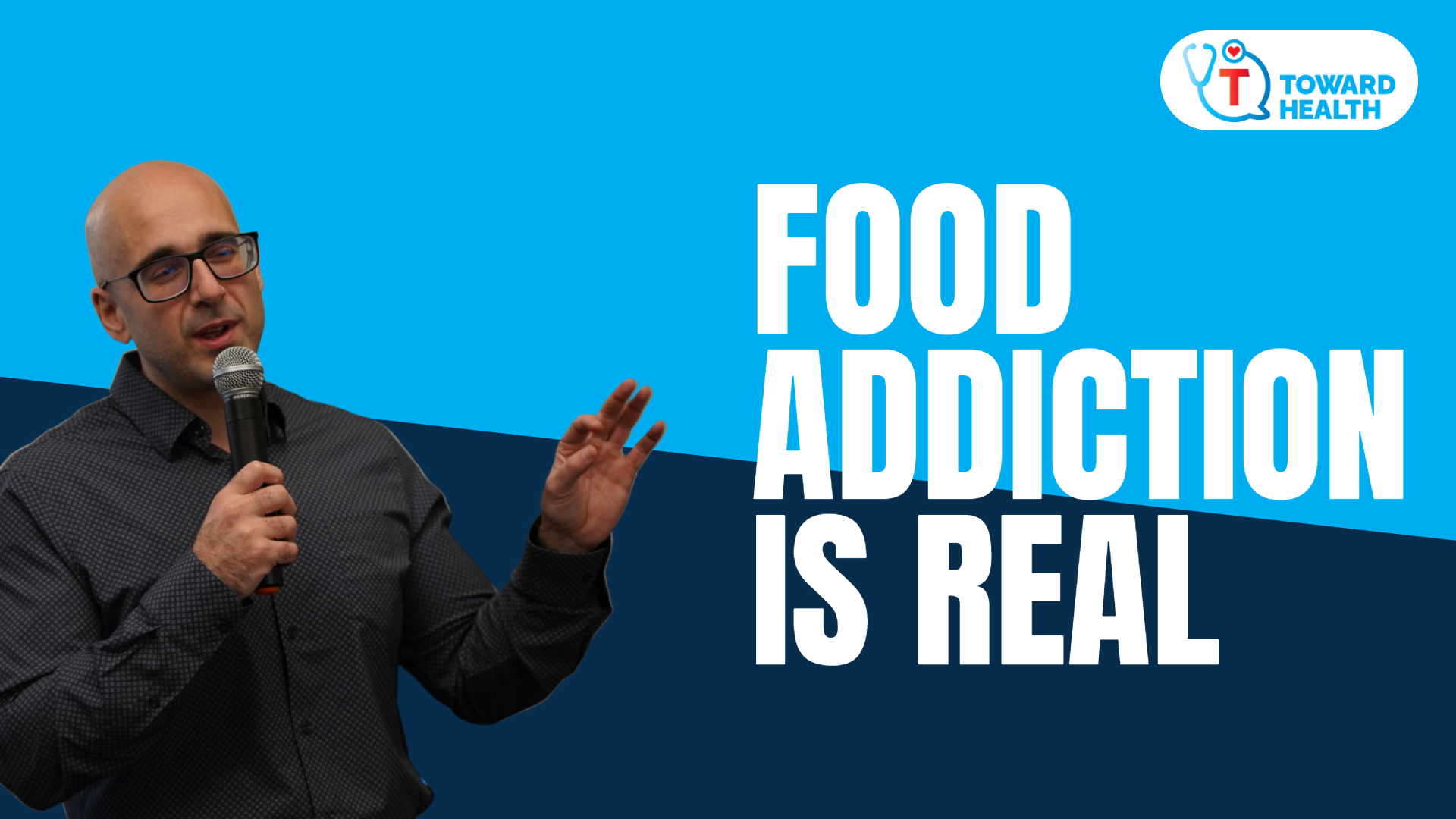

Chris S. Cornell describes a turning point that went beyond losing weight: discovering what his body could do. In this excerpt from his 2022 LowCarbMD conversation with Dr. Brian Lenzkes, he talks about finishing his first half marathon, lifting weights, and feeling stronger than ever.
Chris is now a coach with Ovadia Heart Health. He started out working with Toward Health.
His message is encouraging for anyone who thinks the chance to become more active has passed. Progress can mean walking farther, getting stronger, or finding a new goal that makes you want to keep going.
Watch Chris Cornell’s story
Watch the Short on YouTube or watch the full interview: LowCarbMD Episode 249 with Vic Basmadjian and Chris S. Cornell.
From a number on the scale to new possibilities
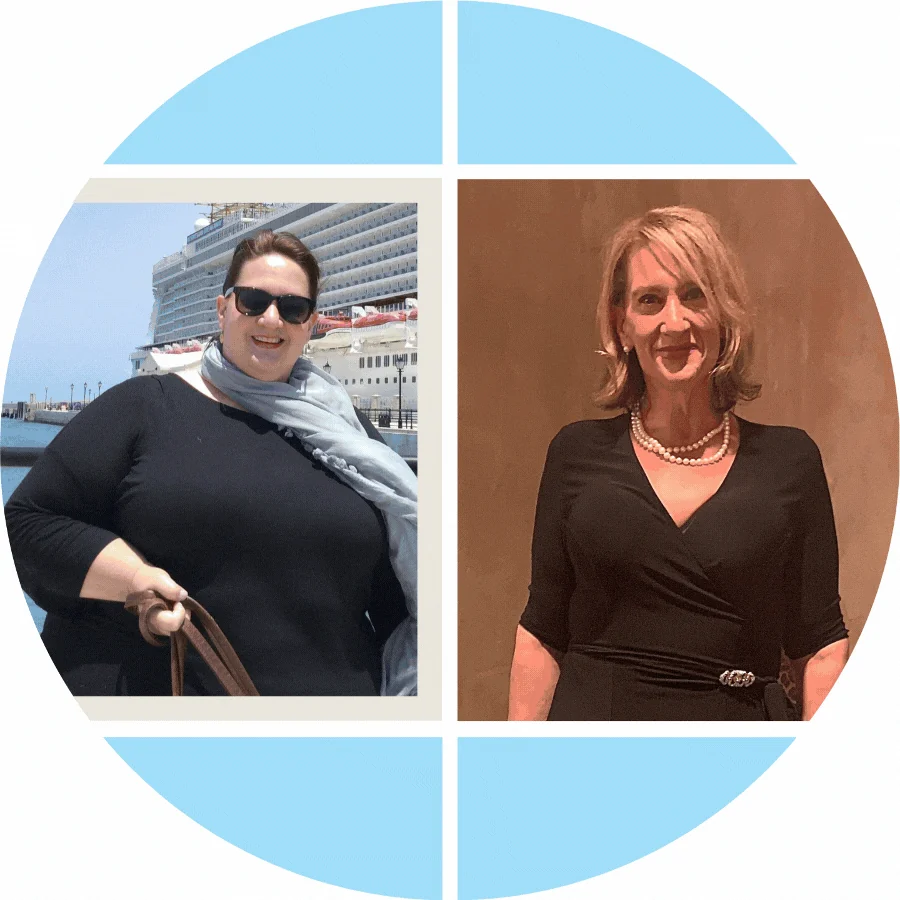
In the interview, Chris recalls weighing 278 pounds roughly seven years earlier. By the time of the conversation, his attention had shifted. He had recently completed his first half marathon and was planning a marathon for the following spring.
Running was only part of the story. He was also lifting weights and noticing what strength training made possible.
“I’m stronger than I’ve ever been.”
He connects that experience with a growing sense of confidence: the ability to keep improving his health, fitness, and relationships. These are milestones he described in the original interview, rather than an update on his current training.
Exercise offers benefits beyond weight loss
Chris’s story is one person’s experience. Research also shows benefits of exercise beyond changes on the scale. A review of 270 randomized trials found that aerobic exercise, resistance training, and combined training lowered resting blood pressure. A separate BMJ review found reductions in depressive symptoms with activities including walking, jogging, and strength training, although confidence in that evidence was low to very low.
You do not need to run a half marathon to begin. A manageable walk and a few well-chosen strength exercises can be a useful starting point. Choose activities you can repeat, then build duration or difficulty gradually.
Progress can also be measured in everyday life: walking a familiar route with less effort, carrying groceries more comfortably, or completing a strength workout with better control. Pick a starting point you can sustain, and build from there.
Find an exercise plan that fits your starting point
Our exercise resources offer different ways to put those ideas into practice:
- Getting Started With Exercise: a gradual approach for people beginning or returning to regular activity.
- A Minimalist Full-Body Strength Plan: two efficient strength workouts per week, with guidance on movements, effort, and progression.
- Advanced Exercise Protocol: a more demanding option for experienced exercisers who already understand the movements and training methods.
Choose the level that matches your current ability, health, and recovery. If a medical condition, injury, or symptoms affect your activity, your care team can help adapt the plan.
For more guidance on walking, strength training, mobility, and getting started, explore our Exercise, Strength & Mobility hub.