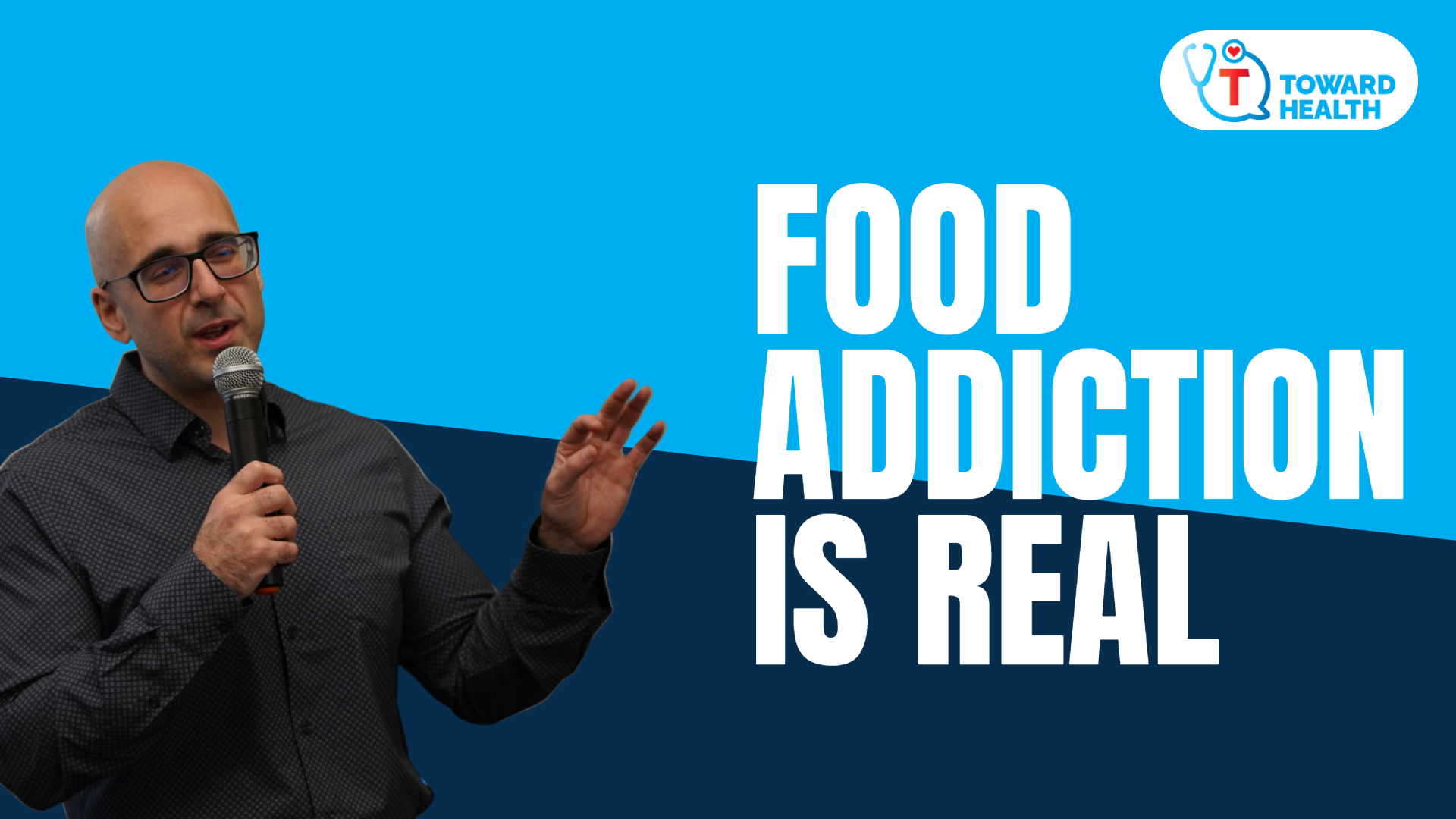

Ken Berry, MD, describes his path from Paleo to carnivore eating and shares his views on stress, food cravings, and familiar nutrition advice.
About Dr. Berry
In 2021, Ken Berry, MD, was introduced as a Tennessee family physician, a graduate of the University of Tennessee College of Medicine, the author of Lies My Doctor Told Me, and the creator of a popular YouTube channel about keto, low-carbohydrate, and carnivore eating.
Dr. Berry’s personal eating journey
Dr. Berry described being active and playing sports when he was younger, then gaining substantial weight after college and medical school as his activity changed. He said he progressed from a Paleo approach to Atkins-style low-carbohydrate eating, then keto, and eventually carnivore eating.
Dr. Berry reported a loss of nearly 80 pounds and improvement in several longstanding health concerns, including chronic heartburn. Those are the guest’s personal reported outcomes and should not be interpreted as results another person can expect.
He also described experimenting with different protein-to-fat ratios and finding that an approximately one-to-one ratio worked for him. His broader message was that people differ and need to observe their own response.
Why he began questioning familiar nutrition advice
Dr. Berry linked Lies My Doctor Told Me to his habit of asking why common medical statements were accepted. He shared two examples from his training and early practice: advice about vitamin D and breastfeeding, and older guidance given to a patient with diverticulitis about avoiding nuts, seeds, blueberries, and strawberries.
He said researching those examples led him to question other widely repeated beliefs.
Questions about carnivore eating
Digestive symptoms during a transition
Dr. Berry said that some people who move rapidly from a high-carbohydrate diet to carnivore eating report temporary digestive symptoms.
Whether women should eat less meat
In response to a question, Dr. Berry disagreed with the idea that women broadly need to eat less meat. He referred to human evolutionary history and similarities between men and women. This was his stated view during the 2021 conversation, not a personalized nutrition recommendation.
Stress, cravings, and finding another response
Asked how to manage intense stress without returning to sugar or high-carbohydrate foods, Dr. Berry identified stress as a common trigger for overeating, cravings, and other coping behaviors. He pointed listeners to Dr. Robert Cywes as an additional resource.
The useful behavioral theme is to recognize when stress is driving the urge to eat and to seek support before the pattern escalates.
Key takeaways
- Dr. Berry described his personal progression through Paleo, low-carb, keto, and carnivore eating.
- His reported weight and health changes were personal experiences, not promised outcomes.
- He encouraged questioning familiar nutrition claims and examining their basis.
- The Q&A covered digestive symptoms, sex-specific nutrition claims, severe stress, and food cravings.
Visit Dr. Berry’s YouTube channel or website for his current work.
Restrictive dietary changes may not be appropriate for everyone. Discuss nutrition changes with a qualified clinician, particularly when managing a medical condition, pregnancy, an eating disorder, or medication.