
Yes. Coronary plaque can shrink, change composition or become more stable. A useful plan addresses the disease itself: metabolic health, fitness, blood pressure, smoking and the treatments that fit your risk.
Plaque deserves a plan
A cholesterol result is one part of the picture. Existing plaque, symptoms, blood pressure, diabetes, smoking, family history and LDL/ApoB help determine how aggressively to act. The goal is to reduce the chance of a heart attack while helping you live and function better. [1]
Three changes matter: less plaque, slower plaque growth, and a more stable plaque composition. They are related, but they are different measurements. A treatment can be useful even when a calcium score does not fall.
Start with what you can change every day
Stop smoking. Build fitness. Improve blood sugar and blood pressure. Use a sustainable eating plan that supports healthy weight and adequate nutrition. These belong alongside any medication decision. Cardiac rehabilitation brings exercise, nutrition and risk-factor management together for eligible people with coronary disease. [1]
Exercise can affect plaque, too
In the CENIT plaque-volume analysis, six months of supervised interval training after PCI reduced percent atheroma volume by about 1.2 percentage points. The comparison group received usual preventive care. Participants continued medical treatment; exercise was an added part of care. A supervised program helps people with established heart disease build intensity safely. [2]
Treatments that have changed coronary plaque
The studies below measured different parts of plaque over different time periods. Their percentages describe those measurements, rather than a head-to-head ranking of treatments.
Statins
In SATURN, both intensive statin regimens produced coronary plaque regression over 104 weeks. Percent atheroma volume fell by 0.99 percentage points with atorvastatin and 1.22 with rosuvastatin; the difference between regimens was not statistically significant. Statins can also shift plaque toward a more calcified, stable composition. [3] [7]
Ezetimibe
PRECISE-IVUS found greater coronary plaque regression when ezetimibe was added to atorvastatin than with atorvastatin alone over 9–12 months. This gives patients an additional way to lower LDL and affect plaque when one treatment is insufficient. [4]
PCSK9 inhibitors
In GLAGOV, adding evolocumab to statin therapy reduced percent atheroma volume by 0.95 percentage points, compared with an increase of 0.05 with placebo, at the 78-week imaging assessment. These injections can be useful when a substantial further LDL reduction is needed. [5]
Prescription EPA
EVAPORATE studied icosapent ethyl, a prescription form of EPA, in people with coronary disease and elevated triglycerides who were already taking statins. Low-attenuation plaque volume fell 17% over 18 months, while it increased in the placebo group. This result applies to the prescription treatment studied, rather than to ordinary fish-oil supplements. [8]
Colchicine
Colchicine targets inflammation. In the 12-month EKSTROM trial, it slowed overall coronary plaque progression compared with placebo. The trial’s primary low-attenuation plaque measurement did not significantly change between groups. Its place in care depends on coronary risk, kidney function and medication interactions. [6] [1]
What about vitamin K2 and nattokinase?
Vitamin K2 + D3
The evidence is strongest for slowing calcium accumulation in people with substantial existing coronary calcium. AVADEC was neutral overall, with a benefit in the high-CAC subgroup. In the newer DANCODE trial, people starting at CAC 400 or above had a smaller two-year calcium-score increase: 196 versus 248 units. Total plaque volume increased similarly in both groups. These findings concern slower calcification rather than plaque removal. [9] [10]
Nattokinase
A retrospective study reported smaller carotid plaque measurements in 66.5% of the participants assessed after higher-dose nattokinase use. That figure is the share of people who improved, rather than the percentage of plaque removed. A separate three-year randomized trial at a lower dose found no benefit on carotid atherosclerosis measures. Different doses and populations leave the higher-dose question open; coronary plaque regression has not been established. [11] [12]
How do you know the plan is working?
Track the changes that guide care: symptoms, exercise capacity, blood pressure, blood sugar, lipids and medication tolerance. Imaging has a role when its result will change the plan. [1]
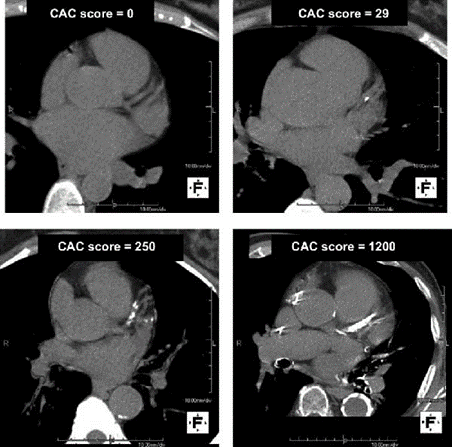
A CAC scan measures calcified plaque. CCTA can show calcified and noncalcified plaque, and dedicated analysis can quantify plaque burden and composition. Stress testing asks a different question: whether blood supply becomes inadequate under stress. Compare the heart tests →
A rising calcium score during statin treatment does not, by itself, prove treatment is failing. PARADIGM found that statin use was associated with more plaque calcification alongside slower progression of noncalcified plaque and fewer new high-risk features. Follow-up decisions should account for that change in composition. [7]
Turn the findings into action
If you have plaque, bring your scan report, medication list and recent labs into one conversation with your care team. Decide which risks need attention, what treatment you can sustain, and which follow-up results would change the plan.
Sources
- 2023 multisociety guideline for chronic coronary disease.
- CENIT: supervised exercise and coronary plaque volume.
- SATURN: intensive statin treatment and plaque regression.
- PRECISE-IVUS: ezetimibe added to atorvastatin.
- GLAGOV: evolocumab added to statin treatment.
- EKSTROM: colchicine and coronary plaque progression.
- PARADIGM: statin treatment and plaque composition.
- EVAPORATE: prescription EPA and coronary plaque.
- AVADEC: vitamin K2, vitamin D and coronary calcium.
- DANCODE: vitamin K2 and D3 in severe coronary calcification.
- Nattokinase: retrospective carotid-plaque study.
- NAPS: randomized nattokinase prevention trial.