
Start with a question from your baseline
After your first two weeks, you have a starting point. Now use what you have observed to investigate a practical question: how does a particular meal affect you, how does a walk change the pattern, or how are your fasting readings changing over time?
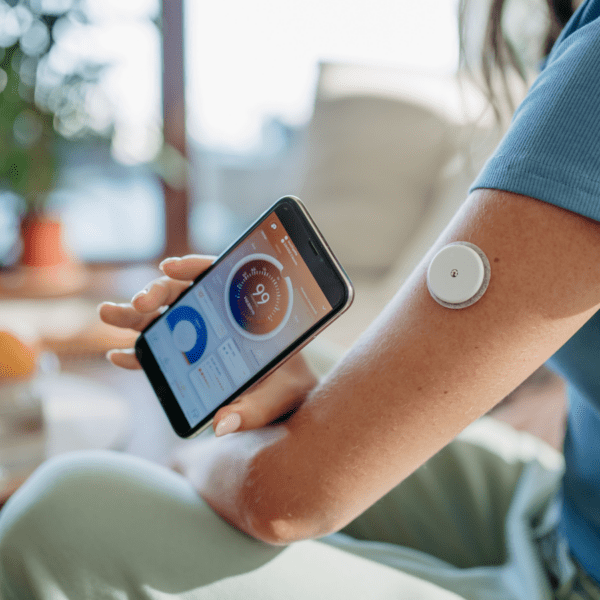
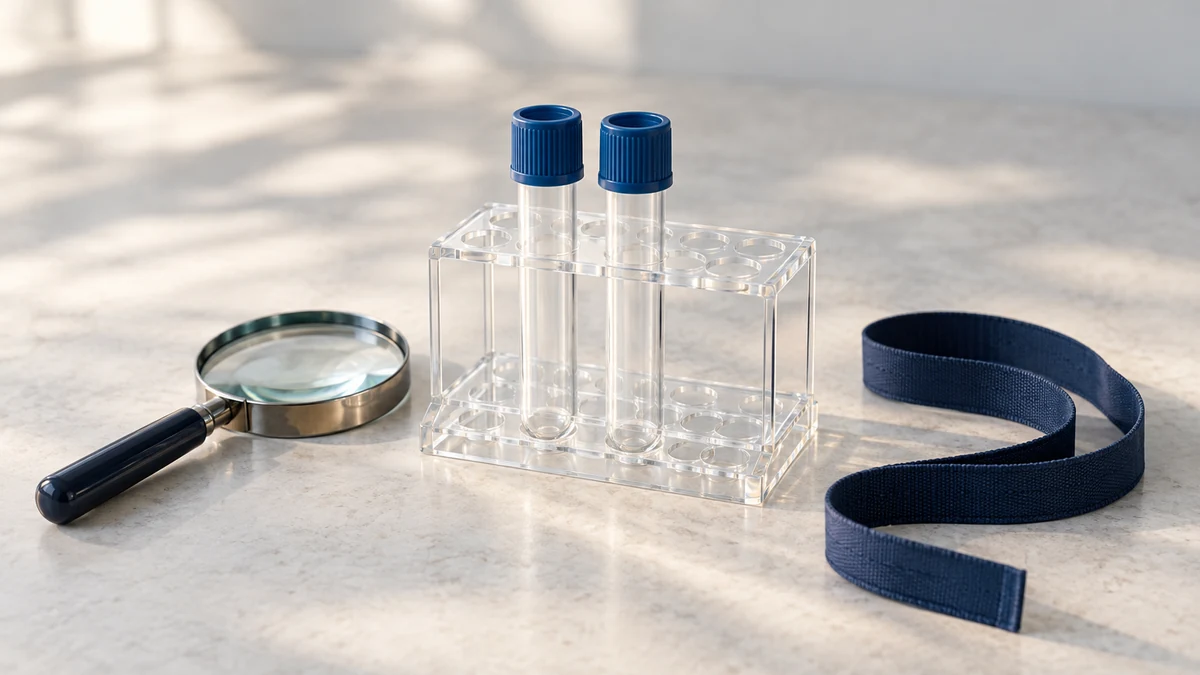
Treat yourself like one of Sherlock Holmes’ cases. You are the detective, and your daily activities and CGM record are the clues. Foods, stress, sleep quality, exercise and medications can all affect blood glucose.
Compare the whole pattern
One rise is not like another. A rise during a strenuous walk can be followed by lower glucose levels for the rest of the day. Exercise-induced rises usually return to baseline more quickly than rises after a large meal.
Notice how high glucose rises and how long it takes to recover. Also look at your fasting glucose and how it changes over time. Keep using the notes you began in Part 3 so that the graph remains connected to meals, activity and how you felt.
If you need to revisit the report’s measurements or interpretation, return to How to Read CGM Data Without Feeling Overwhelmed.
How much of a glucose spike is too big?
The science tells us that when our body’s glucose levels spike beyond 70 points, damage is being done. At the least, we would like to keep spikes below 70 points.
When we exercise, our body produces glucose to give us energy. This extra production sometimes raises blood sugar even more than a carbohydrate-heavy meal. That is okay: glucose spikes from exercise should not be worried about or avoided.
After your first two weeks, try a no-hitter day
A no-hitter day is when you stay within your target range for a full 24 hours. You do not need to manage this all the time. See if you can manage one after you have worn a CGM for a couple of weeks and have a good idea of the impact of your lifestyle and diet.
If walking or other exercise causes your glucose to rise outside the range, do not worry—that does not count.
Bring your doctor into the investigation
Most CGM apps have a note-taking function. Keep using it as patterns emerge, rather than starting the initial checklist over again. Your task is to connect what happened during the day with what the CGM recorded.
Do not forget that you have a doctor. Treat your doctor like Watson, there to help solve the case when the answers are not immediately obvious. Bring the pattern, your notes and the question you are trying to answer.
Watch: CGM in Clinical Practice: Advanced
Previous: CGM: The First 2 Weeks.
Return to What Is a CGM?.
Related course: Continuous Glucose Monitors (CGMs).
Nothing in this course or article should be considered personal medical advice. Always consult your doctor and medical team about your individual situation.