
Avocado oil and protein-product testing show why labels need independent verification. Learn what the findings mean and which questions to ask.
Reading the label is a starting point
You can read every ingredient, compare nutrition panels and pay more for a product, yet still be missing important information about what is inside. A label tells you what a company says it is selling. It does not independently verify the oil's identity, the accuracy of every nutrient amount or the presence of contaminants.
That does not make labels useless. It means trust needs more than reassuring words on a package. Recent testing of avocado-oil foods and protein products shows why.
What the avocado oil findings show
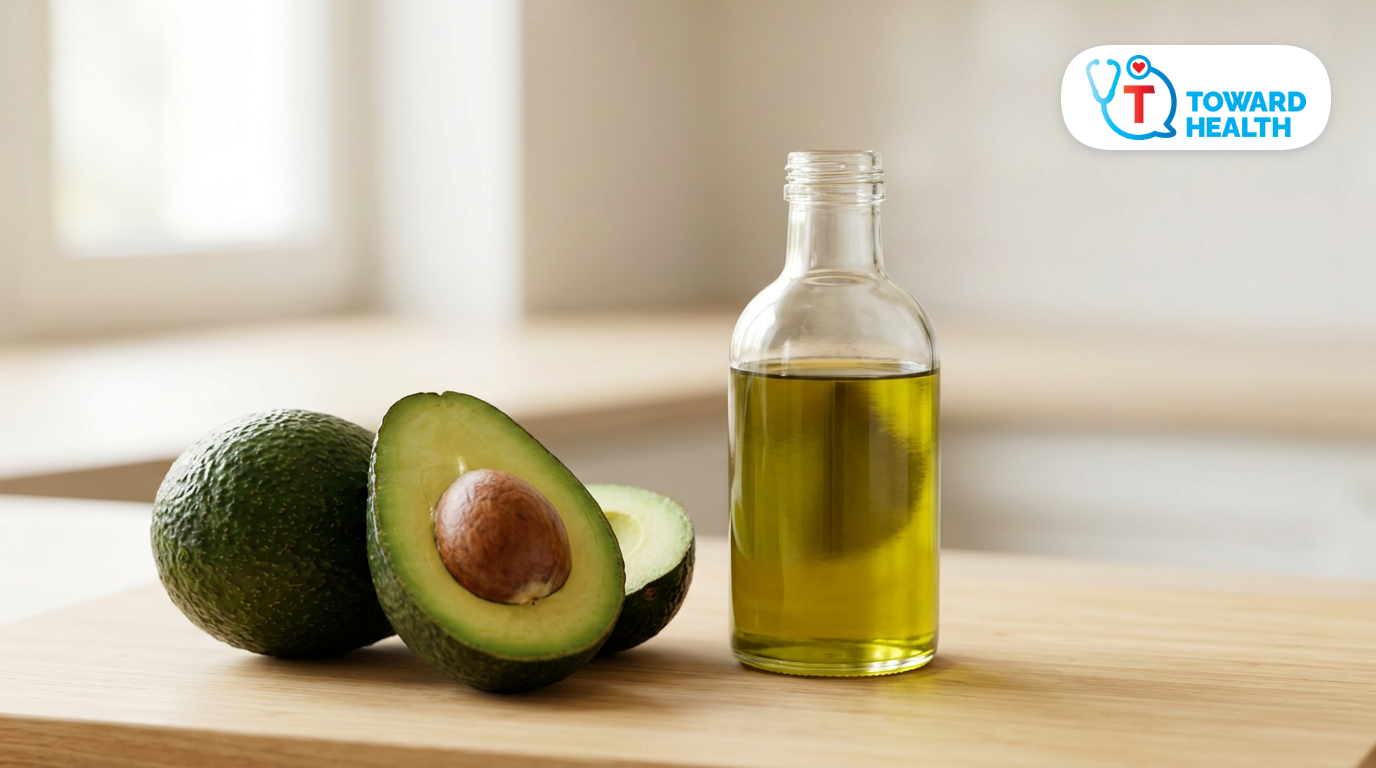
In a report published July 15, 2026, UC Davis described testing 54 sampled processed foods labeled as containing avocado oil. Researchers judged 48 of those products adulterated using fatty-acid and sterol measurements. One of 20 olive-oil-labeled foods failed. Experiments found that processing had little effect on the markers used for the analysis.
These were selected California and online purchases from 2025 and 2026, not a representative count of every product on the market. The findings concern authenticity. They do not establish clinical harm or show that every brand knowingly substituted oil.
UC Davis report: https://www.ucdavis.edu/food/news/avocado-oil-chip-youre-eating-may-not-be-made-pure-avocado-oil
Research paper: https://www.sciencedirect.com/science/article/pii/S2772502226007274
Earlier ConsumerLab testing offers another example, with a much smaller sample. Among eight avocado oils tested in 2021, one appeared to contain another oil and another tasted of rotten avocados. That result should not be inflated into a claim about almost all avocado oil.
ConsumerLab oil report: https://www.consumerlab.com/news/best-avocado-oils/04-17-2021/
Contamination is a different question
A product can raise concerns about contaminants without the evidence showing deliberate ingredient substitution. Keep those issues separate.
Consumer Reports tested 23 protein powders and shakes. In its October 2025 report, updated January 2026, more than two-thirds exceeded its lead level of concern, 0.5 micrograms per day, in one serving. This is Consumer Reports' benchmark, not a universal legal limit or proof that one serving causes injury.
Consumer Reports investigation: https://www.consumerreports.org/lead/protein-powders-and-shakes-contain-high-levels-of-lead-a4206364640/
A January 2025 Clean Label Project white paper covered 160 products from 70 brands. Its executive summary reported that 47 percent exceeded California Proposition 65 toxic-metal warning benchmarks. Proposition 65 is a warning framework, not a universal boundary between safe and unsafe. This report and the Consumer Reports investigation used different samples and approaches. Their percentages should not be pooled, and neither is a clinical outcomes study.
Clean Label Project white paper: https://cleanlabelproject.org/wp-content/uploads/CleanLabelProject_ProteinStudyWhitepaper_010625.pdf
Even nutrient amounts need to match
ConsumerLab's April 2026 report found that six of 21 selected protein products contained more sodium, sugar or cholesterol than their labels indicated. A second laboratory confirmed the failures.
The other findings matter too: all of the products met their protein claims. None exceeded ConsumerLab's general heavy-metal concern limits, although six slightly exceeded its cited Proposition 65 warning levels. Leaving out those details would turn a specific testing result into a broader accusation the evidence does not support.
ConsumerLab protein-product report: https://www.consumerlab.com/news/protein-powders-shakes-testing-quality-sugar-sodium-cholesterol/04-30-2026/
Five questions worth asking
Before buying or repurchasing an oil, protein product or supplement, ask:
1. Was this exact finished product tested, including the flavor and formulation?
2. Which laboratory performed the testing, and what did it measure?
3. What were the actual results per serving, and which benchmark was used?
4. Does the report identify the relevant batch, and what does any certification cover?
5. Has the formulation changed since those results were published?
An organic claim, premium price or attractive package does not establish that an exact finished batch passed independent testing. A nutrition panel is not a contaminant assay. If a company provides a broad assurance, ask for a specific answer you can check.
Stay informed without assuming the worst
These findings do not mean every product is unsafe. They show why reading the label alone cannot settle every question about quality. Keep reading labels, but also look for independent results, transparent sourcing and clear answers. Vigilance means asking for evidence, then keeping your conclusions proportional to what that evidence actually shows.