
Cholesterol results can feel confusing. One number may rise while another improves. A person may lose weight, lower their blood sugar, and reduce their triglycerides—yet still see their LDL cholesterol increase. Someone else may have an LDL cholesterol result that looks acceptable while carrying other risks that are not captured by LDL-C alone.
That is why cholesterol should not be interpreted as a single “good” or “bad” number. The useful question is broader:
What do your lipid results, metabolic health, family history, and evidence of plaque suggest about your overall cardiovascular risk—and what actions are likely to help you most?
This article explains the major lipid measurements, how nutrition can affect them, when additional testing may be helpful, and how clinicians and patients can make individualized treatment decisions.
Cholesterol is essential—but it must travel in particles
Cholesterol is a waxy substance used throughout the body to build cell membranes and make bile acids, vitamin D, and steroid hormones. Your liver produces cholesterol, and cholesterol is also present in animal-derived foods such as meat, eggs, and dairy products.
The body can partly adjust its own cholesterol production and absorption in response to dietary intake, although the size of that response varies from person to person. Genetics, body composition, insulin resistance, thyroid function, hormonal health, medications, liver and kidney disease, and dietary patterns can all affect a lipid panel.
Because cholesterol and triglycerides do not dissolve freely in blood, they travel inside packages called lipoproteins. These particles carry cholesterol, triglycerides, proteins, and other compounds through the bloodstream.
This distinction matters: a standard lipid panel mainly reports how much cholesterol is being carried, while tests such as apolipoprotein B can help estimate how many potentially atherogenic particles are circulating.
What the common lipid measurements mean
LDL-C
Low-density lipoprotein cholesterol (LDL-C) estimates the amount of cholesterol carried inside LDL particles. LDL-C is often called “bad cholesterol,” but LDL particles have normal biological functions. The clinical concern is that prolonged exposure to a higher burden of apolipoprotein B–containing particles—including LDL—promotes atherosclerotic plaque formation.
Current cardiovascular guidelines consider LDL-C and the broader family of apoB-containing particles causal, modifiable contributors to atherosclerotic cardiovascular disease. Risk reflects both the concentration of these particles and the duration of exposure—not merely one isolated result.[1]
HDL-C
High-density lipoprotein cholesterol (HDL-C) estimates the amount of cholesterol carried inside HDL particles. Low HDL-C often travels with insulin resistance, high triglycerides, and increased cardiovascular risk. However, a high HDL-C result does not automatically cancel out elevated LDL-C, apoB, smoking, diabetes, hypertension, or existing plaque. HDL-C is best understood as part of the overall pattern rather than as a protective score by itself.[1]
Triglycerides
Triglycerides are the body's main form of stored fat. Elevated triglycerides commonly accompany insulin resistance, excess refined-carbohydrate or alcohol intake, poor glycemic control, obesity, and some genetic conditions or medications. Very high triglycerides also increase the risk of pancreatitis.
Triglycerides often improve substantially with weight loss, better glucose control, reduced alcohol intake, and reduced intake of refined carbohydrates and added sugars. The best intervention depends on why the triglycerides are elevated and how high they are.
Non-HDL-C
Non-HDL-C is calculated by subtracting HDL-C from total cholesterol. It includes the cholesterol carried in LDL and other potentially atherogenic particles, including remnant particles. This measurement can be especially useful when triglycerides are elevated or when LDL-C alone does not seem to capture the whole picture.
Apolipoprotein B
Apolipoprotein B (apoB) is the main structural protein on atherogenic lipoprotein particles. Because each of these particles generally carries one apoB molecule, apoB can serve as an estimate of atherogenic particle number.
ApoB can be particularly informative when LDL-C and particle number may be discordant—for example, in people with type 2 diabetes, metabolic syndrome, elevated triglycerides, known cardiovascular disease, or residual risk despite reaching LDL-C and non-HDL-C goals.[1]
Lipoprotein(a)
Lipoprotein(a), or Lp(a), is an LDL-like particle whose level is largely genetically determined. Lifestyle changes usually have little effect on it. The 2026 ACC/AHA multisociety dyslipidemia guideline recommends measuring Lp(a) at least once in adulthood because an elevated result can meaningfully change risk assessment and treatment discussions.[1]
Risk is more than a lipid panel
Lipid values matter, but they should be interpreted alongside the rest of a person's risk profile. Relevant factors include:
- Age and sex
- Blood pressure
- Smoking or nicotine exposure
- Type 1 or type 2 diabetes
- Kidney disease
- Family history of premature cardiovascular disease
- Chronic inflammatory disease
- Body composition and metabolic health
- Prior heart attack, stroke, peripheral artery disease, or revascularization
- ApoB, Lp(a), triglycerides, and other risk-enhancing markers
- Evidence of coronary plaque
The 2026 ACC/AHA guideline recommends the contemporary PREVENT-ASCVD equations for many adults ages 30 to 79 who do not already have cardiovascular disease or known subclinical atherosclerosis. The resulting estimate is not a verdict. It is a starting point for shared decision-making, interpreted together with risk-enhancing factors and, in selected cases, imaging.[1]
Where a coronary artery calcium scan can help
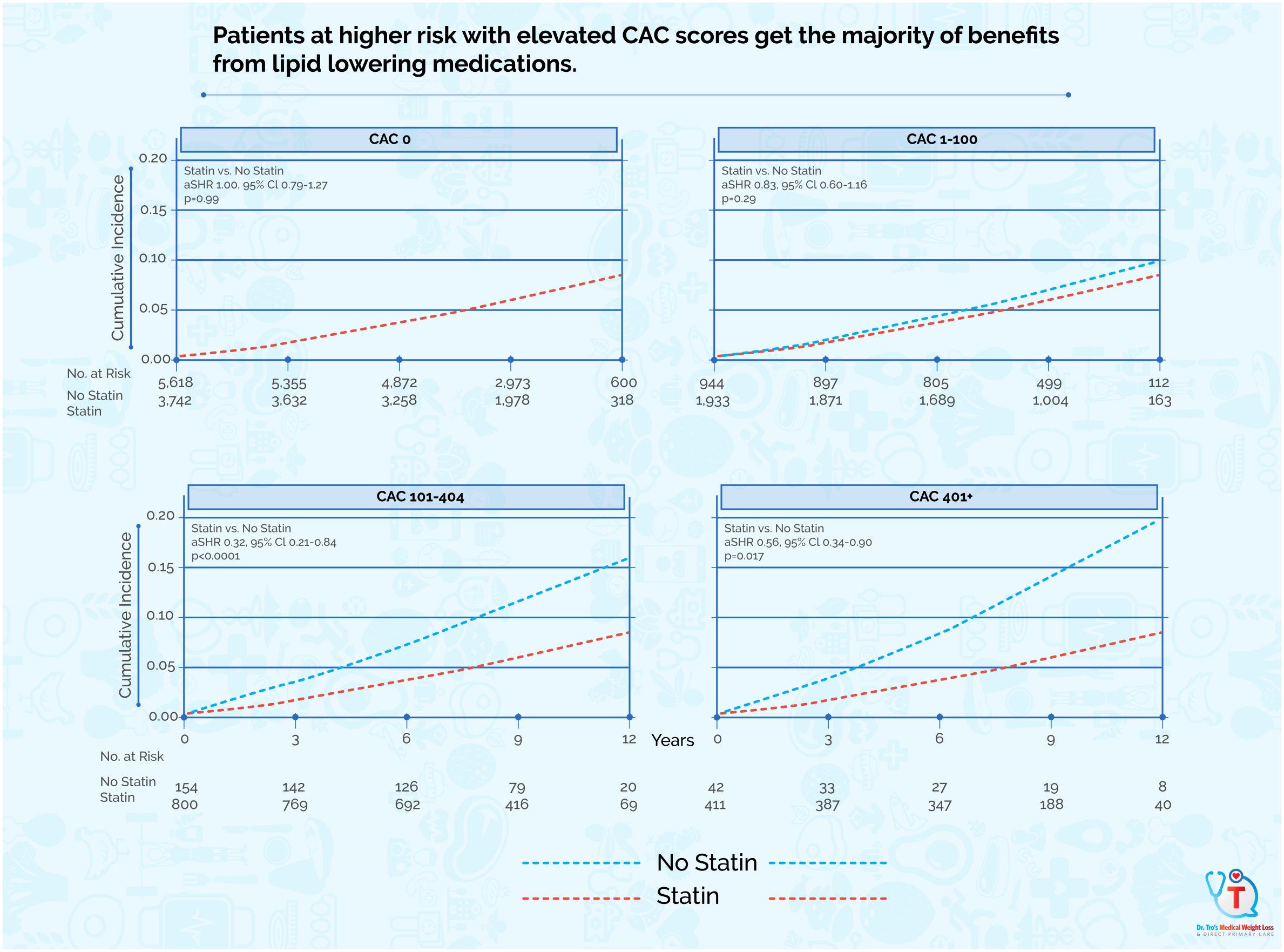
A coronary artery calcium (CAC) scan is a noncontrast CT scan that detects calcified plaque in the coronary arteries. In appropriately selected adults whose treatment decision remains uncertain, CAC can help reclassify risk and clarify whether lipid-lowering medication is likely to offer meaningful benefit.[1]
An elevated CAC score is evidence that coronary atherosclerosis is already present. In general, more calcium indicates a greater plaque burden and supports more intensive risk reduction.
A CAC score of zero is reassuring because it is associated with a lower near-term event rate in many primary-prevention populations. However, it is not a lifetime guarantee, does not detect all noncalcified plaque, and does not erase the effect of severe hypercholesterolemia, smoking, diabetes, strong family history, elevated Lp(a), or other major risks. A zero score may support deferring medication in some people after clinician-patient discussion, but it should not be treated as proof that LDL-C or apoB is irrelevant.[2]
What population studies can—and cannot—tell us
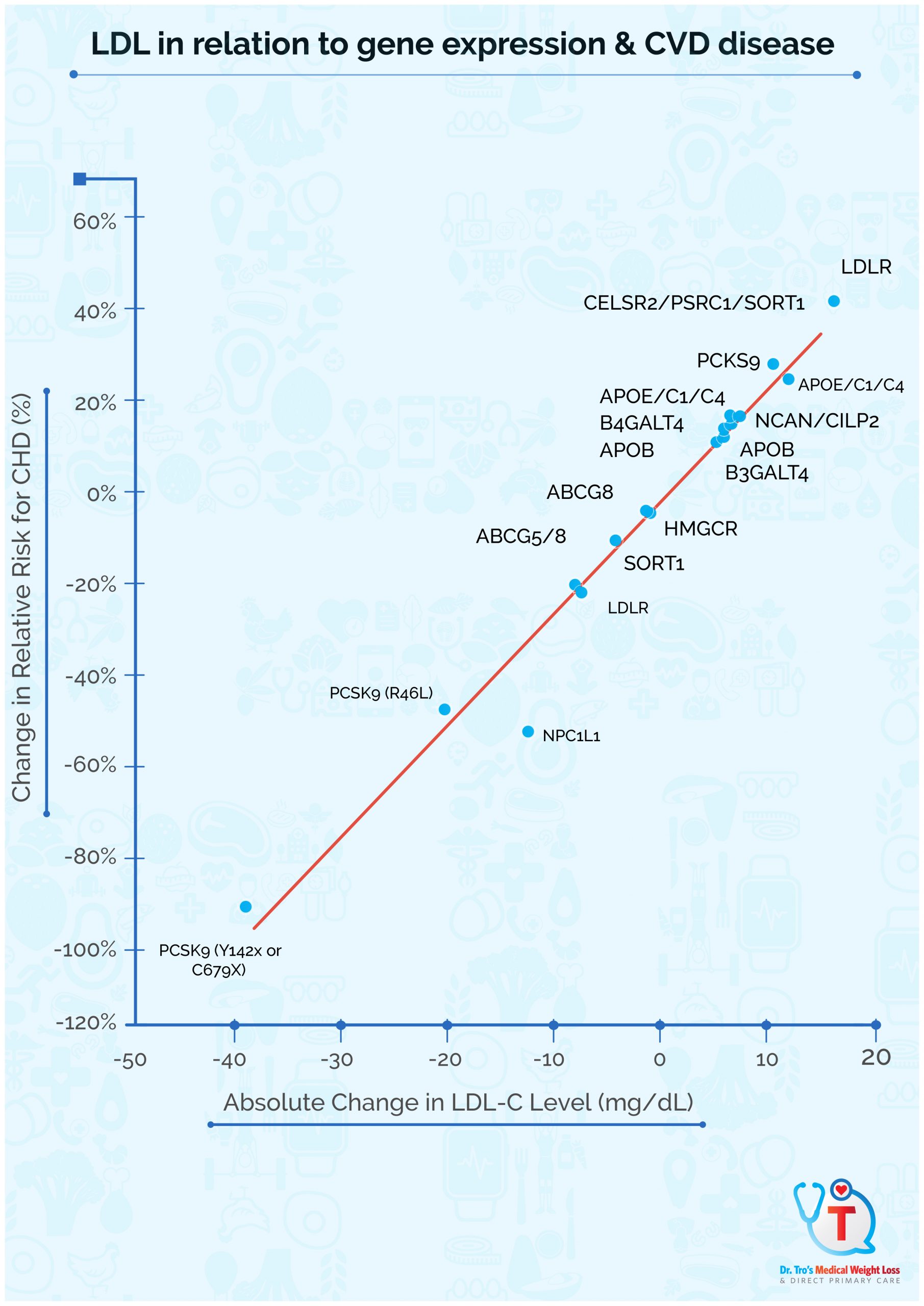
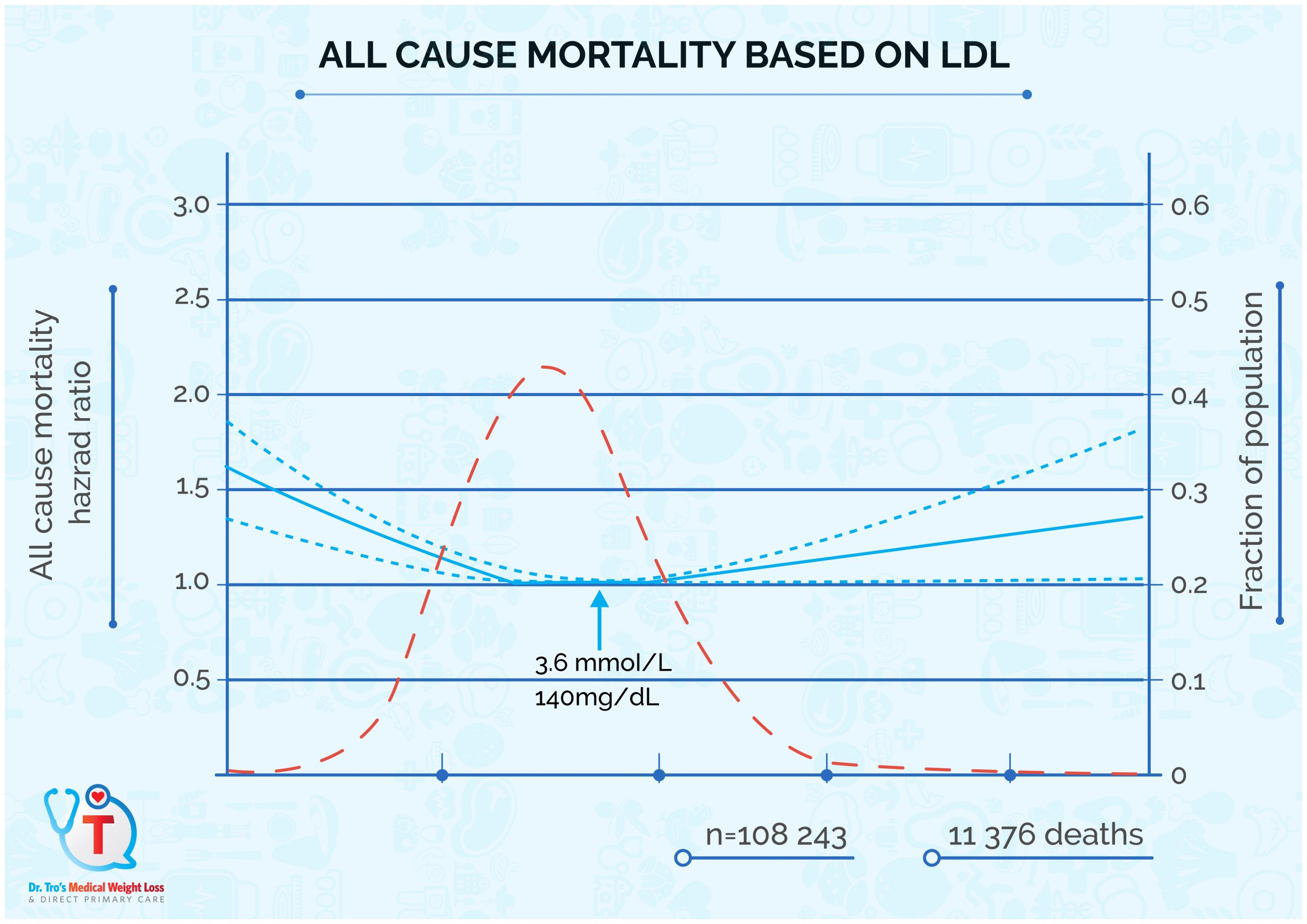
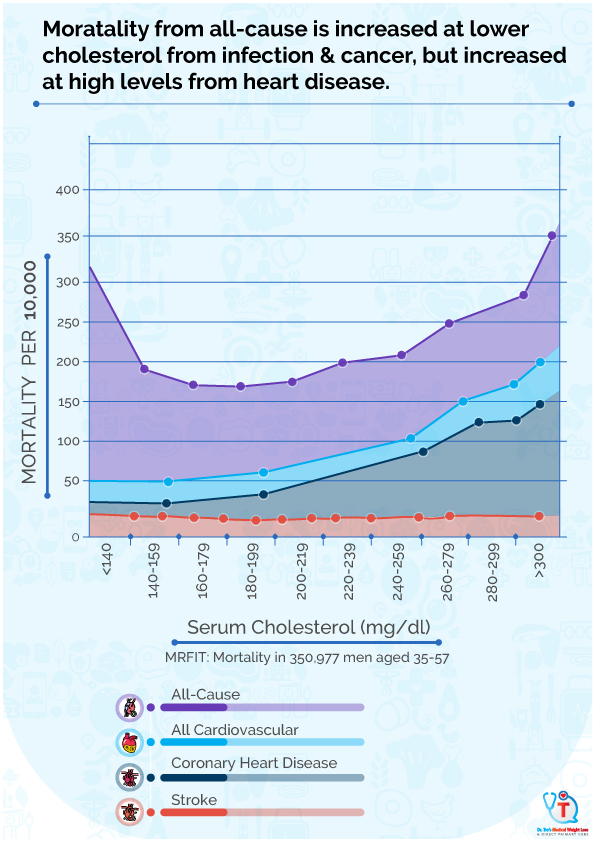
Some observational data show U-shaped associations between cholesterol levels and all-cause mortality: higher mortality appears at both very low and very high levels. These findings are important, but they cannot establish that lowering LDL-C causes higher mortality. Low cholesterol can be a consequence or marker of cancer, infection, frailty, chronic inflammation, malnutrition, liver disease, or other illness—a problem known as reverse causation.
Population mortality curves therefore should not be used by themselves to determine an individual's ideal LDL-C or whether a treatment is appropriate. Randomized trials, genetic studies, imaging, overall risk, competing health conditions, and patient preferences all add information.
Additional population evidence
How current guidelines approach treatment
The 2026 ACC/AHA multisociety guideline places lifestyle at the foundation of cardiovascular prevention while also emphasizing earlier treatment for people whose expected benefit is meaningful. It restores LDL-C and non-HDL-C goals, recommends selective CAC testing when risk remains uncertain, and expands the use of apoB and Lp(a) to refine risk.[1]
The goal is not to medicate every abnormal number or to dismiss a number because other markers look favorable. It is to estimate the person's absolute cardiovascular risk, identify modifiable drivers, and choose an intervention proportional to that risk.
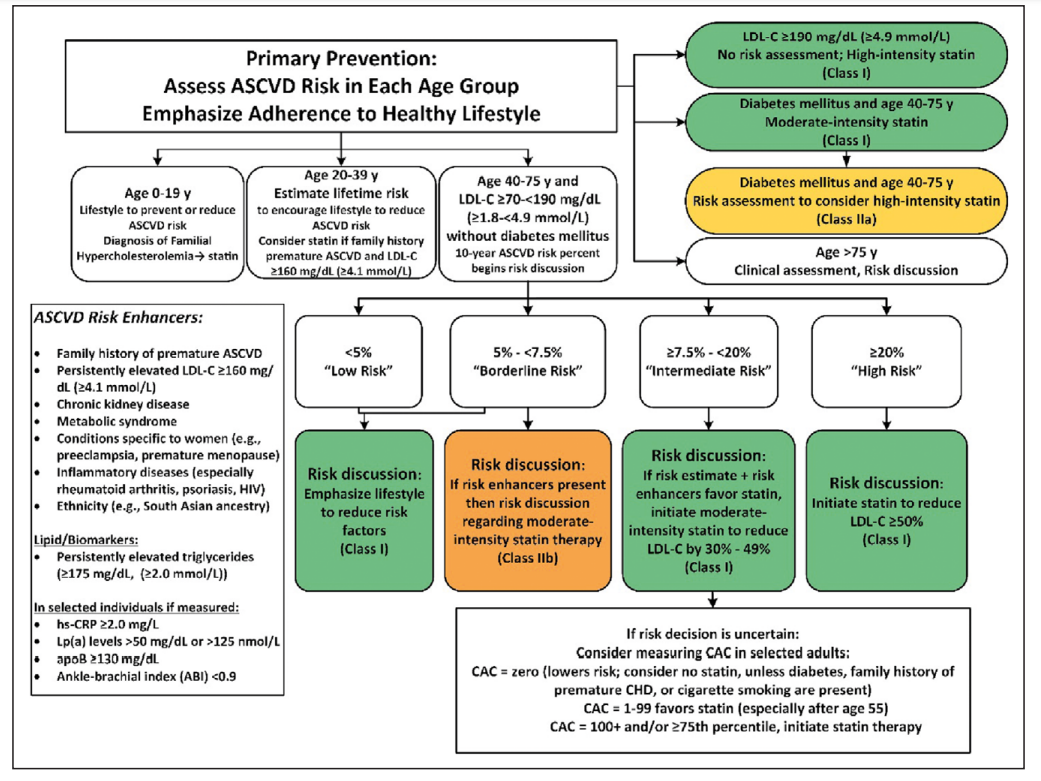
Historical guideline graphic; predates the 2026 guideline.
Statins and individualized medication decisions
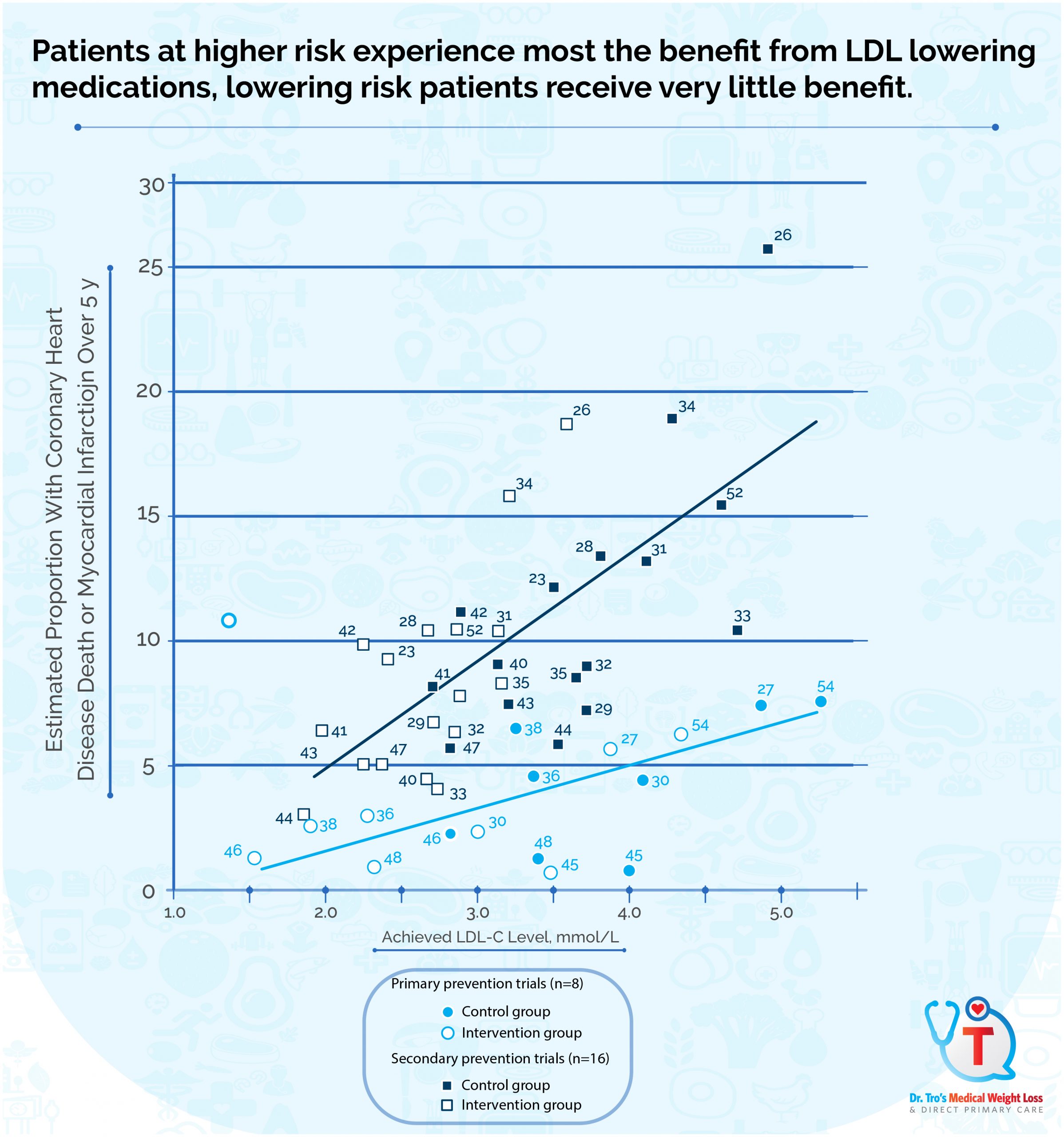
Statins remain first-line medication therapy for many people with established cardiovascular disease and for primary-prevention patients whose calculated risk, LDL-C level, diabetes status, plaque burden, or other risk enhancers suggest a meaningful expected benefit.[1]
The same relative risk reduction can translate into very different absolute benefit depending on baseline risk. A person with established plaque or prior cardiovascular disease generally has more to gain than a person with a low near-term event risk. This is why shared decision-making should include both expected benefit and potential harms—not simply whether a laboratory value falls outside a reference range.
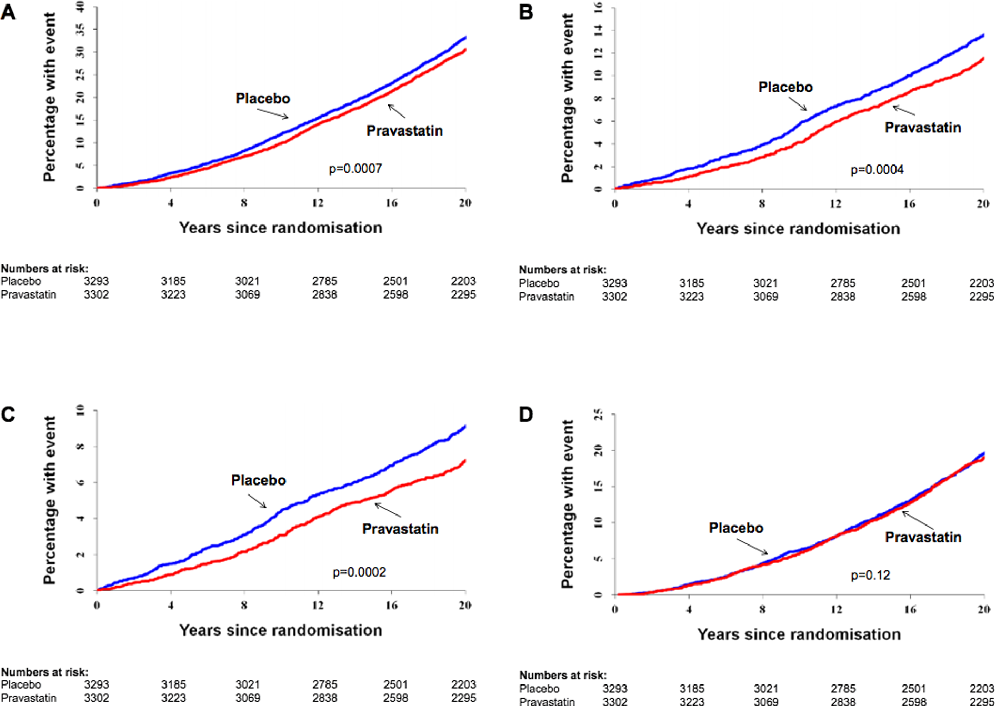
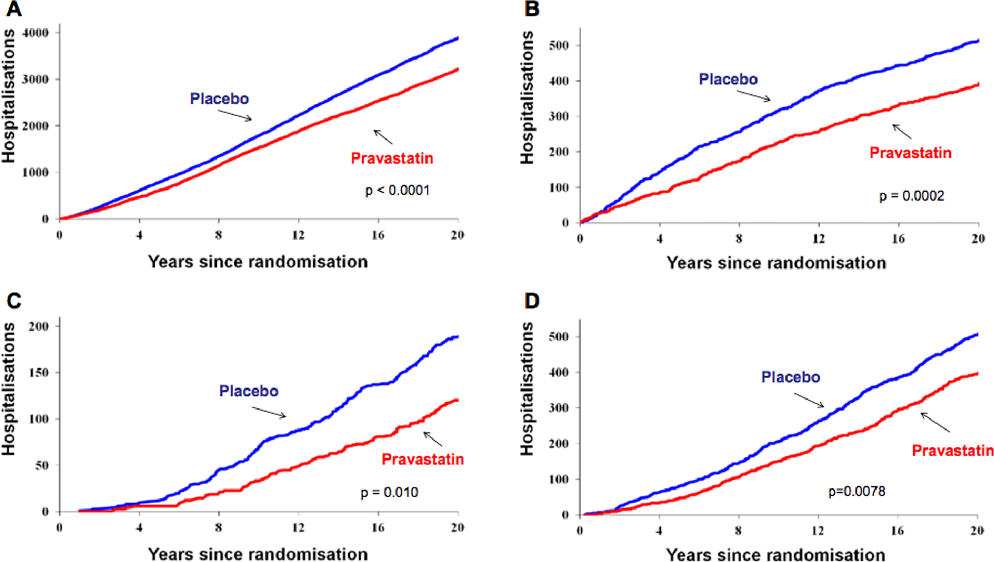
Long-term follow-up of the WOSCOPS randomized trial found persistent benefits after pravastatin treatment in the original trial period, including fewer cardiovascular events and hospitalizations over approximately 20 years.[4]
WOSCOPS hospitalization outcomes
Statins can cause side effects. Muscle symptoms may occur, while serious muscle injury is rare. Statins can modestly increase glucose or A1c in susceptible patients. Clinically important liver injury is rare, although symptoms and laboratory findings sometimes require evaluation. Rare postmarketing reports describe reversible memory symptoms, but prospective randomized trials have not demonstrated that statins cause cognitive decline.[1,3]
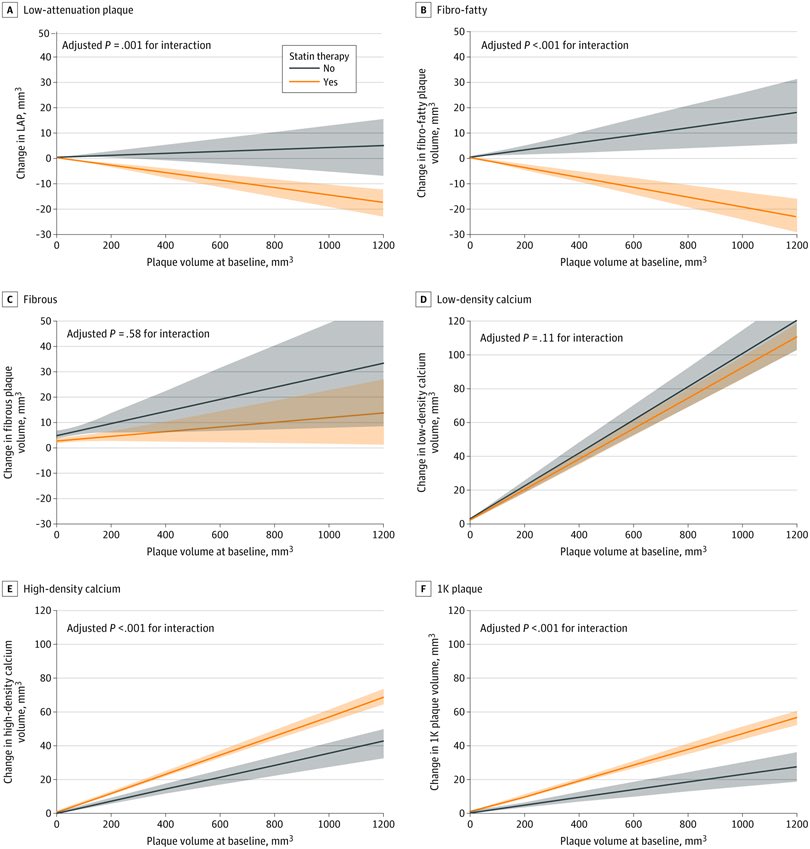
Another original article graphic proposes that statins may stabilize plaque partly by increasing calcification and density. Plaque biology is more complex than any single illustration, and the graphic illustrates one proposed mechanism.
Plaque calcification and stability
When statins are not tolerated or do not lower risk markers enough, options may include ezetimibe, bempedoic acid, PCSK9 monoclonal antibodies, and other therapies selected according to the clinical situation. Medication choice should account for overall risk, the degree and duration of lipid elevation, prior disease, tolerability, cost, and patient preference.[1]
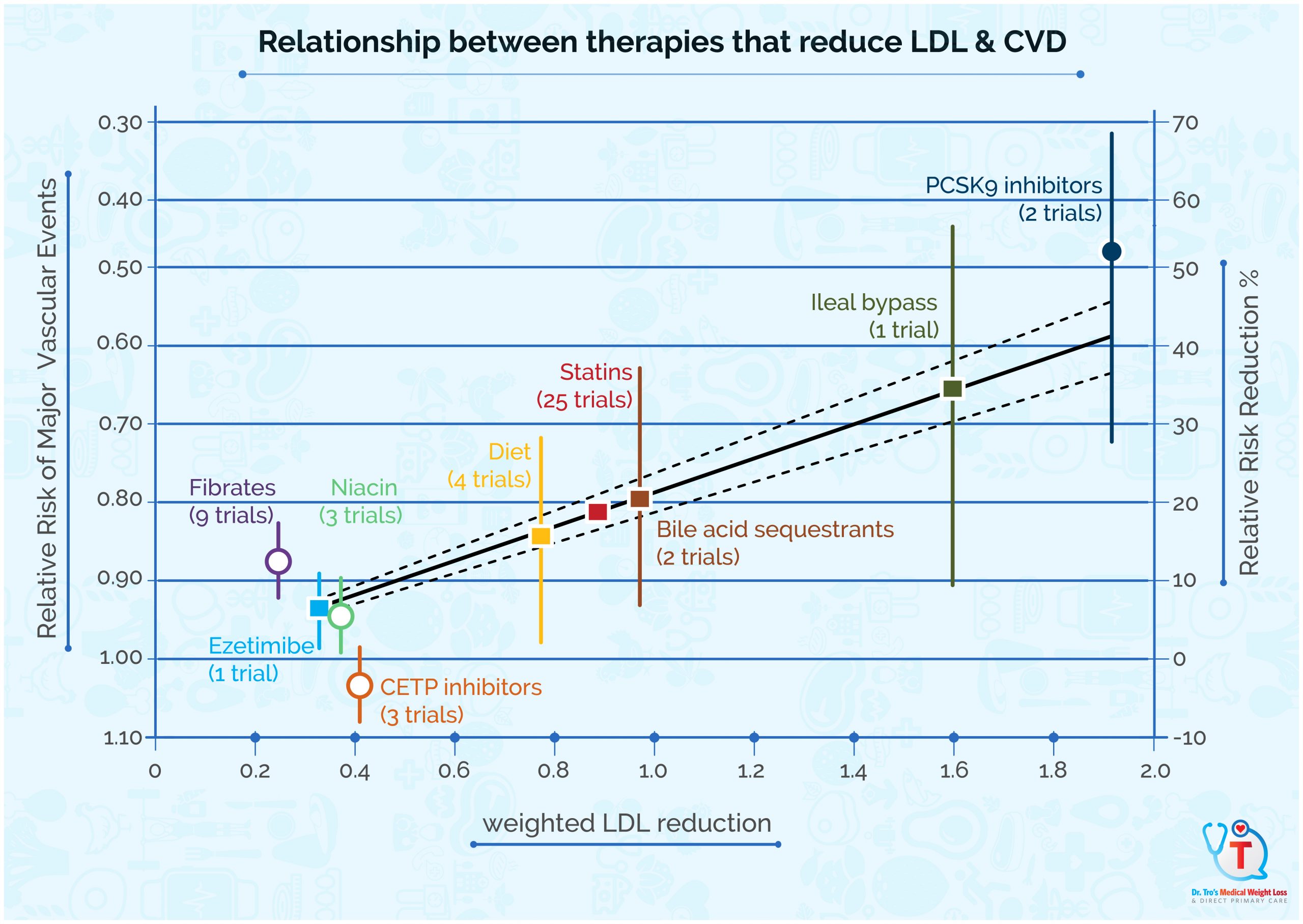
Treatment-benefit comparison
How our view of PCSK9 inhibitors changed:
Toward Health has re-evaluated PCSK9 inhibitors as the evidence has developed. Lowering LDL cholesterol, preventing cardiovascular events and reducing deaths are different outcomes. Our earlier concerns about mortality deserve to be explained alongside our current conclusion.
Early evidence, 2017–2019: FOURIER (2017) reduced major cardiovascular events but did not demonstrate a reduction in all-cause or cardiovascular mortality. Both were numerically higher with evolocumab: all-cause deaths were 3.2% versus 3.1%, and cardiovascular deaths were 1.8% versus 1.7%. Neither difference was statistically significant.
ODYSSEY OUTCOMES and its 2019 mortality analysis need a distinction: all-cause deaths were lower with alirocumab, 3.5% versus 4.1%, but the result was only nominally significant because the trial’s prespecified testing hierarchy had already stopped at a nonsignificant outcome. Cardiovascular mortality was not significantly reduced. The early trials therefore did not establish a consistent, definitive survival benefit across the class.
Why the mortality reanalysis concerned us: A BMJ Open reanalysis, submitted in 2021 and published in December 2022, found discrepancies in FOURIER death classifications using regulatory clinical-study reports. After readjudication, cardiovascular deaths were more frequent with evolocumab (relative risk 1.20; 95% confidence interval 0.95–1.51). This was a concerning signal, although it did not establish that the drug increased mortality. The investigators could not re-evaluate nonfatal events. We regarded the mortality and reporting questions as reasons for caution.
What changed our assessment: We have now reviewed the longer-term and newer evidence:
- FOURIER-OLE (2022) associated earlier evolocumab treatment with fewer cardiovascular events and cardiovascular deaths. These were exploratory comparisons of earlier versus delayed initiation; both groups received evolocumab during the extension.
- The long-term ODYSSEY OUTCOMES analysis (2023) supported sustained cardiovascular benefit and reassuring safety through follow-up of up to five years, with more injection-site reactions than placebo.
- VESALIUS-CV (2026; online 2025) strengthened the evidence in high-risk patients without a previous heart attack or stroke: five-year coronary death, heart attack or ischemic stroke risk was 6.2% versus 8.0%, an absolute difference of 1.8 percentage points.
After this reassessment, we agree that PCSK9 inhibitors such as alirocumab (Praluent) and evolocumab (Repatha) can be effective options for selected patients with coronary artery disease or other high-risk conditions. This updated position reflects the evolving evidence, while keeping cardiovascular-event reduction distinct from a claim of universal survival benefit.
For plaque regression, separate imaging trials, GLAGOV and PACMAN-AMI, found greater coronary plaque regression when a PCSK9 inhibitor was added to statin therapy. These findings do not establish that CAC scores will fall. Treatment remains individualized to disease burden, overall risk, existing therapy, tolerability and patient preferences.
How low-carbohydrate nutrition can affect lipids
Low-carbohydrate nutrition does not produce one universal lipid response.
Many people—particularly those with insulin resistance, high triglycerides, and low HDL-C—experience lower triglycerides, higher HDL-C, improved glucose control, and weight loss. In a randomized controlled feeding trial, a low-carbohydrate dietary pattern improved several features of insulin-resistant dyslipoproteinemia without consistently increasing LDL-C.[8]
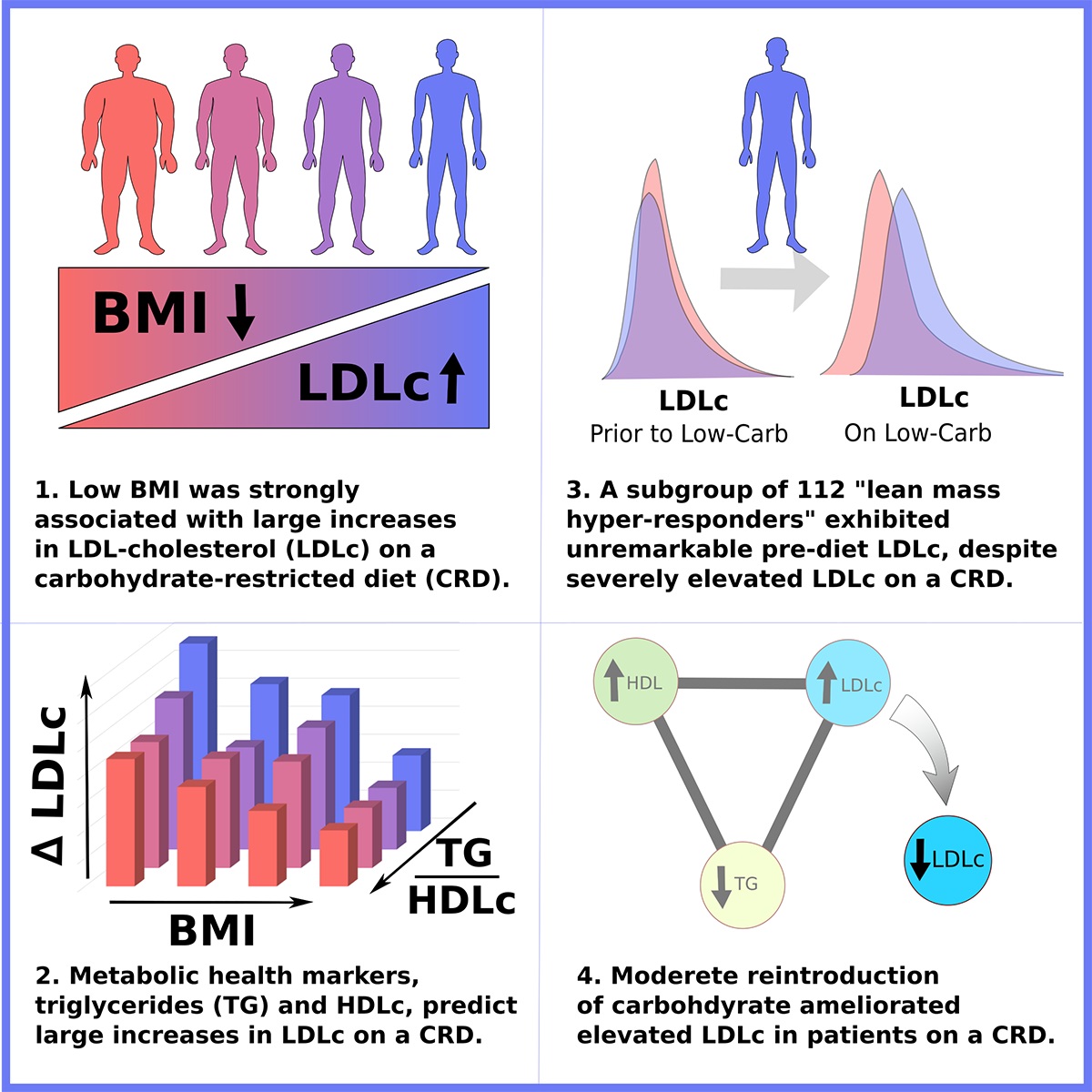
Some people experience little change in LDL-C. Others experience a substantial increase, sometimes alongside weight loss, lower triglycerides, and higher HDL-C. Research involving Dr. Tro Kalayjian and collaborators found that larger LDL-C increases on carbohydrate-restricted diets were associated with lower body mass index, lower triglycerides, and higher HDL-C. The paper also described a small case series in which moderate carbohydrate reintroduction reduced LDL-C.[6]
That finding helps identify a response pattern; it does not establish that a large LDL-C or apoB increase is harmless. Long-term cardiovascular-outcome data for people with marked diet-associated LDL elevation remain limited. When LDL-C rises substantially, the appropriate response is to reassess the full pattern—including apoB, non-HDL-C, Lp(a), family history, other medical causes, and, when appropriate, imaging—and discuss dietary adjustments and medication options rather than relying on a single favorable marker.
Other research adds useful context:
- During Ramadan fasting, adolescents with obesity developed a transient rise in total cholesterol, LDL-C, HDL-C, and hs-CRP, illustrating that lipid results can shift during fasting and active weight change.[7]
- A meta-analysis of controlled feeding trials found that very high fructose intake increased total and LDL cholesterol.[9]
- A controlled study found adverse changes in apoB, triglycerides, LDL-C, and related lipoprotein measures with fructose-containing sugars, with some effects differing among fructose, glucose, and high-fructose corn syrup.[10]
- A 2024 meta-analysis found that LDL-C increases during low-carbohydrate diets were more pronounced in adults with lower BMI, while average effects differed in people with overweight or obesity. This does not by itself identify the mechanism or determine long-term clinical safety.[11]
- In a 90-day ketogenic-diet intervention in adults with type 2 diabetes, Walton, Bikman, and colleagues reported improvements in glycemia, triglycerides, and several other metabolic measures. Its short duration and limited design do not answer whether diet-related LDL-C or apoB changes alter long-term cardiovascular outcomes.[15]
A debated question: does the same LDL-C result always imply the same risk?
Several papers by David Diamond, Benjamin Bikman, and collaborators argue that LDL-C elevations occurring during a low-carbohydrate diet should be interpreted in the context of triglycerides, HDL-C, insulin resistance, blood pressure, inflammation, and other metabolic changes.
In a 2020 narrative review, Diamond, O'Neill, and Volek questioned whether conventional concerns about saturated fat, lipids, and cardiovascular risk apply in the same way to all people following a low-carbohydrate diet.[13] In a 2022 review, Diamond, Bikman, and Mason went further, arguing that statin therapy is not warranted solely for high LDL-C in a person on a low-carbohydrate diet when other metabolic markers are favorable.[12] A 2024 review by Diamond, Mason, and Bikman examined the related concern in people using ketogenic therapy for mental health conditions and argued that potential psychiatric benefits should be weighed against an individualized assessment of cardiovascular risk.[14]
These are specific authors' interpretations of existing evidence—not a settled clinical consensus. They raise reasonable questions about heterogeneity, absolute risk, and the limits of applying population averages to an individual. However, they do not replace randomized cardiovascular-outcome trials, and long-term outcome data in people with marked ketogenic-diet-associated LDL-C or apoB elevations remain limited. The 2026 ACC/AHA guideline continues to treat cumulative exposure to LDL-C and apoB-containing particles as causal and modifiable risk, while recommending that treatment decisions be personalized with overall risk, risk enhancers, and selective imaging.[1]
This tension should be discussed openly. A patient can have important metabolic improvements and a potentially meaningful rise in atherogenic particle burden at the same time. Neither side of that result should be ignored.
Toward Health–associated research
Severe hypertriglyceridemia
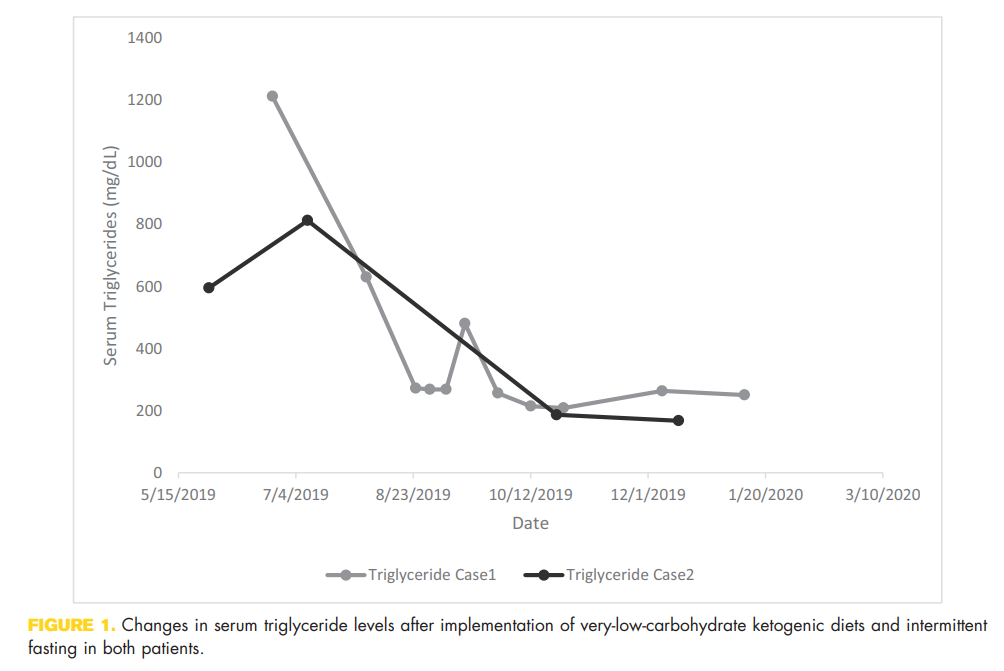
Dr. Tro Kalayjian and colleagues published a case series describing two patients with severe hypertriglyceridemia whose triglycerides fell from levels above 1,000 mg/dL to below 150 mg/dL while using a very-low-carbohydrate ketogenic diet and intermittent fasting under medical supervision.[5]
This is encouraging clinical evidence, but it is a small case series and should not be interpreted as proof that the same approach is safe or sufficient for every patient. Severe hypertriglyceridemia can cause pancreatitis and requires prompt medical evaluation, attention to secondary causes, and individualized treatment.
LDL-C increases with carbohydrate restriction
Dr. Tro Kalayjian and collaborators also published an analysis of LDL-C responses to carbohydrate-restricted diets, including the phenotype sometimes called a “lean mass hyper-responder.” The paper reported substantial variability in LDL-C response and presented a small case series in which moderate carbohydrate reintroduction lowered LDL-C.[6]
Ezetimibe response in ketogenic-diet-associated hypercholesterolemia
In 2026, Laura Buchanan, Tro Kalayjian, Matthew Calkins, and colleagues at Toward Health published a retrospective case series of 14 people with ketogenic-diet-associated hypercholesterolemia who had larger-than-expected LDL-C reductions after starting ezetimibe.[16] Median LDL-C fell by 53.2%, from 254 mg/dL to 127 mg/dL. The cohort was selected because participants had shown a marked response, so the frequency of this response among all ketogenic-diet patients treated with ezetimibe is unknown.
The authors proposed that altered intestinal cholesterol absorption may contribute to hypercholesterolemia in at least some people following a ketogenic diet. This is a clinically relevant and hypothesis-generating finding, not proof of a universal mechanism or evidence that ezetimibe prevents cardiovascular events specifically in this phenotype. Prospective studies are needed.
Metabolic-health pilot and estimated cardiovascular risk
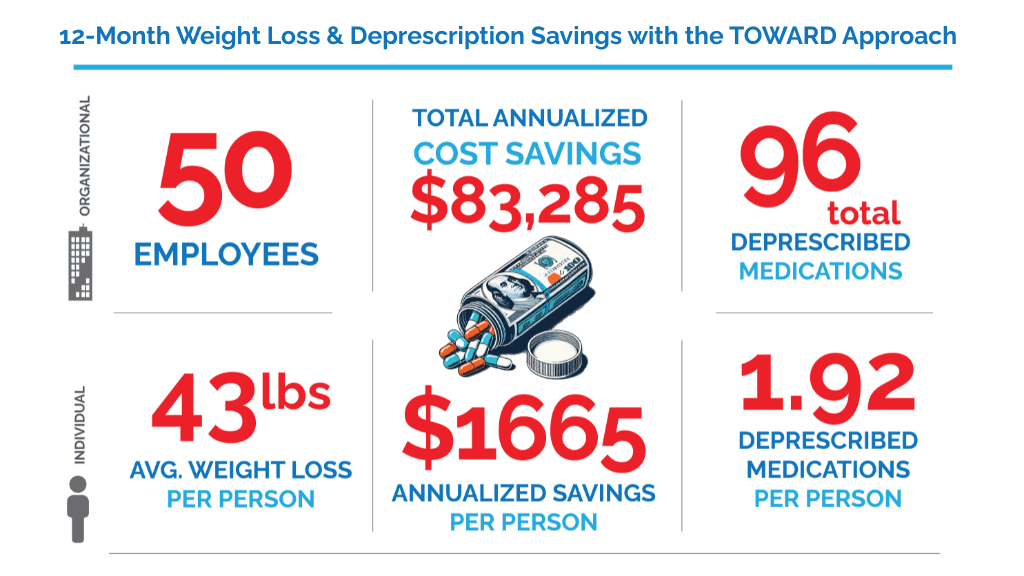
Dr. Tro Kalayjian and colleagues also reported a six-month, community-oriented telemedicine pilot involving 10 employees with obesity, prediabetes, or diabetes.[17] Alongside weight loss and improvements in glycemia, insulin resistance, triglycerides, inflammation, and systolic blood pressure, mean estimated 10-year cardiovascular risk decreased from 9.22% to 5.18%—a 44% relative reduction.
This was a small, uncontrolled employee-wellness pilot, and the change was in a calculated risk estimate rather than observed cardiovascular events. It nevertheless illustrates why a lipid result should be interpreted alongside the broader metabolic-risk pattern.
These Toward Health–associated publications are retained prominently because they directly inform the practical question patients often ask: “Why did my triglycerides improve while my LDL-C rose?” The answer requires individualized interpretation, not reassurance or alarm based on one number alone.
Questions to discuss with your clinician
If you are reviewing a lipid panel—especially after a major dietary or weight change—consider asking:
- What do my LDL-C, HDL-C, triglycerides, and non-HDL-C show as a pattern?
- Would apoB help clarify my atherogenic particle burden?
- Have I had Lp(a) measured at least once?
- Could thyroid disease, diabetes, kidney or liver disease, medications, alcohol, genetics, or active weight loss be affecting these results?
- What is my estimated 10- and 30-year cardiovascular risk?
- Do my family history or other risk enhancers change that estimate?
- Would a CAC scan provide useful information, or would it be unlikely to change the decision?
- What are the expected absolute benefits and possible harms of medication in my situation?
- If my LDL-C or apoB rose on a low-carbohydrate diet, what food-quality or carbohydrate adjustments could we test?
- When should the lipid panel be repeated after a change in nutrition, weight, or medication?
The bottom line
Cholesterol is necessary for life, but prolonged exposure to a high burden of apoB-containing particles contributes to atherosclerosis. At the same time, cardiovascular risk cannot be understood from LDL-C alone.
A thoughtful assessment brings together LDL-C, non-HDL-C, triglycerides, HDL-C, apoB, Lp(a), metabolic health, family history, blood pressure, smoking, diabetes, kidney function, prior disease, and—when useful—coronary calcium. Nutrition remains foundational, and lipid-lowering medication can provide meaningful benefit when matched to the person's risk.
The best plan is neither automatic treatment nor automatic dismissal. It is an informed, individualized decision built from the whole picture.
Companion video
References
Additional evidence
- Blumenthal RS, Morris PB, et al. 2026 ACC/AHA/AACVPR/ABC/ACPM/ADA/AGS/APhA/ASPC/NLA/PCNA Guideline on the Management of Dyslipidemia: A Report of the American College of Cardiology/American Heart Association Joint Committee on Clinical Practice Guidelines. Circulation. 2026;153:e1154-e1276. doi: 10.1161/CIR.0000000000001423
- Mortensen MB, Caínzos-Achirica M, Steffensen FH, et al. Association of Coronary Plaque With Low-Density Lipoprotein Cholesterol Levels and Rates of Cardiovascular Disease Events Among Symptomatic Adults. JAMA Network Open. 2022;5(2):e2148139. Full text
- Newman CB, Preiss D, Tobert JA, et al. Statin Safety and Associated Adverse Events: A Scientific Statement From the American Heart Association. Arteriosclerosis, Thrombosis, and Vascular Biology. 2019;39:e38-e81. doi: 10.1161/ATV.0000000000000073
Source references
- Kashef MA, Giugliano G. Legacy effect of statins: 20-year follow up of the West of Scotland Coronary Prevention Study (WOSCOPS). Global Cardiology Science & Practice. 2016;2016(4):e201635. doi: 10.21542/gcsp.2016.35
- Das S, McCreary J, Shamim S, Kalayjian T. Reversal of severe hypertriglyceridemia with intermittent fasting and a very low-carbohydrate ketogenic diet: a case series. Current Opinion in Endocrinology, Diabetes and Obesity. 2020;27(5):308-311. PubMed
- Norwitz NG, Feldman D, Soto-Mota A, Kalayjian T, Ludwig DS. Elevated LDL Cholesterol With a Carbohydrate-Restricted Diet: Evidence for a “Lean Mass Hyper-Responder” Phenotype. Current Developments in Nutrition. 2022;6(1):nzab144. doi: 10.1093/cdn/nzab144
- Radhakishun N, Blokhuis C, van Vliet M, et al. Intermittent fasting during Ramadan causes a transient increase in total, LDL, and HDL cholesterols and hs-CRP in ethnic obese adolescents. European Journal of Pediatrics. 2014;173(8):1103-1106. PubMed
- Ebbeling CB, Knapp A, Johnson A, et al. Effects of a low-carbohydrate diet on insulin-resistant dyslipoproteinemia—a randomized controlled feeding trial. American Journal of Clinical Nutrition. 2022;115(1):154-162. doi: 10.1093/ajcn/nqab287
- Zhang YH, An T, Zhang RC, Zhou Q, Huang Y, Zhang J. Very High Fructose Intake Increases Serum LDL-Cholesterol and Total Cholesterol: A Meta-Analysis of Controlled Feeding Trials. The Journal of Nutrition. 2013;143(9):1391-1398. Full text
- Hieronimus B, Medici V, Bremer AA, et al. Synergistic effects of fructose and glucose on lipoprotein risk factors for cardiovascular disease in young adults. Metabolism. 2020;112:154356. doi: 10.1016/j.metabol.2020.154356
- Soto-Mota A, Flores-Jurado Y, Norwitz NG, et al. Increased low-density lipoprotein cholesterol on a low-carbohydrate diet in adults with normal but not high body weight: a meta-analysis. American Journal of Clinical Nutrition. 2024. Publisher page
Additional Diamond, Bikman, and Toward Health evidence requested for this project
- Diamond DM, Bikman BT, Mason P. Statin therapy is not warranted for a person with high LDL-cholesterol on a low-carbohydrate diet. Current Opinion in Endocrinology, Diabetes and Obesity. 2022;29(5):497-511. doi: 10.1097/MED.0000000000000764; PubMed
- Diamond DM, O'Neill BJ, Volek JS. Low carbohydrate diet: are concerns with saturated fat, lipids, and cardiovascular disease risk justified? Current Opinion in Endocrinology, Diabetes and Obesity. 2020;27(5):291-300. doi: 10.1097/MED.0000000000000568; PubMed
- Diamond DM, Mason P, Bikman BT. Are mental health benefits of the ketogenic diet accompanied by an increased risk of cardiovascular disease? Frontiers in Nutrition. 2024;11:1394610. doi: 10.3389/fnut.2024.1394610; PubMed
- Walton CM, Perry K, Hart RH, et al. Improvement in Glycemic and Lipid Profiles in Type 2 Diabetics with a 90-Day Ketogenic Diet. Journal of Diabetes Research. 2019;2019:8681959. doi: 10.1155/2019/8681959; PubMed
- Gonzalez J, Wageman J, Buchanan L, Kalayjian T, Calkins M, Saner E, Soto-Mota A. Increased LDL-C reduction with ezetimibe in ketogenic diet-induced hypercholesterolemia. Lipids in Health and Disease. 2026;25:187. doi: 10.1186/s12944-026-03034-w
- Norwitz NG, Soto-Mota A, Kalayjian T. A Company Is Only as Healthy as Its Workers: A 6-Month Metabolic Health Management Pilot Program Improves Employee Health and Contributes to Cost Savings. Metabolites. 2022;12(9):848. doi: 10.3390/metabo12090848; PMC full text