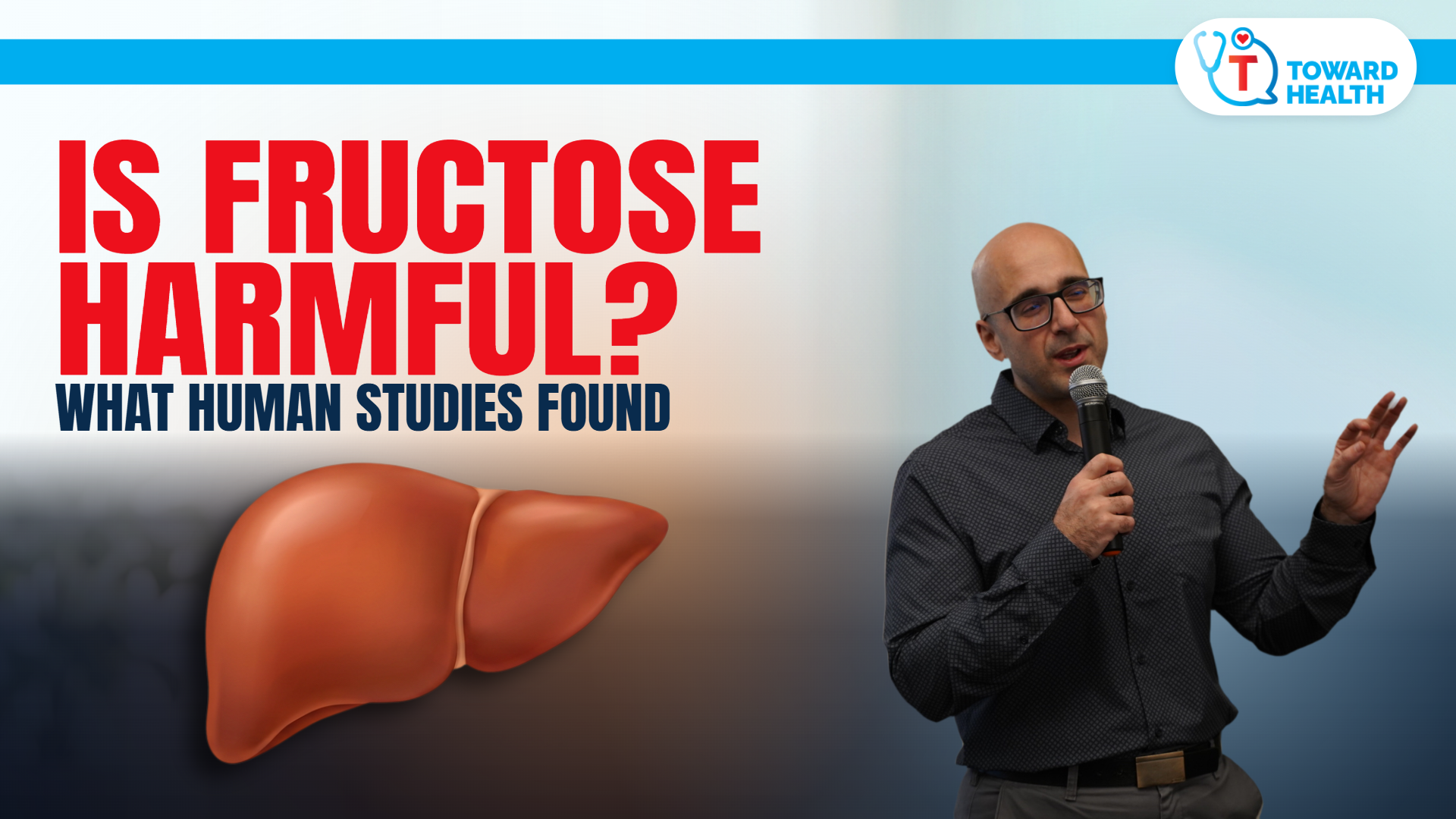

Dr. Robert Lustig explains why fructose and glucose are not metabolically interchangeable, and why the liver matters.
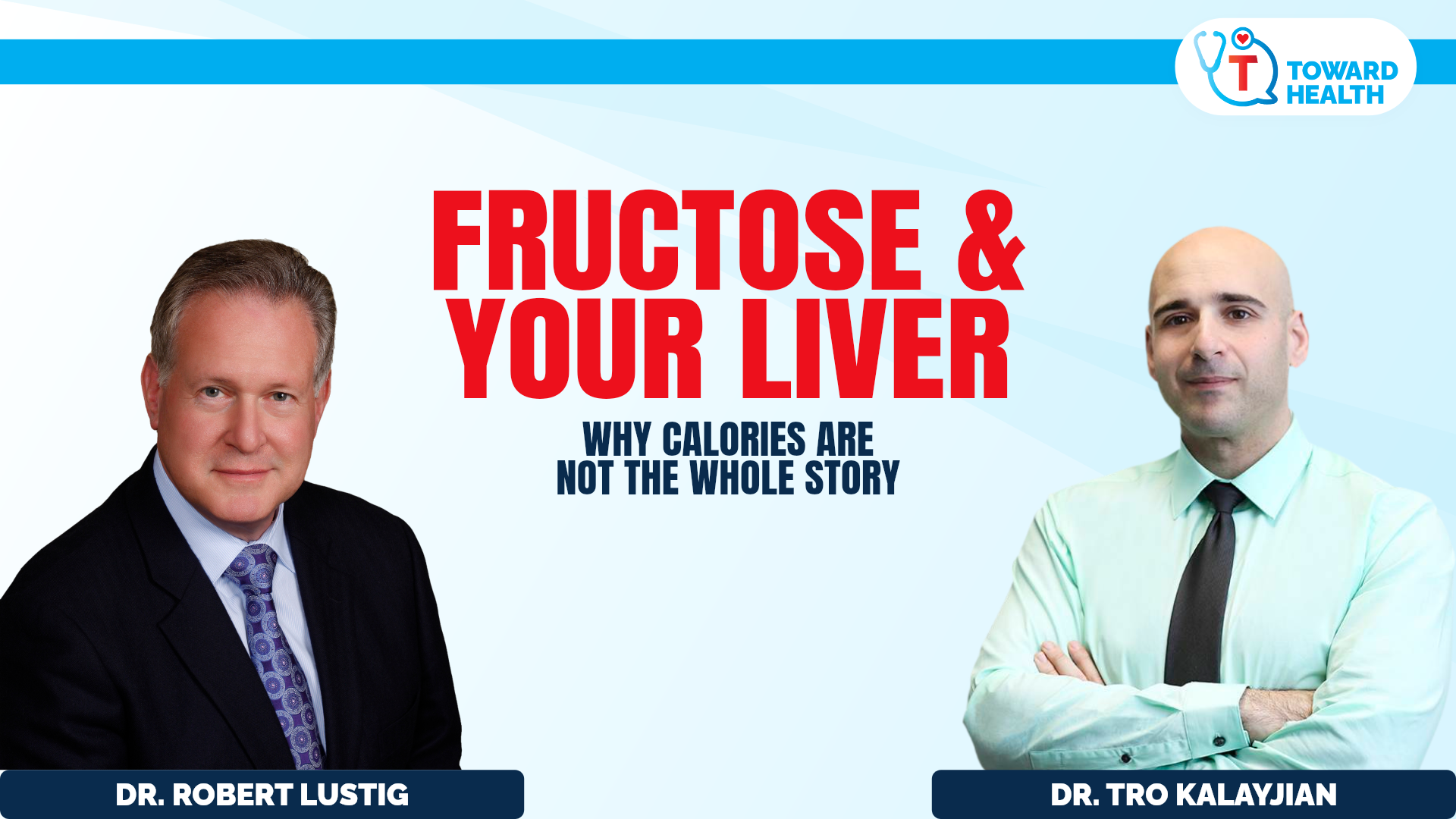
Original LowCarbMD air date: May 6, 2024. Interview guest: Dr. Robert Lustig.
Updated October 1, 2026, with a short excerpt and a link to our newer research article.
Two foods can provide the same number of calories and still take different paths through the body. In this short excerpt from our conversation with Dr. Robert Lustig, he explains why he pays particular attention to fructose and the liver's energy systems.
Dr. Lustig is a pediatric endocrinologist and a professor at the University of California, San Francisco. His work has focused on how sugar and processed food affect metabolic health. He joins Dr. Tro in LowCarbMD episode 337.
What you will hear in the short
Dr. Lustig describes his view of how fructose can affect enzymes involved in mitochondrial function and fat metabolism. It is a mechanistic explanation from the interview. The excerpt does not itself compare equal-calorie diets in people, and it does not show that eating fruit causes a particular disease.
Read the newer research
That distinction matters because the companion research question is more specific: when researchers hold calories and body weight steady, does replacing another carbohydrate with fructose change liver metabolism? Dr. Tro's article, Fructose Is More Than a Calorie, walks through controlled human feeding studies and what they found about liver fat, fat production in the liver, and hepatic insulin sensitivity. It also explains the limits of the evidence.
Watch the short for Dr. Lustig's explanation, then read the article for the human trial data. Together, they offer two useful ways to ask what a calorie count can and cannot tell you about a food.