
Changing how you eat can also change the questions you have about hydration and electrolytes. This guide explains the role of sodium, potassium and magnesium on a ketogenic diet, then brings together food sources, supplement notes and the medical cautions to discuss with your clinician.
Why electrolytes matter on keto
Electrolytes are essential to health. They help us maintain fluid balance in and around our cells, as well as a healthy blood pressure. They are also crucial to facilitating muscle contraction and conducting nerve impulses. To put it plainly, electrolyte balance is largely responsible for keeping us alive and feeling well! While our bodies are very good at regulating electrolyte levels, there will be an adaptive period during major dietary changes, particularly when you are transitioning from an unhealthy SAD diet filled with processed foods to a healthy low-carb diet that has far less sodium in it.
While most people associate their salt shaker at home or on the table at a restaurant as being their primary source of salt, the truth is that 71% of the average person’s salt intake comes from processed foods. Only 11% of the salt most people ingest comes from doctoring food at the table or during preparation at home. The remainder is found naturally in foods ranging from meat, milk and yogurt to tropical fruits and vegetables.
Incredibly, 40% of the sodium people consume comes from deli meat sandwiches, pizza, breads/rolls, burritos/tacos, soups, and chips/crackers/popcorn. The scare mongering around salt may be understandable from the perspective of the Standard American Diet (the “SAD” diet), which is a combination of high fat, high sugar and high salt – and quite bad for health. But, if you start eating a healthy low-carb diet, you will likely need to make an effort to increase your salt intake and get back to using the good ole salt shaker!
Most people are shocked when they hear this because we are so frequently told by health experts and doctors that we need to cut back on salt. The American Heart Association recommends no more than 2,300mg per day with an ideal target of 1,500mg. The truth is if you are on a low-carb or ketogenic diet then you need more than this.
Sodium levels are primarily kept in very tight ranges by your kidneys, brain, and adrenal glands so that the amount of salt circulating in your blood doesn’t fluctuate too much.
Why can sodium needs change when you move from a diet high in processed foods to a low-carbohydrate diet? Insulin and sodium retention are part of the explanation.
You will frequently hear people in medicine say “we don’t know where HTN comes from”. However, this is often the reason why; The SAD diet causes your body to produce higher levels of insulin, which causes your body to retain extra sodium and water, often leading to hypertension (HTN) and lower extremity swelling.
Low-carb diets increase the loss of sodium/water through the kidneys by dropping insulin levels, so a new equilibrium needs to be established. If you don’t reach a new equilibrium then your body may find itself with an imbalance of electrolytes. Electrolyte imbalances can cause fatigue, lightheadedness, headaches and even difficulty concentrating. These symptoms are what people call the “Keto Flu”!
The kidneys respond to low salt levels by excreting more potassium and trying to hold onto the sodium. Potassium is crucial for many things including building and maintaining muscle. This is just one example of compounding negative effects from low salt.
The good news is that Keto Flu is TREATABLE! The solution for most people is to start supplementing electrolytes, especially sodium. The amount you need to substitute will be specific to you, and will certainly be higher if you are exercising or doing anything that makes you sweat a lot.
Before you change your electrolyte intake
First and foremost, if you have one of the following conditions then you must speak with your medical provider to find out what a safe level of salt consumption is for you:
- Heart failure
- Kidney disease
- Hypertension (HTN)
Regarding HTN, up to 50% of people with HTN and up to 25% of individuals with normal blood pressure may have salt sensitivities. However, as mentioned above, sometimes the sensitivities are due to insulin problems and will resolve themselves over time as insulin levels drop.
Also worth noting, a Cochrane review (one of the most trusted organizations for medical topic reviews), found that reduced salt intake lowered systolic BP by about 4mmHg in hypertensive individuals and diastolic BP of 0.9mmHG in normotensive individuals. In both cases these amounts are negligible. We see much larger drops in systolic/diastolic BP in people transitioning from a SAD to a low-carb diet.
Sodium: intake and food sources
To start, since NaCL is roughly 40% sodium, 5 grams of salt or 1 teaspoon contains about 2 grams of sodium. In clinical experience, while people are on a low-carb diet they feel best when consuming between 3 and 7 grams of sodium per day (2 to 3 teaspoons of salt). This is especially true during the first few weeks while your body is adapting.
At a minimum, you should be ingesting 2-3 grams of sodium per day (approximately 1 teaspoon). Also, don’t forget to increase your water intake and stay well-hydrated! Unsweetened tea, coffee, seltzer, and other healthy beverages should be consumed until your urine is mostly clear.
The food and preparation ideas below show where sodium can come from. Use them alongside the intake guidance and medical cautions above.
- If you like olives, pickles and sauerkraut – eat them liberally!
- Choose standard rather than low-sodium sauces and seasonings for cooking.
- Drink 1-2 cups of bouillon or broth daily (1g of sodium per cup). Try to find a bouillon without sugar or maltodextrin added.
- Add 1-2 teaspoons of salt in daily food preparation or at the table – be liberal with the salt shaker!
- Feel free to put table-salt straight into a glass of water a few times per day, or, simply add 1 teaspoon to a liter of water and drink it over the course of the day
- Use LMNT or some other electrolyte mix to supplement. 1 packet of LMNT has 1g of sodium. My preference is to use the unflavored one and then add my own lemon/lime juice to give it a subtle flavor (I also add my magnesium powder to this mix to kill two birds with one stone)
Exercise and sweating
You’re going to need to supplement more salt if you are exercising or doing anything that makes you sweat for prolonged periods. Also, to help avoid muscle fatigue, take ½ teaspoon of salt (1g of sodium) within 30 minutes to 1 hour before exercising. If you find yourself feeling more sluggish than usual during the first 5-15 minutes of hard exercise, then drinking 1-2 cups of water five minutes before starting can help.
Potassium: symptoms and food sources
Some signs of low potassium include muscle cramps, twitching, palpitations, and increased awareness of your heart beat. In general, people are deficient in potassium. The daily need for potassium is between 3-4.7 grams. Average intake of potassium per day is just under 2 grams! Straight potassium supplementation is usually avoided due to potential toxicity. However, obtaining potassium from electrolyte mixes like LMNT is safe as long as you do not have the above medical conditions (heart failure, kidney disease, hypertension).
I commonly hear “I eat bananas for potassium.” There is as much potassium in 4 oz of meat as there is in a medium banana or 8 ounces of orange juice! With meat, you are getting the benefit of protein and other nutrition with the potassium vs. a spike in your blood sugar that will likely occur with the banana or orange juice. Juice is no different than soda, and it is toxic to the body! (As a side note, I do not recommend juice for kids – or any other sugar sweetened beverage.)
If you boil vegetables or do not eat the meat drippings, then you lose a lot of potassium. You can try to mitigate this potassium loss by steaming or sauteing vegetables instead of boiling them, or by drinking the boiled water.
Good Food Sources:
- Salmon, meat, flounder
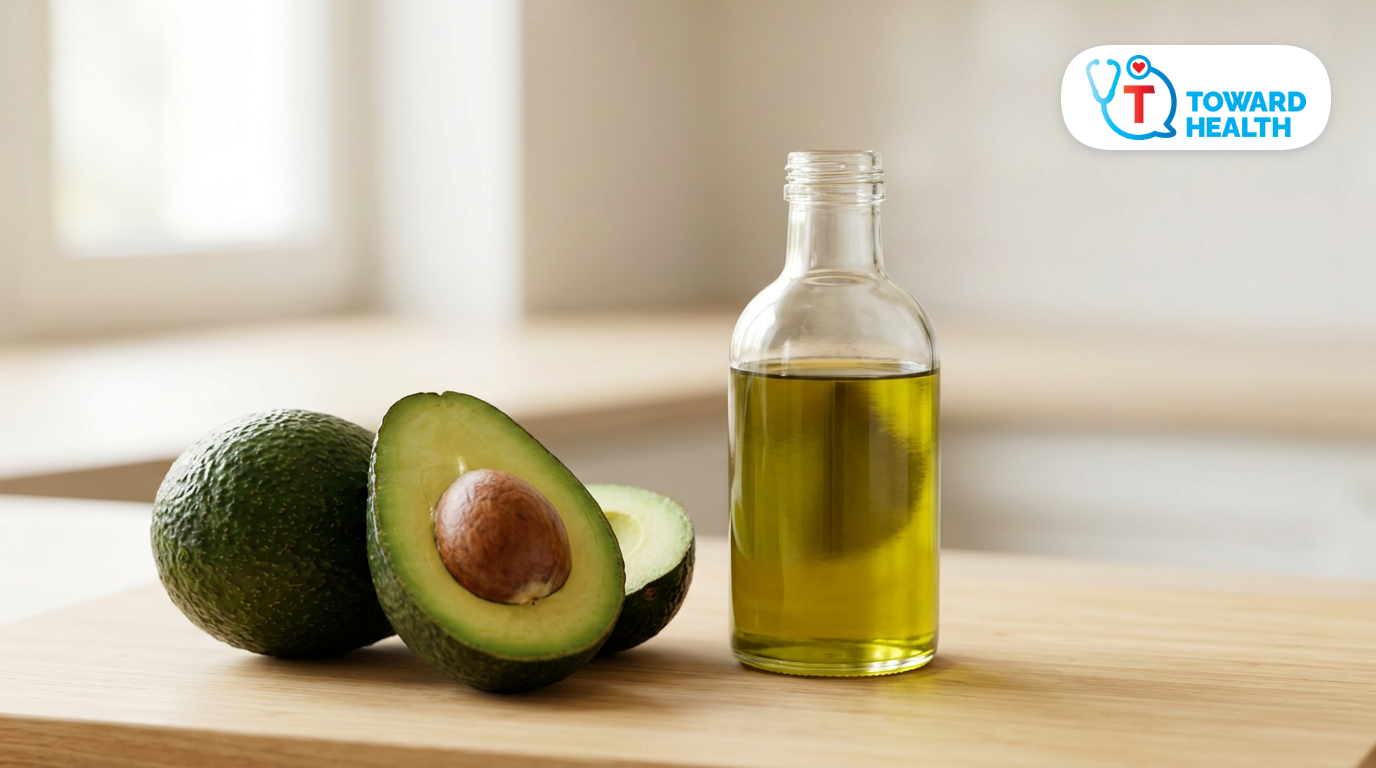
- Avocado, leafy greens, mushrooms
- Brussels sprouts, broccoli, artichoke, hemp seeds and almonds
Magnesium: symptoms, food and supplements
People who have kidney disease need to discuss magnesium supplementation with their medical provider.
Common signs of magnesium deficiency include muscle cramping or twitching at night or after exercise. As you may have noticed, many of the symptoms of electrolyte deficiencies overlap. For example, dehydration, low potassium, or low sodium can also cause these symptoms. However, at least 50% of the population is magnesium deficient and if you are suffering from nocturnal/post-exercise muscle cramps, you can often reverse this issue with supplementation.
The recommended daily allowance (RDA) for magnesium is between 360 – 420 mg per day.
Blood tests are not very helpful in determining if you are magnesium deficient as most of the magnesium in our body is in our cells and not in the liquid portion of our blood. However, if you do have a blood test showing you are deficient, then you are definitely deficient throughout your entire body. However, if it is “normal”, then you may still be deficient in your cells and bones.
This protocol from Dr. Phinney can be helpful for people:
Take 3 slow-release mg tablets daily for 20 days – most cramps stop within 2 weeks of starting slow-release. However, you should continue taking the supplement for 20 days.
If cramps return, take the supplement again for 20 more days, and then continue taking one tab per day.
If the cramps still return, increase to 2 tabs per day (Do not do this without your doctor's supervision if you have kidney disease.)
Comparing magnesium forms
Magnesium citrate is well absorbed. However, it may cause diarrhea. This can be helpful if you are also struggling with constipation. Magnesium chloride and Magnesium glycinate (aka bisglycinate or diglycinate) is less likely to cause loose stools or other gastrointestinal side effects than magnesium oxide or citrate. People typically take anywhere from 192 mg to 400 mg daily of magnesium chloride and up to 600 mg daily of magnesium glycinate, although a typical maintenance dose of magnesium glycinate is around 200 mg per day.
Why do I take 200mg of magnesium glycinate? Well, it is likely that over 50% of individuals are magnesium deficient, so I might be in that 50%! Magnesium is important for so many things in the body and has been linked to blood pressure, cardiovascular disease risk, type 2 diabetes, osteoporosis, and migraine headaches. Further, magnesium supplementation is often the first treatment I use to prevent migraines. We have seen good results using it for this, particularly with people on ketogenic diets.
Good food sources of magnesium include:
- Mackerel
- Hemp, pumpkin, chia seeds, almonds
- Avocado, artichoke, leafy greens
- Dark chocolate
Supplement links and product notes
In general, with supplements, it is important to verify anything you are taking with a trusted site like Labdoor or Consumer Lab to assess their quality. Additionally, if the supplement has USP on the bottle, you can also trust it.
The options below include electrolyte blends and several forms of magnesium. Review the product and formulation with your clinician before choosing an option.
- SALTT: Electrolyte mix with 969mg of sodium, 415mg potassium, and 178mg magnesium
- Keto Chow Fasting Drops
- Keto Chow (magnesium chloride drops and pills): 200 mg; ½ teaspoon = ~3 Slow-Mag tablets
- Magnesium chloride supplement
- Liquid magnesium chloride supplement: You can add lemon/lime juice to make it more palatable. 1 teaspoon = 2 Slow-Mag tablets
- Seeking Health Magnesium Glycinate Powder: This is the one I take.
References
- Adler AJ, Taylor F, Martin N, Gottlieb S, Taylor RS, Ebrahim S. Reduced dietary salt for the prevention of cardiovascular disease. Cochrane Database of Systematic Reviews. 2014;(12). doi:10.1002/14651858.CD009217.pub3
- CDC. Sodium and Food Sources. Centers for Disease Control and Prevention. Published August 23, 2022. Accessed February 27, 2023. https://www.cdc.gov/salt/food.htm
- Horita S, Seki G, Yamada H, Suzuki M, Koike K, Fujita T. Insulin Resistance, Obesity, Hypertension, and Renal Sodium Transport. Int J Hypertens. 2011;2011:391762. doi:10.4061/2011/391762
- Office of Dietary Supplements – Magnesium. Accessed February 27, 2023. https://ods.od.nih.gov/factsheets/Magnesium-HealthProfessional/
- Plain C. Majority of Sodium in American Diet Comes from Packaged and Restaurant Foods – School of Public Health – University of Minnesota. School of Public Health. Published May 18, 2017. Accessed February 27, 2023. https://www.sph.umn.edu/news/majority-sodium-american-diet-comes-packaged-restaurant-foods/
- Rosanoff A, Weaver CM, Rude RK. Suboptimal magnesium status in the United States: are the health consequences underestimated? Nutr Rev. 2012;70(3):153-164. doi:10.1111/j.1753-4887.2011.00465.x
- Taylor RS, Ashton KE, Moxham T, Hooper L, Ebrahim S. Reduced dietary salt for the prevention of cardiovascular disease: a meta-analysis of randomized controlled trials (Cochrane review). Am J Hypertens. 2011;24(8):843-853. oi:10.1038/ajh.2011.115
- Tiwari S, Riazi S, Ecelbarger CA. Insulin’s impact on renal sodium transport and blood pressure in health, obesity, and diabetes. American Journal of Physiology-Renal Physiology. 2007;293(4):F974-F984. oi:10.1152/ajprenal.00149.2007
- Volek JS, Phinney SD, Kossoff E, Eberstein J, Moore J. The Art and Science of Low Carbohydrate Living: An Expert Guide to Making the Life-Saving Benefits of Carbohydrate Restriction Sustainable and Enjoyable. Lexington, KY: Beyond Obesity; 2011.
- Volek JS, Phinney SD. The Art and Science of Low Carbohydrate Performance a Revolutionary Program to Extend Your Physical and Mental Performance Envelope. Lexington, Ky: Beyond Obesity LLC; 2012.
- Whelton PK. Sodium and Potassium Intake in US Adults. Circulation. 2018;137(3):247-249. doi:10.1161/CIRCULATIONAHA.117.031371