
Making a health change is easier when you do not have to do it alone. A supportive community can provide encouragement, perspective, shared purpose, and accountability when motivation changes from day to day.
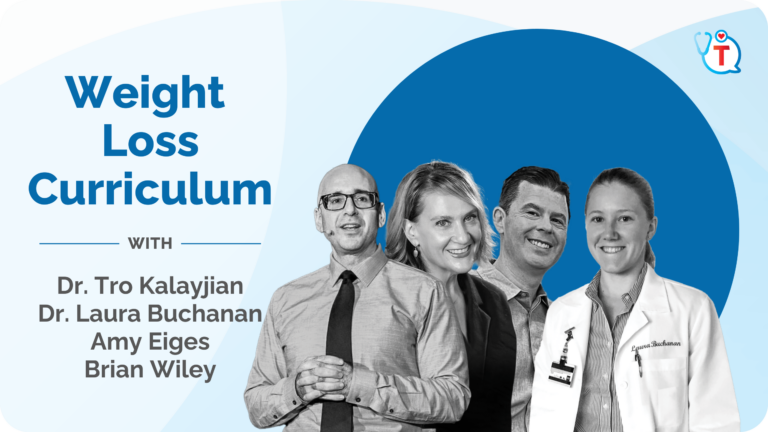
In this short lesson, Dr. Tro Kalayjian explains why community is Lever 9 in Toward Health’s Ten Levers framework. Support can come from many places: friends or family, a coach, a workplace, a fitness group, a faith community, or another group organized around a shared goal.
What this lesson covers
- Why support outside yourself can make healthy routines easier to sustain
- How community can reinforce motivation, resilience, and consistency
- Practical ways to build accountability through a friend, coach, group, or tracking system
Start with one source of support
Community does not have to mean joining a large program. It can begin with one person who knows what you are working toward and checks in regularly. Choose a form of support that fits your life and helps you return to your plan after a difficult day.
Research supports the practical value of connection. In the Nurses’ Health Study, frequent religious-service attendance was associated with lower all-cause, cardiovascular, and cancer mortality among women; social support was one potential mediator. A 2025 randomized clinical trial also found better weight-loss maintenance with an intervention delivered by trained mentors and peers than with professionally delivered standard care.
Video transcript
One of the things I want to mention—and the next lever here—is building community. This is very important. Our app can serve as a community for you, but you can find community anywhere you go.
It could be your workplace and connecting. It could be at a local gym. It could be a religious institution. It could be a group that you attend. But it’s important to find community.
This is a study I want to share with you from the Nurses’ Health Study, which showed that nurses who visited their local religious institution more frequently had fewer heart attacks, fewer strokes, and less disease overall.
Now, I’m not telling you to go become religious. That’s not my point. You can join any group and likely get the same benefit. Maybe join a group fitness class, and you may be able to attain some of these benefits.
The importance of community cannot be understated. It helps support your lifestyle. It’s a check outside of yourself. It’s a source of motivation, resilience, and shared purpose. Whether it’s a friend or coaching, all of these things can help you be more accountable and consistent with your overall health.
There are some studies that I didn’t share with you. Married men live longer than married women. Why is that? They have a support system, often encouraging them to get help and take care of themselves.
Those who visit their local group fitness classes live longer. Why is that? Most likely because they have a community that’s reminding them about their health. Or, as in the study I shared with you, if you visit your religious institution, you have a community to ensure that your health is being accounted for outside of your own experience.
References
- Li S, Stampfer MJ, Williams DR, VanderWeele TJ. Association of Religious Service Attendance With Mortality Among Women. JAMA Internal Medicine. 2016;176(6):777–785. https://doi.org/10.1001/jamainternmed.2016.1615
- Leahey TM, Gorin AA, Huedo-Medina TB, et al. Patient-Delivered Continuous Care for Weight Loss Maintenance: A Randomized Clinical Trial. JAMA Internal Medicine. 2025;185(7):767–776. https://doi.org/10.1001/jamainternmed.2025.1345