
In a March 16, 2026 episode of the LowCarbMD podcast, Dr. Tro spoke with Dr. Alan Schaffer, a sleep and pulmonary medicine physician at St. Peter’s Sleep Center. One practical moment in their conversation addresses a concern many people have before trying CPAP: what wearing the mask will actually feel like.
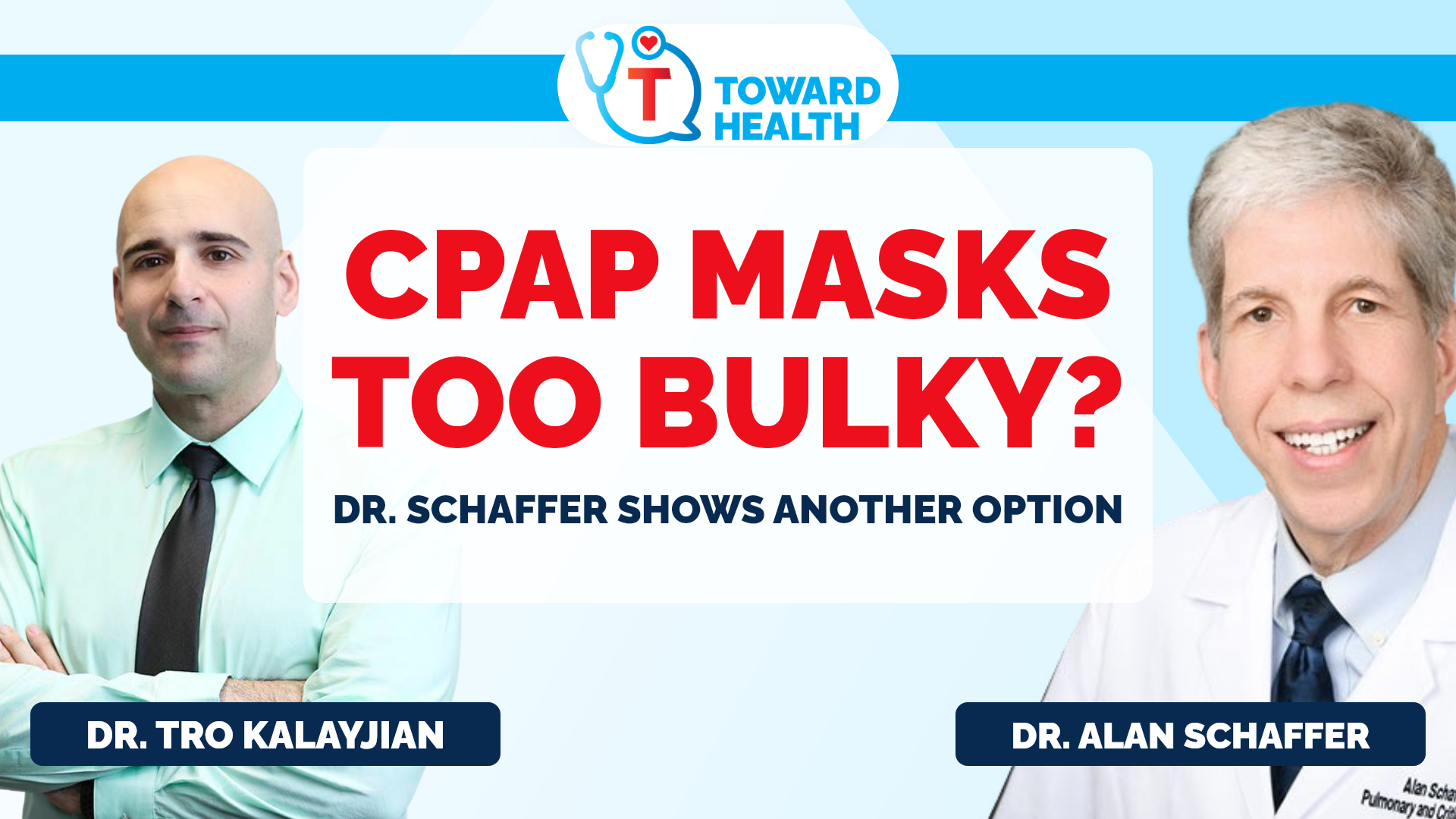
Watch the CPAP mask demonstration
In this two-minute excerpt, Dr. Tro asks about the bulky “Darth Vader” image some patients have of CPAP. Dr. Schaffer shows the nasal-cushion mask he uses, including the cushion at the nose and the hose connection above his head. He also explains why showing patients the equipment can make a conversation about treatment easier. This is his example of one mask, not a recommendation that the same setup fits everyone.
Excerpt from Sleep Medicine and Metabolic Health | Dr. Alan Schaffer – E434, originally released March 16, 2026. This standalone Short shows the focused CPAP mask demonstration. Watch the full interview for the broader discussion.
Why this conversation matters
A treatment can sound intimidating before someone sees what it involves. In the clip, Dr. Schaffer responds to that hesitation by showing a real mask and answering a practical question. The next step for any individual depends on their own sleep evaluation and discussion with a clinician.
Sleep apnea is only one possible reason sleep is disrupted. If you snore loudly, wake gasping, or feel sleepy while driving, those symptoms deserve attention. Our guide, Better Sleep Is Part of Better Metabolic Health, explains how to recognize sleep problems and build a broader plan for rest and metabolic health.
Bring the night and the next day into the same visit
Toward Health’s Sleep Protocol asks readers to keep a two-week diary of sleep timing, awakenings, naps, caffeine, meals and exercise. For someone struggling with CPAP, add what made the mask difficult to wear and how you felt the following day. That gives your sleep clinician a specific problem to work on rather than simply reporting that treatment “didn’t work.”
Our protocol also connects sleep with appetite and insulin sensitivity. A night of disrupted sleep belongs in the discussion of next-day hunger and glucose patterns. The diary helps organize that conversation; it does not diagnose sleep apnea or replace assessment of a poorly tolerated treatment.
About Dr. Alan Schaffer
Dr. Schaffer practices with St. Peter’s Health Partners and specializes in sleep medicine and pulmonary care. His official provider profile lists his training and clinical specialties.