
Blood sugar and ketones tell us which fuels are available and how the body is responding to them. They should not be viewed as two unrelated numbers.
After a carbohydrate-rich meal, glucose generally rises and insulin directs the body to use or store that incoming energy. When carbohydrate availability and insulin fall, fatty acids become more available and the liver converts some of them into ketones. The body shifts from relying heavily on recently eaten glucose toward using more fat and ketones.[1–4]
This metabolic shift happens during fasting, carbohydrate restriction, prolonged exercise and other periods when glucose is less available. A well-formulated low-carbohydrate or ketogenic diet uses this normal pathway deliberately. For many people, reducing sugar and refined carbohydrate intake can support appetite control, weight loss, steadier glucose, lower insulin demand and broader metabolic improvement.[5–10]
The goal is not to produce the highest ketone number possible. The goal is to use nutritional ketosis as a tool in the context of good nutrition, safe glucose levels, symptom improvement and the health outcome you are trying to achieve.
Watch: Ketones and how low carb works
What are ketones?
The liver makes three ketone bodies:
- Beta-hydroxybutyrate, or BHB: the main ketone measured by a blood ketone meter.
- Acetoacetate: the ketone detected by urine test strips.
- Acetone: a breakdown product that leaves partly through the breath and is estimated by breath ketone devices.
Ketones are made primarily from fatty acids. Those fatty acids may come from stored body fat or from fat in food. As insulin falls, stored fat becomes more available, and the liver increases ketone production.[1–4]
Ketosis does not mean that every cell stops using glucose or that the body runs on ketones alone. Human metabolism always uses a mixture of fuels. Red blood cells, for example, require glucose because they do not have mitochondria. The liver makes ketones for other tissues but does not substantially use the ketones it produces. Meanwhile, the brain, heart, skeletal muscle and many other tissues can oxidize ketones when they are available.[1–4]
That flexibility is one reason ketosis is physiologically important: it allows the body to maintain energy delivery when food or carbohydrate is limited.
What happens when sugar intake stays high?
Sugar is carbohydrate. Sucrose, table sugar, contains glucose and fructose; high-fructose corn syrup supplies those same two simple sugars in similar proportions. Starches are also broken down into glucose. These fuels are not inherently toxic, and the body is equipped to use them. The metabolic problem develops when concentrated sugar and refined carbohydrate repeatedly deliver more glucose and energy than a person can manage well—especially in the setting of insulin resistance.
Each carbohydrate-containing meal can raise blood glucose and insulin. That insulin response is physiologically appropriate: insulin helps move glucose into tissues, supports energy storage and suppresses the release of stored fat. But when glucose and insulin remain elevated repeatedly, fat mobilization and ketone production stay suppressed. In a person with insulin resistance, the pancreas may need to release progressively more insulin to control the same glucose load.
Over time, excessive intake of added sugars—particularly in sugar-sweetened drinks—can contribute to several features of poor metabolic health:
- larger glucose and insulin excursions;
- greater triglyceride production and post-meal lipemia;
- accumulation of liver and visceral fat;
- worsening insulin sensitivity;
- increased energy intake without equivalent satiety; and
- higher risk of type 2 diabetes and cardiovascular disease.[14–18]
Randomized human trials help demonstrate that this is more than an observational association. In a ten-week controlled feeding study, beverages providing 25% of energy as fructose increased hepatic fat production, visceral fat, post-meal triglycerides and several atherogenic lipoprotein measures and reduced insulin sensitivity in adults with overweight or obesity.[14] In a six-month randomized intervention, daily sucrose-sweetened soft drinks increased fat storage in the liver, skeletal muscle and visceral compartment compared with milk, diet soda or water.[15]
Prospective cohort evidence points in the same direction. Increasing sugary-beverage intake by more than half a serving per day over four years was associated with a 16% higher risk of developing type 2 diabetes during the following four years.[16] In a nationally representative U.S. cohort, higher added-sugar intake was associated with progressively higher cardiovascular mortality.[17]
The source and form of carbohydrate matter. The clearest evidence of harm concerns concentrated added sugars and sugar-sweetened beverages, not the small amount of naturally occurring sugar packaged inside an otherwise nutrient-dense whole food. For someone with significant insulin resistance or diabetes, however, even foods commonly described as natural can raise glucose substantially. A glucose meter or continuous glucose monitor can reveal the individual response.
Reducing sugar intake therefore does more than lower one glucose reading. It can reduce insulin demand, allow stored fat to become accessible, promote ketone production, improve triglycerides and liver fat, and help restore metabolic flexibility—the ability to move between glucose and fat-based fuels as conditions change.
Why might nutritional ketosis support general health?
The health effects associated with a ketogenic approach do not come from one mechanism. They reflect a combination of removing sugar and refined carbohydrate, lowering insulin exposure, improving glucose regulation, increasing access to stored fat, changing appetite and food intake, and using the direct fuel and signaling roles of ketones.
Ketosis may make hunger easier to manage
Many people report that carbohydrate restriction makes hunger quieter and meals more satisfying. Controlled human studies support this observation.
In a residential crossover trial, men eating a ketogenic diet reported less hunger and spontaneously ate less than when they ate a nonketogenic diet matched for high protein.[5] In another study, the usual rise in hunger and ghrelin following weight loss was blunted while participants remained ketotic.[6] A small randomized crossover trial also found that raising BHB with a ketone ester lowered ghrelin and perceived hunger compared with a dextrose drink.[7]
These findings do not mean that every person in ketosis will lose appetite or that ketones are the only reason hunger changes. Protein intake, food quality, energy intake, sleep, medications and individual biology all matter. But appetite control is one of the most clinically useful reasons many patients find a low-carbohydrate diet sustainable.
Ketogenic diets can support meaningful weight loss
Ketosis does not make calories irrelevant. It may, however, make an energy deficit easier to sustain by reducing hunger, improving satiety and increasing access to stored fat.
In a six-month randomized clinical trial of 80 adults with obesity, a healthy ketogenic diet produced greater average weight loss than an energy-restricted diet: 7.8 kilograms versus 4.2 kilograms. The ketogenic group also had greater improvements in hemoglobin A1c and systolic blood pressure, without an increase in LDL cholesterol in either group.[8]
Weight loss results still vary. Ketosis is a metabolic state, not a guarantee. Food choices, protein adequacy, energy intake, medications, sleep, stress and the individual’s metabolic condition shape the outcome.
Carbohydrate restriction can improve glucose and metabolic health
Nutritional ketosis can be especially useful when hyperglycemia and insulin resistance are central problems.
In a clinical program for adults with type 2 diabetes, a very-low-carbohydrate intervention with continuous medical support reduced hemoglobin A1c, body weight and medication use within ten weeks.[9] At two years, participants maintained improvements in A1c, fasting glucose, fasting insulin, weight, blood pressure, triglycerides, HDL cholesterol, liver enzymes and medication use.[10]
These are outcomes of the complete intervention—not proof that a higher ketone reading independently causes each improvement. The clinically meaningful point is that a well-formulated ketogenic pattern can be a powerful way to lower dietary glucose exposure, reduce insulin demand and improve multiple markers at the same time.
Metabolic health is broader than weight or a single glucose reading. It includes glucose regulation, insulin sensitivity, blood pressure, triglycerides, HDL cholesterol, liver health, waist circumference and the amount of medication required to maintain control. A low-carbohydrate ketogenic intervention can improve several of these measures together.[8–10]
The ketone reading is therefore best understood as evidence that a fuel shift has occurred. It is not the only outcome, but it can confirm that carbohydrate and insulin exposure have fallen enough for fat-derived fuel to become available.
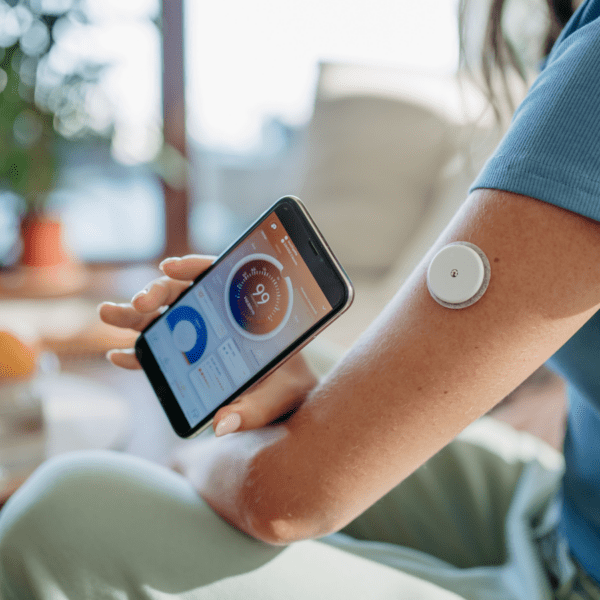
A CGM is most powerful when it changes the experiment
The randomized Glycemic Excursion Minimization, or GEM, trial helps show why glucose data can matter. Researchers enrolled 30 adults with type 2 diabetes whose average A1c was 8.8% and who were not using insulin. Participants received either routine diabetes care or four group sessions that combined real-time continuous glucose monitoring with a practical strategy to reduce post-meal glucose excursions through lower-glycemic food choices and physical activity.[19]
After five months, average A1c fell from 8.9% to 7.6% in the GEM-CGM group, compared with 8.8% to 8.7% with routine care. The intervention group also reduced its diabetes-medication burden and carbohydrate intake while improving diabetes knowledge, quality of life and diabetes distress. These changes occurred without an increase in dietary fat, blood lipids or hypoglycemia.[19]
This was not simply a test of wearing a sensor. The sensor made the response to food and activity visible, while the education taught participants how to act on the pattern. That distinction matters: measurement becomes useful when it closes the loop between a behavior, a biological response and the next informed decision.
The GEM trial did not measure ketones and cannot tell us whether ketosis contributed to the outcome. Its relevance here is more direct. Blood sugar and ketones are metabolic signals, but the value of either number comes from connecting it to food, movement, medication use and meaningful health outcomes—not from collecting data for its own sake.
Ketones are fuels and signaling molecules
BHB is more than an energy substrate. It also participates in cellular signaling, gene regulation, redox balance and communication between nutritional state and cell function.[2–4]
That biology helps explain why ketone metabolism is being studied across metabolic, neurological and cardiovascular conditions. It does not justify promising that ketosis will prevent or treat every disease. It does establish that ketosis is an active physiological state with effects extending beyond simply replacing glucose calories with fat calories.
Ketosis has established therapeutic uses
Ketogenic diets have a long-established role in the treatment of drug-resistant epilepsy and are supported by broad neurological consensus in that setting.[11] They are also used clinically for weight management, diabetes and insulin resistance, and they continue to be studied across other chronic diseases.
The degree of carbohydrate restriction, the desired ketone level and the need for medical monitoring should match the purpose. A person using low-carbohydrate nutrition for appetite control does not necessarily need the same protocol as a child receiving ketogenic therapy for epilepsy.
How do you enter nutritional ketosis?
1. Restrict carbohydrate enough for your body
Reducing sugars and starches lowers the amount of glucose arriving from food and generally reduces insulin secretion. This allows fatty acids to become more available and increases ketone production.
The original Toward Health article used fewer than 30 grams of total carbohydrate per day as its practical starting point. That remains a useful starting point for many people, but it is not a universal biological cutoff. Some people produce measurable ketones at a higher intake, while others need a lower intake. Protein intake, activity, insulin resistance, meal frequency and total energy intake all influence the response.
2. Allow meaningful time between meals
Fasting promotes ketone production because insulin falls and the body moves from recently eaten fuel toward stored fuel. This does not require extreme fasting. Simply eliminating habitual grazing and allowing time between satisfying meals may help.
Longer fasting is not automatically better. Anyone taking insulin, a sulfonylurea, an SGLT2 inhibitor or another medication that affects glucose, blood pressure or fluid balance should discuss fasting with a clinician before making a major change.
3. Use movement and exercise
Exercise increases energy demand and can deplete stored glycogen, which may help the body transition toward greater fat oxidation and ketone production. The response varies with exercise intensity, duration, recent meals and training status. Exercise is therefore a useful contributor, not a guaranteed stand-alone route to sustained nutritional ketosis.
4. Build meals around adequate protein and nutrient-dense foods
A well-formulated ketogenic diet is not a license to eat unlimited fat, and it does not have to be an unlimited-protein diet. Meals should contain enough protein to preserve lean mass and provide essential amino acids, along with nutrient-dense low-carbohydrate foods. Dietary fat can then be adjusted for satiety, energy needs and the person’s goals.
Do you need to test ketones?
Not everyone does.
If hunger is controlled, glucose is improving, symptoms are better and the plan is producing the intended result, a ketone meter may add little. Testing is most useful when there is a specific question:
- Am I producing ketones at this carbohydrate intake?
- How does a particular food or meal pattern affect me?
- Are my morning and evening patterns different?
- Am I following a therapeutic ketogenic protocol that requires a target?
- Am I sick, taking an SGLT2 inhibitor or concerned about ketoacidosis?
Three ways to measure ketones
Blood beta-hydroxybutyrate
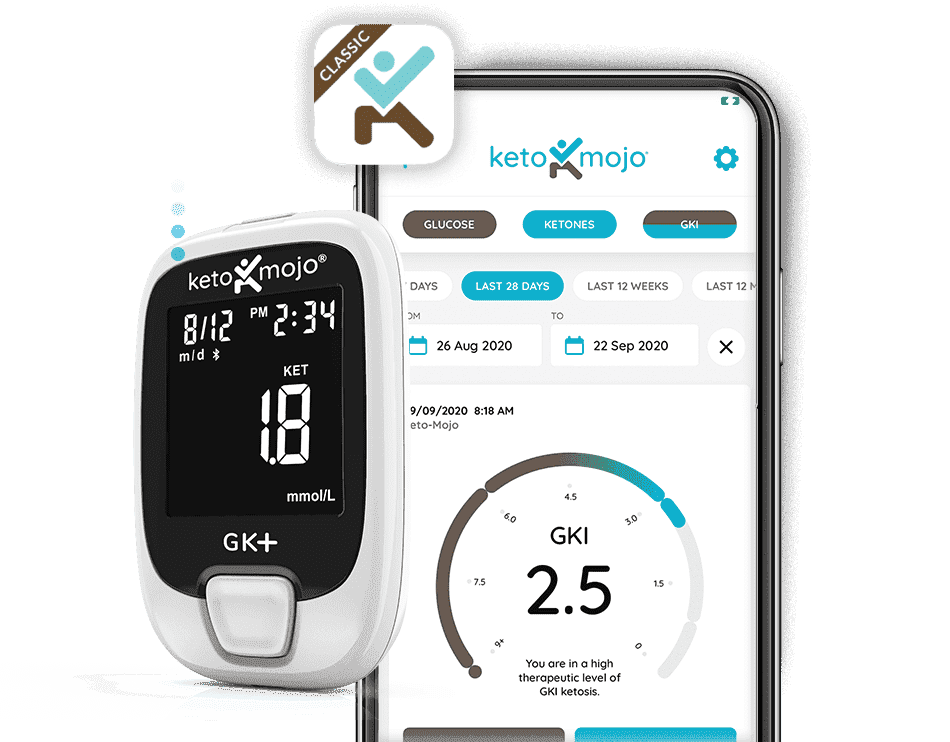
A blood ketone meter provides the most direct home measurement of circulating BHB. It is useful when a precise current value matters and is generally the preferred method for therapeutic monitoring or evaluating possible ketoacidosis.
The original article demonstrated a Keto-Mojo combined glucose and ketone meter. That is one available device, not a requirement. Any properly functioning meter and compatible, unexpired strips can be used according to the manufacturer’s instructions.
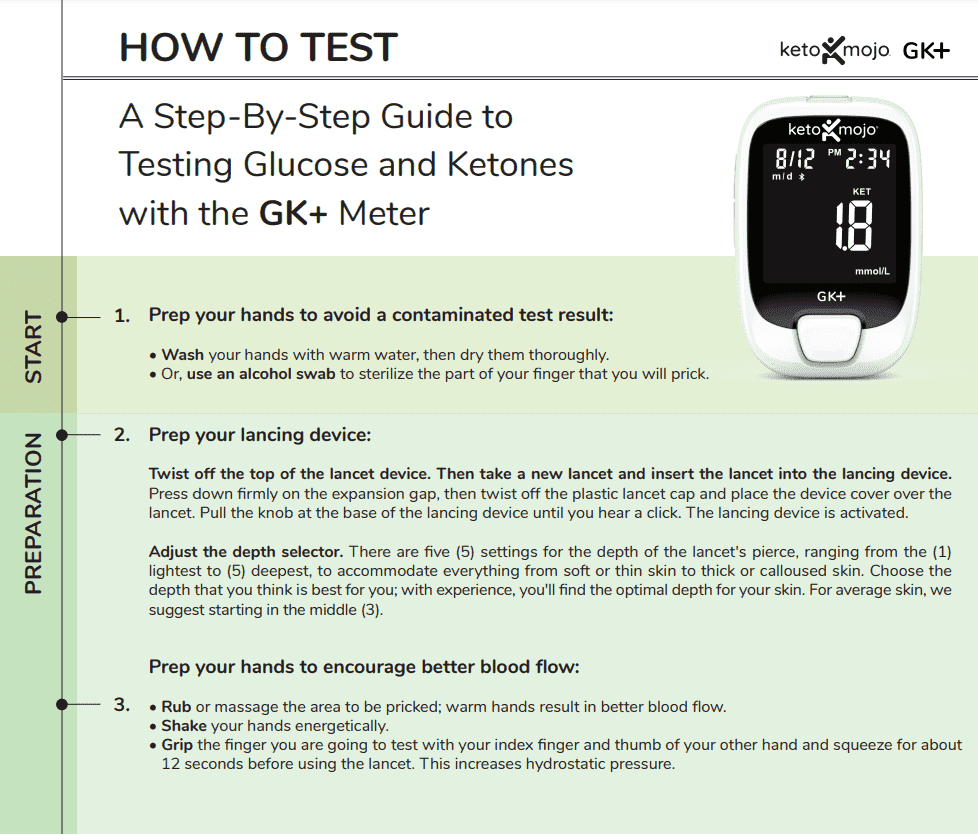
Meter instructions: preparation
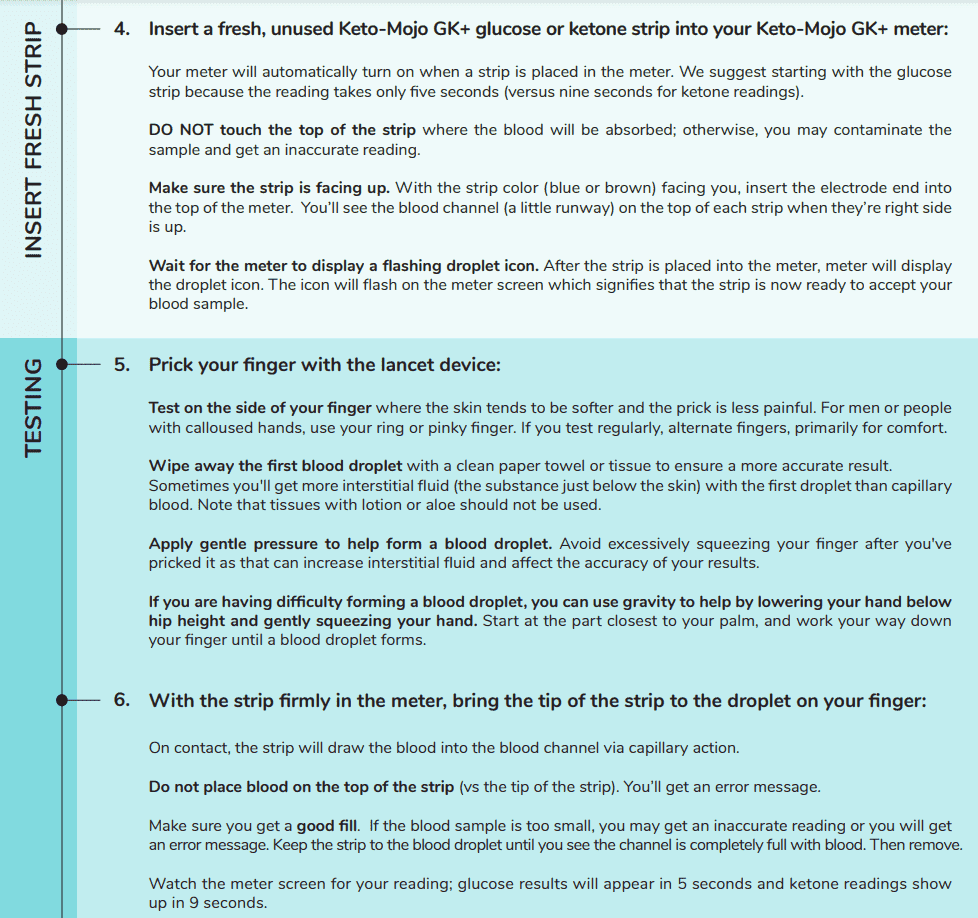
Meter instructions: testing
Urine acetoacetate
Urine strips are inexpensive and can help someone confirm ketone production early in a ketogenic diet. They measure acetoacetate that has been excreted into the urine rather than the BHB currently circulating in blood.
Hydration affects the result, and urine ketones may fall as the body becomes better adapted to producing and using ketones. A lighter urine result therefore does not necessarily mean that the diet has stopped working.
Breath acetone
Breath meters estimate acetone in exhaled air. They avoid finger sticks and may be useful for following personal trends. Values from different devices should not be assumed to correspond exactly to a blood BHB result.
What do blood ketone numbers mean?
For blood BHB, a practical interpretation is:
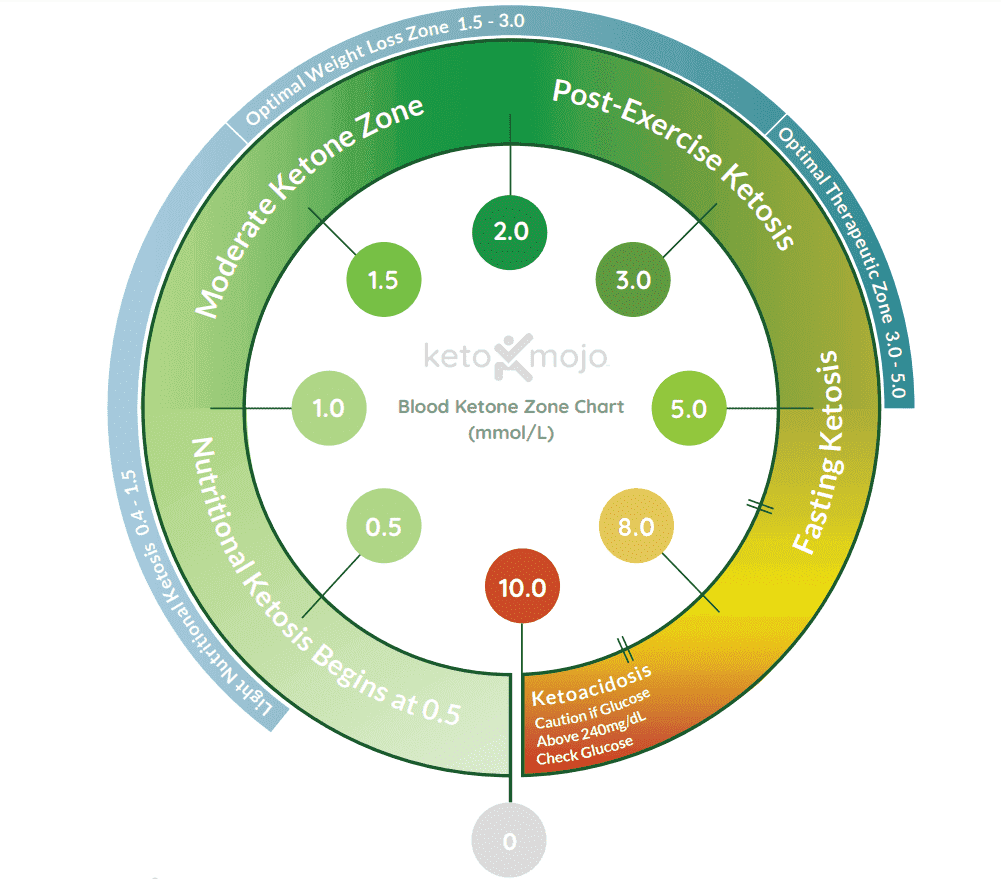
- Below approximately 0.5 mmol/L: usually not considered nutritional ketosis.
- Approximately 0.5–3.0 mmol/L: a common range during nutritional ketosis.
- At or above 3.0 mmol/L: interpret in context. This can occur with fasting or deeper nutritional ketosis, but it also crosses the ketone threshold used in the diagnosis of diabetic ketoacidosis when hyperglycemia or known diabetes and metabolic acidosis are also present.[12]
There is no single ideal ketone number for general health. Higher is not automatically better. A person can have excellent appetite control and glucose improvement at a modest BHB level, while another may need a defined range for a therapeutic neurological protocol.
What glucose range does Toward Health use?
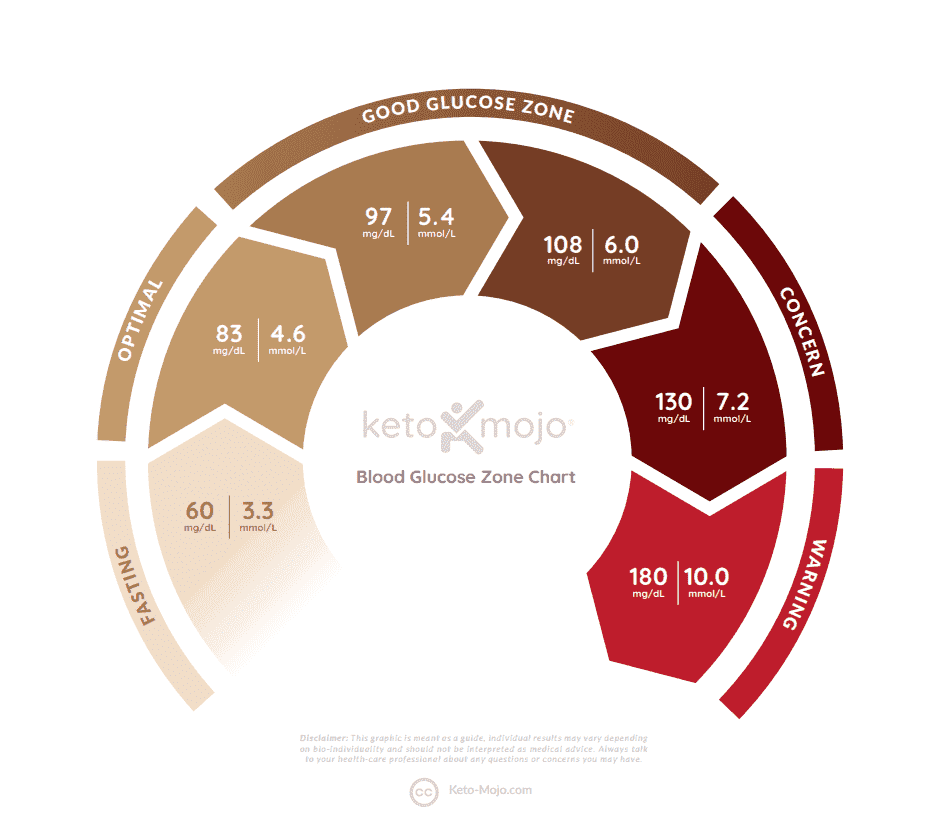
At Toward Health, our practical goal is to keep glucose approximately 70–120 mg/dL for as much of the day as reasonably possible. Within that safe range, lower and steadier is generally better—provided there is no hypoglycemia, concerning symptoms or medication-related risk. This is our clinical target, not a universal diagnostic cutoff.
A glucose of 70 mg/dL is not a target to push below. Glucose-lowering medications can turn a dietary improvement into hypoglycemia if doses are not adjusted promptly. People taking insulin or sulfonylureas may need proactive medication reduction and close monitoring when carbohydrate intake changes.
One isolated glucose value also provides less information than a pattern. Useful questions include:
- How high does glucose rise after meals?
- How quickly does it return toward baseline?
- Is fasting glucose improving over time?
- Is glucose becoming less variable?
- Are symptoms, medications and overall metabolic markers improving?
When should you check glucose and ketones?
Testing at consistent times makes results easier to interpret.
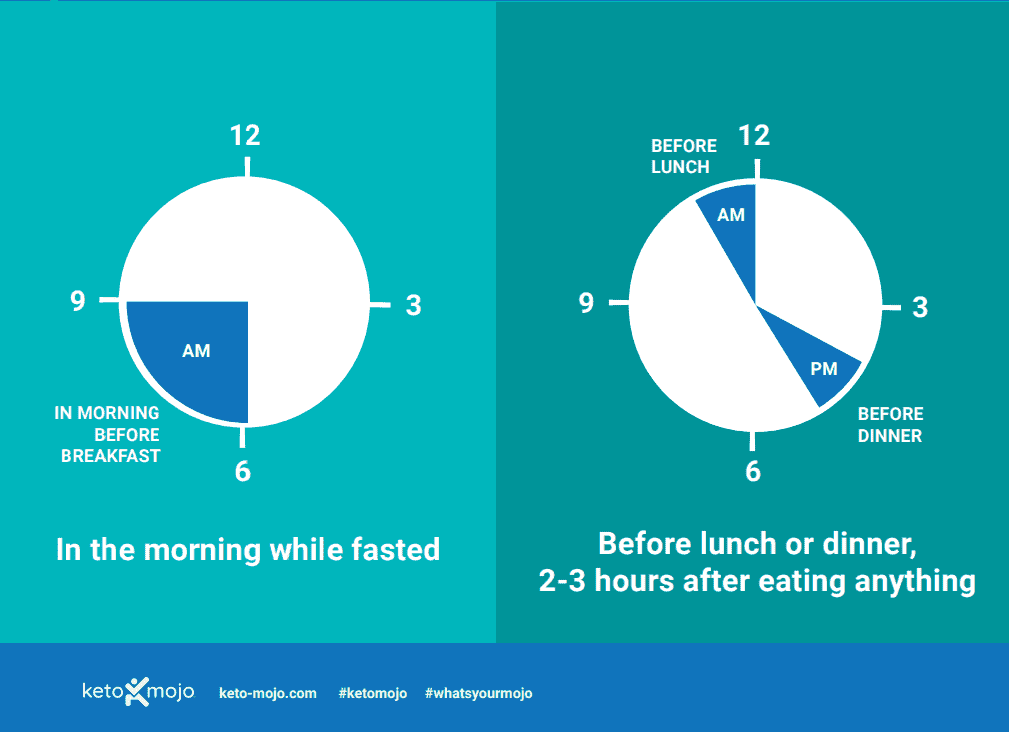
Morning fasting measurement
A morning check before eating gives a repeatable baseline, but it may not be the day’s lowest glucose. Cortisol and other counter-regulatory hormones can raise glucose near waking—the “dawn phenomenon.” A somewhat higher morning glucose does not necessarily mean that the previous day’s food was high in carbohydrate.
Before and after a meal
Checking immediately before a meal and again at a consistent interval afterward can show how that meal affects glucose. When testing ketones, remember that eating may temporarily lower the value even when the overall diet remains ketogenic.
Evening measurement
An evening check may help reveal how the day’s meals, activity and fasting intervals influenced glucose and ketone production.
During illness or when symptoms are concerning
Illness, dehydration and medication changes can alter glucose and ketones. People at risk for diabetic ketoacidosis should follow a clinician-provided sick-day plan rather than relying on a general wellness target.
Nutritional ketosis is not diabetic ketoacidosis
Nutritional ketosis is a regulated physiological state. Insulin remains sufficient to prevent runaway ketone production and metabolic acidosis.
Diabetic ketoacidosis, or DKA, is a medical emergency defined by the combination of diabetes or hyperglycemia, elevated ketones and metabolic acidosis. The 2024 international consensus report uses blood BHB of at least 3.0 mmol/L or urine ketones of at least 2+, together with glucose of at least 200 mg/dL or a prior history of diabetes and a pH below 7.3 and/or bicarbonate below 18 mmol/L.[12]
Ketones alone do not diagnose DKA. Context is essential.
Seek urgent medical evaluation for elevated ketones accompanied by symptoms such as persistent vomiting, abdominal pain, rapid or deep breathing, confusion, severe weakness or dehydration—especially in a person with type 1 diabetes.
Special warning for SGLT2 inhibitors
SGLT2 inhibitors can permit DKA to occur with glucose below the levels people traditionally associate with ketoacidosis. Very-low-carbohydrate intake, prolonged fasting, dehydration, illness, surgery and excess alcohol can raise that risk.[12,13]
Do not begin a ketogenic diet or prolonged fast while taking an SGLT2 inhibitor without a plan from the prescribing clinician. Do not stop a prescribed medication on your own; coordinate the dietary change and medication decision.
Who should use medical supervision?
Clinical supervision is particularly important for people who:
- use insulin, sulfonylureas, SGLT2 inhibitors or multiple glucose-lowering medications;
- have type 1 diabetes or a history of ketoacidosis;
- are pregnant or breastfeeding;
- have significant kidney, liver, pancreatic or gallbladder disease;
- take blood-pressure medicines or diuretics that may need adjustment;
- have a history of an eating disorder;
- are considering prolonged fasting; or
- are using a ketogenic diet as therapy for a neurological or other medical condition.
The need for supervision does not mean ketosis is inherently pathological. It means that a powerful nutritional change can interact with disease, medication and fluid or electrolyte balance.
A practical checklist
Use these points to connect the explanations above with a conversation about your own goals and next steps.
- Define the goal. Decide whether you are using carbohydrate restriction for hunger, weight, glucose control or a disease-specific therapeutic reason.
- Remove concentrated sugars and starches. Build meals from protein-rich foods and nutrient-dense low-carbohydrate foods.
- Use fewer than 30 grams of total carbohydrate as an optional starting point—not a universal rule. Adjust based on glucose, ketones, hunger, symptoms and the outcome you want.
- Eat satisfying meals and reduce grazing. Allowing time between meals can support lower insulin levels and ketone production.
- Test only if the result will change a decision. Blood BHB is the most direct home measure; urine and breath tests can still provide useful trends.
- Track outcomes, not ketones alone. Review glucose patterns, hunger, energy, body composition, medications and relevant laboratory markers.
- Adjust medications with your clinician. This is especially important when glucose or blood pressure may improve quickly.
Putting the numbers in context
At Toward Health, we evaluate ketosis in the context of the whole person. We want glucose to be lower and steadier without hypoglycemia, ketones to be appropriate for the intended purpose, medications to be adjusted safely, and the intervention to produce improvements that matter in real life.
References
- Laffel L. Ketone bodies: a review of physiology, pathophysiology and application of monitoring to diabetes. Diabetes Metab Res Rev. 1999;15(6):412–426. doi:10.1002/(SICI)1520-7560(199911/12)15:6<412::AID-DMRR72>3.0.CO;2-8
- Puchalska P, Crawford PA. Multi-dimensional roles of ketone bodies in fuel metabolism, signaling, and therapeutics. Cell Metab. 2017;25(2):262–284. doi:10.1016/j.cmet.2016.12.022
- Newman JC, Verdin E. β-Hydroxybutyrate: a signaling metabolite. Annu Rev Nutr. 2017;37:51–76. doi:10.1146/annurev-nutr-071816-064916
- Nelson AB, Queathem ED, Puchalska P, Crawford PA. Metabolic messengers: ketone bodies. Nat Metab. 2023;5(12):2062–2074. doi:10.1038/s42255-023-00935-3
- Johnstone AM, Horgan GW, Murison SD, Bremner DM, Lobley GE. Effects of a high-protein ketogenic diet on hunger, appetite, and weight loss in obese men feeding ad libitum. Am J Clin Nutr. 2008;87(1):44–55. doi:10.1093/ajcn/87.1.44
- Sumithran P, Prendergast LA, Delbridge E, et al. Ketosis and appetite-mediating nutrients and hormones after weight loss. Eur J Clin Nutr. 2013;67(7):759–764. doi:10.1038/ejcn.2013.90
- Stubbs BJ, Cox PJ, Evans RD, et al. A ketone ester drink lowers human ghrelin and appetite. Obesity (Silver Spring). 2018;26(2):269–273. doi:10.1002/oby.22051
- Lim SL, Tay M, Ang SM, et al. Development and pragmatic randomized controlled trial of healthy ketogenic diet versus energy-restricted diet on weight loss in adults with obesity. Nutrients. 2024;16(24):4380. doi:10.3390/nu16244380
- McKenzie AL, Hallberg SJ, Creighton BC, et al. A novel intervention including individualized nutritional recommendations reduces hemoglobin A1c level, medication use, and weight in type 2 diabetes. JMIR Diabetes. 2017;2(1):e5. doi:10.2196/diabetes.6981
- Athinarayanan SJ, Adams RN, Hallberg SJ, et al. Long-term effects of a novel continuous remote care intervention including nutritional ketosis for the management of type 2 diabetes: a 2-year non-randomized clinical trial. Front Endocrinol (Lausanne). 2019;10:348. doi:10.3389/fendo.2019.00348
- Kossoff EH, Zupec-Kania BA, Auvin S, et al. Optimal clinical management of children receiving dietary therapies for epilepsy: updated recommendations of the International Ketogenic Diet Study Group. Epilepsia Open. 2018;3(2):175–192. doi:10.1002/epi4.12225
- Umpierrez GE, Davis GM, ElSayed NA, et al. Hyperglycemic crises in adults with diabetes: a consensus report. Diabetes Care. 2024;47(8):1257–1275. doi:10.2337/dci24-0032
- American Diabetes Association Professional Practice Committee. Pharmacologic approaches to glycemic treatment: Standards of Care in Diabetes—2026. Diabetes Care. 2026;49(Suppl 1):S183–S215. Official guideline
- Stanhope KL, Schwarz JM, Keim NL, et al. Consuming fructose-sweetened, not glucose-sweetened, beverages increases visceral adiposity and lipids and decreases insulin sensitivity in overweight/obese humans. J Clin Invest. 2009;119(5):1322–1334. doi:10.1172/JCI37385
- Maersk M, Belza A, Stødkilde-Jørgensen H, et al. Sucrose-sweetened beverages increase fat storage in the liver, muscle, and visceral fat depot: a 6-month randomized intervention study. Am J Clin Nutr. 2012;95(2):283–289. doi:10.3945/ajcn.111.022533
- Drouin-Chartier JP, Zheng Y, Li Y, et al. Changes in consumption of sugary beverages and artificially sweetened beverages and subsequent risk of type 2 diabetes: results from three large prospective U.S. cohorts of women and men. Diabetes Care. 2019;42(12):2181–2189. doi:10.2337/dc19-0734
- Yang Q, Zhang Z, Gregg EW, Flanders WD, Merritt R, Hu FB. Added sugar intake and cardiovascular diseases mortality among U.S. adults. JAMA Intern Med. 2014;174(4):516–524. doi:10.1001/jamainternmed.2013.13563
- Imamura F, O’Connor L, Ye Z, et al. Consumption of sugar-sweetened beverages, artificially sweetened beverages, and fruit juice and incidence of type 2 diabetes: systematic review, meta-analysis, and estimation of population attributable fraction. BMJ. 2015;351:h3576. doi:10.1136/bmj.h3576
- Cox DJ, Banton T, Moncrief M, Conaway M, Diamond A, McCall AL. Minimizing Glucose Excursions (GEM) With Continuous Glucose Monitoring in Type 2 Diabetes: A Randomized Clinical Trial. J Endocr Soc. 2020;4(11):bvaa118. doi:10.1210/jendso/bvaa118. PubMed.