
The carnivore diet strips eating down to a short list of animal foods. For many people, that simplicity is the appeal. Meals center on meat, fish, eggs and animal fats, with dairy included when it is well tolerated. At the same time, the diet removes sugar, refined starches, most ultra-processed foods and many foods that an individual may suspect are driving cravings or symptoms.
People often try carnivore because they want steadier hunger, fewer food decisions, better blood-sugar control, weight loss or a structured elimination approach. The direct human research is growing, and the broader evidence on ketogenic diets, therapeutic carbohydrate reduction and higher-protein eating helps explain why some people report meaningful benefits. Individual responses—including nutrient intake, digestion and blood lipids—still need to be measured rather than assumed.
What is the carnivore diet?
There is no single standardized carnivore diet. Most versions include:
- meat and poultry;
- fish and shellfish;
- eggs;
- animal fats; and
- dairy, if tolerated.
Some people include organ meats and bone broth. Others eat mainly muscle meat, eggs and seafood. A strict version excludes all plant foods and contains virtually no carbohydrate.
The Lion Diet is the narrowest version: usually ruminant meat such as beef or lamb, salt and water. It is generally used as an elimination strategy rather than simply as a low-carbohydrate menu.
“Animal-based” is not always the same as carnivore. Some animal-based plans include fruit, honey or other carbohydrate-containing foods. That difference matters when comparing experiences, ketone levels and research.
Is carnivore the same as keto?
Carnivore is usually ketogenic because it supplies very little carbohydrate, but the two diets are not identical. A ketogenic diet can include nonstarchy vegetables, nuts, seeds and other low-carbohydrate plant foods. A carnivore diet is defined by its food selection, not by a required blood-ketone number.
Protein intake, fat intake, activity and individual metabolism all influence ketone levels. Some people eating carnivore have high ketones; others do not. The more useful scorecard is the clinical response: hunger, energy, symptoms, glucose, medications, body composition and laboratory markers.
Why can carnivore feel easier to follow?
Three features may work together:
- Protein is highly satiating. In a controlled feeding study, increasing protein from 15% to 30% of calories increased satiety and reduced spontaneous food intake, body weight and fat mass. This was a high-protein study—not a carnivore trial—but it helps explain why meat-centered meals can make hunger more manageable.
- The food environment becomes simpler. Removing refined carbohydrates and highly rewarding snack foods can reduce cues to keep eating even when energy needs have been met.
- Fewer choices can reduce decision fatigue. A short food list may make shopping, ordering and meal preparation easier for people who feel overwhelmed by complicated plans.
Simplicity does not mean calories become irrelevant. It means appetite and food intake may become easier to regulate without deliberately counting every calorie.
What does the direct carnivore research show?
The largest published carnivore study surveyed 2,029 adults who had followed the diet for a median of 14 months. Respondents reported high satisfaction, few adverse symptoms and improvements in overall health and several medical conditions. Median reported body mass index fell from 27.2 to 24.3. Among respondents with diabetes, reported HbA1c, body mass index and medication use also improved. Because participants were self-selected and outcomes were largely self-reported, the study describes real-world experiences but does not establish that the diet caused every change.
A 2025 German study added paired blood results from 24 people following self-designed carnivore diets. Most measured blood markers did not change significantly. The two participants who began with prediabetic HbA1c values and all six who began with elevated triglycerides had reductions. Total and LDL cholesterol rose substantially across the group, demonstrating why individual lipid monitoring belongs in any medically supervised carnivore plan.
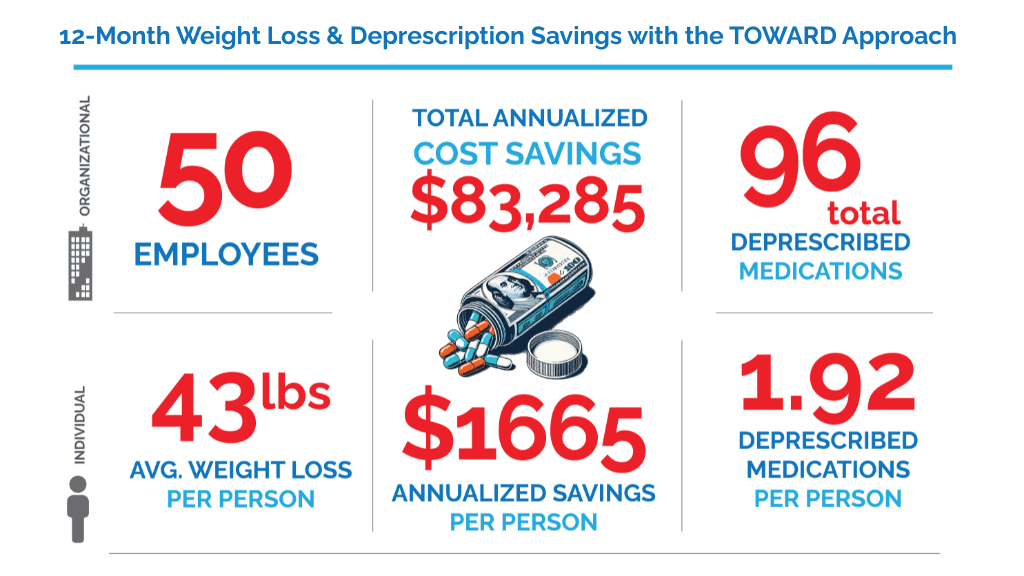
The broader low-carbohydrate evidence is stronger. In the randomized Keto-Med crossover trial, well-formulated ketogenic and Mediterranean-plus diets both improved HbA1c from baseline in adults with prediabetes or type 2 diabetes. The ketogenic phase produced a larger triglyceride reduction, while LDL cholesterol was higher. In Toward Health’s one-year metabolic intervention emphasizing therapeutic carbohydrate reduction, intermittent fasting, coaching and remote monitoring, participants experienced substantial weight loss with extensive medication deprescribing. That intervention included individualized approaches and should not be interpreted as a carnivore-only trial.
Can carnivore help inflammatory or digestive symptoms?
An elimination diet can help a person test whether one or more foods are contributing to symptoms. Carnivore takes that idea further by removing nearly all plant foods at once.
In a published case series, 10 people with biopsy-confirmed ulcerative colitis or Crohn’s disease reported substantial clinical improvement while following ketogenic diets that were mostly carnivore. The study intentionally recruited people who had responded, so it is best understood as a clinical signal that supports further study and carefully supervised therapeutic trials.
The ketogenic evidence adds another useful signal. In a randomized crossover trial of 26 people with obesity and psoriatic arthritis, a ketogenic phase improved measures of psoriasis, arthritis activity and inflammatory markers. This was not a carnivore study, but it supports the biological and clinical rationale for studying very-low-carbohydrate nutrition in inflammatory conditions.
Carnivore should not automatically replace established treatment for autoimmune or gastrointestinal disease. Medication changes and disease monitoring should be coordinated with the treating clinician.
Do we need fiber?
Fiber affects people differently. Some people feel better with more of it; others experience more bloating, pain or difficulty passing stool.
The original article cited a 2012 clinical study of 63 adults with chronic idiopathic constipation. After six months, the participants who stopped or reduced fiber reported improved bowel frequency, bloating and straining, while those who returned to a high-fiber diet did not improve. This finding applies to a selected constipation population; it does not prove that everyone should avoid fiber.
On carnivore, stool volume and frequency may decrease because less indigestible material reaches the colon. That is not automatically constipation. Pain, hard stool, difficult passage, bleeding or a meaningful change from normal deserves attention. Fluid intake, electrolytes, total food intake, fat distribution and medications can all affect bowel function.
Can a carnivore diet provide enough nutrients?
Animal foods are rich sources of complete protein, vitamin B12, iron, zinc, selenium and several other essential nutrients. Food selection still matters.
- Fatty fish and shellfish provide omega-3 fats and can add iodine, selenium and other minerals.
- Eggs provide choline and several fat-soluble nutrients.
- Dairy and fish with edible bones, when tolerated and included, can contribute calcium.
- Organ meats can add vitamin A, copper, folate and other micronutrients, but more is not always better.
- Iodized salt and seafood can help address iodine intake when appropriate.
A 2025 nutrient-modeling study tested four hypothetical carnivore meal plans. All supplied substantial amounts of several nutrients, including vitamin B12, zinc, selenium, riboflavin, niacin and vitamin B6. Depending on the menu, however, thiamine, vitamin C, calcium, magnesium, iodine, folate or potassium could fall below conventional reference targets. The study modeled menus rather than measuring health outcomes, but it makes the practical point: “carnivore” alone does not guarantee the same nutrient intake from one person to the next.
Do not rely on homemade eggshell powder or start iodine, potassium or other concentrated supplements casually. Food choices, symptoms, medications, laboratory results and clinician guidance should determine whether supplementation is useful.
What side effects can occur during the transition?
Early changes can include headache, fatigue, lightheadedness, muscle cramps, irritability or a change in bowel habits. Lowering carbohydrate can change fluid and sodium handling, while a sudden change in food volume and fat intake can affect digestion.
There is no single salt prescription that is right for everyone. Needs differ with climate, activity, blood pressure, kidney function, heart health and medications. This is especially important for people taking insulin, sulfonylureas, blood-pressure drugs or diuretics because glucose and blood pressure can change quickly.
Persistent vomiting, severe weakness, fainting, significant abdominal pain, black or bloody stool, or symptoms of very high or very low glucose are not routine adaptation symptoms and should be medically evaluated.
What about cholesterol?
Lipid responses to very-low-carbohydrate diets vary. Triglycerides often fall and HDL cholesterol may rise, while LDL cholesterol and apolipoprotein B can remain stable, fall or increase—sometimes substantially.
That variation appeared in both direct carnivore studies. The large survey reported a median LDL cholesterol of 172 mg/dL in the subset with current lipid data, alongside median triglycerides and HDL cholesterol of 68 mg/dL each. In the smaller German study, median LDL cholesterol rose from 157 to 256 mg/dL.
The answer is not to assume harm or dismiss the change. Measure the full response and interpret it in context. Depending on the person, that may include triglycerides, HDL-C, LDL-C, apolipoprotein B, blood pressure, glucose control, family history and other markers of cardiovascular risk.
How to approach carnivore thoughtfully
- Define the goal. Is the plan intended to simplify eating, improve satiety, lower carbohydrate exposure or test possible food triggers?
- Choose the level of restriction. A broader ketogenic diet may accomplish the goal without excluding every plant food. A stricter carnivore or Lion Diet trial may be appropriate when a deliberate elimination strategy is the goal.
- Prioritize food quality and variety. Build around minimally processed meat, fish, shellfish and eggs, with dairy according to tolerance. Avoid turning carnivore into a diet of processed meat alone.
- Plan for fluids, electrolytes and micronutrients. Do this individually rather than following a universal supplement or salt formula.
- Establish a baseline. Track the outcomes that matter: hunger, energy, symptoms, blood pressure, glucose, medications, weight or waist, and relevant laboratory markers.
- Reassess. Keep what is helping, address unwanted changes and decide whether continued restriction or structured food reintroduction best serves the original goal.
People who take glucose- or blood-pressure-lowering medication, have kidney or liver disease, are pregnant or breastfeeding, or have a history of an eating disorder should involve a qualified clinician before attempting a highly restrictive diet.
The bottom line
Carnivore is an intensive form of carbohydrate restriction and food elimination. Its appeal is understandable: meals are simple, protein is satiating, refined carbohydrates disappear and some people report major improvements in weight, glucose, digestion or inflammatory symptoms.
The best version is purposeful rather than ideological. Define why you are using it, eat nutrient-dense foods, monitor your individual response and adjust with good clinical support. The question is not whether carnivore is universally perfect or universally harmful. It is whether this approach produces a better, measurable health response for the individual using it.
References
- Lennerz BS, Mey JT, Henn OH, Ludwig DS. Behavioral Characteristics and Self-Reported Health Status among 2029 Adults Consuming a “Carnivore Diet.” Current Developments in Nutrition. 2021;5(12):nzab133.
- Klement RJ, Matzat JS. Subjective Experiences and Blood Parameter Changes in Individuals From Germany Following a Self-Conceived “Carnivore Diet”: An Explorative Study. Cureus. 2025;17(4):e82521.
- McGovern E, Coppinger T, Stevenson C, Woodside JV. Assessing the Nutrient Composition of a Carnivore Diet: A Case Study Model. Nutrients. 2025;17(1):140.
- Ho KS, Tan CYM, Mohd Daud MA, Seow-Choen F. Stopping or reducing dietary fiber intake reduces constipation and its associated symptoms. World Journal of Gastroenterology. 2012;18(33):4593-4596.
- Norwitz NG, Soto-Mota A. Carnivore-ketogenic diet for the treatment of inflammatory bowel disease: a case series of 10 patients. Frontiers in Nutrition. 2024;11:1467475.
- Lambadiari V, et al. The Effect of a Ketogenic Diet versus Mediterranean Diet on Clinical and Biochemical Markers of Inflammation in Patients with Obesity and Psoriatic Arthritis: A Randomized Crossover Trial. International Journal of Molecular Sciences. 2024;25(5):2475.
- Weigle DS, et al. A high-protein diet induces sustained reductions in appetite, ad libitum caloric intake, and body weight. American Journal of Clinical Nutrition. 2005;82(1):41-48.
- Gardner CD, et al. Effect of a ketogenic diet versus Mediterranean diet on glycated hemoglobin in individuals with prediabetes and type 2 diabetes: the Keto-Med randomized crossover trial. American Journal of Clinical Nutrition. 2022;116(3):640-652.
- Buchanan L, Calkins M, Kalayjian T, et al. TOWARD, a metabolic health intervention, demonstrates robust 1-year weight loss and cost-savings through deprescription. Frontiers in Nutrition. 2025;12:1548609.
- Fischer NM, et al. Carnivore Diet: A Scoping Review of the Current Evidence, Potential Benefits and Risks. Nutrients. 2026;18(2):348.