
A 2024 UK Biobank study reported that people classified as eating a low-carbohydrate, high-fat diet had higher LDL cholesterol, higher apolipoprotein B, and more major cardiovascular events than matched participants eating a standard diet.[1]
The result deserves attention. It does not deserve either panic or dismissal.
The sharpest reading is that the study identified a concerning cardiovascular association in a self-selected population—but could not establish that carbohydrate restriction caused the events. Understanding why requires looking beyond the headline at who was studied, how their diets were defined, and how those findings compare with controlled interventions.
What the study reported
Researchers used dietary and health data from the UK Biobank. A low-carbohydrate, high-fat—or LCHF—pattern was defined as less than 100 grams of carbohydrate per day and/or less than 25% of energy from carbohydrate, together with more than 45% of energy from fat.[1]
The full matched analysis included 2,034 participants classified as LCHF and 8,136 eating a standard diet. A more restrictive subset included 305 LCHF participants and 1,220 matched controls whose dietary questionnaire and lipid measurement occurred at the same baseline visit.[1]
That distinction corrects a common description of the paper. It was not simply a study in which only 300 of approximately 200,000 people reported eating low carb. There were 2,034 LCHF participants in the larger matched cohort; 305 belonged to the concurrent diet-and-lipid subset.
In that subset, mean LDL-C was 3.81 mmol/L in the LCHF group and 3.64 mmol/L in the standard-diet group—a difference of approximately 6.6 mg/dL. Mean apoB was 1.10 versus 1.04 g/L. Severe hypercholesterolemia was also more common: 11.1% versus 6.2%.[1]
After a median 11.8 years, 9.8% of the LCHF group and 4.3% of the standard-diet group experienced a major adverse cardiovascular event. The adjusted hazard ratio was 2.18.[1]
Those findings should not be waved away. ApoB-containing particles matter, and a substantial LDL or apoB rise in an individual warrants thoughtful risk assessment. But the study’s design cannot tell us that the diet itself produced the difference in events.
This was not a ketogenic-diet intervention
Participants were not assigned a diet, given a defined food plan, or followed by a clinical team. Their diets were classified using one or more web-based 24-hour dietary questionnaires.
The LCHF definition was also broad. A person could qualify at nearly 100 grams of carbohydrate per day, and the group’s average beta-hydroxybutyrate was only 0.14 mmol/L—well below the usual nutritional-ketosis range beginning around 0.5 mmol/L.[1]
The dietary pattern was high in animal fat and saturated fat, but it was not a standardized whole-food low-carbohydrate intervention. It did not distinguish carefully between minimally processed foods and ultra-processed foods, or between different sources of fat and protein. It therefore studied a self-reported dietary pattern, not one reproducible therapeutic diet.
Healthy-user bias—and its mirror image
Observational nutrition studies are vulnerable to healthy-user bias. People who follow the prevailing health advice may also exercise more, seek preventive care, take medications consistently, smoke less, or engage in other behaviors that lower risk. Statistical adjustment can account for measured variables, but not every difference in motivation, care, or behavior.
This study also faced the mirror image: confounding by indication. People may adopt a low-carbohydrate diet because they already have obesity, diabetes, or worsening metabolic health.
That pattern was visible at baseline. Compared with the matched standard-diet group, the concurrent LCHF subset had more diabetes (4.9% versus 1.7%), a higher average BMI (27.7 versus 26.7 kg/m²), and more obesity (26.3% versus 19.8%). Current smoking was also numerically more common (10.6% versus 7.7%), although that difference was not statistically significant.[1]
The investigators adjusted for recognized cardiovascular risk factors and repeated analyses after excluding participants with diabetes. That strengthens the association. It cannot fully erase why people selected the diet, how long they had followed it, what prompted the change, or what unmeasured behaviors traveled with it.
UK Biobank adds another selection issue. Its participants are generally healthier than the population from which they were recruited—the classic healthy-volunteer effect. The study authors recognized that this may have lowered absolute event estimates and that the predominantly White European cohort limits generalizability.[1]
A 24-hour recall cannot define an 11-year exposure
The Oxford WebQ used in UK Biobank is validated, but it still records what someone remembers eating during the previous 24 hours. Some participants completed it once; others completed it on additional occasions.
Diet can change substantially over 11.8 years. A person classified as LCHF near enrollment may stop months later, while someone in the standard group may later reduce carbohydrates. Short dietary snapshots create exposure misclassification that a long follow-up cannot repair.
The study did find directionally similar results among participants with at least two dietary surveys, although the MACE association in that smaller subgroup was not statistically significant.[1] That supports taking the signal seriously while still recognizing that long-term diet was not directly observed.
What controlled low-carbohydrate interventions show
The UK Biobank study measured cardiovascular events, but it was observational. Randomized and structured interventional studies provide stronger causal evidence about what happens to risk factors when people are actually assigned or supported to follow a low-carbohydrate diet.
In a 12-month randomized trial of 148 adults, a diet targeting less than 40 grams of carbohydrate per day produced greater weight and fat-mass loss than a low-fat diet. It also produced larger reductions in triglycerides and the total-cholesterol-to-HDL ratio, together with a larger rise in HDL cholesterol.[2]
A secondary analysis of that same trial found greater improvement in adiponectin and intercellular adhesion molecule-1, adding evidence that the intervention affected inflammatory and vascular biology—not merely the scale.[3]
A controlled feeding trial in adults with insulin-resistant dyslipoproteinemia found that carbohydrate restriction improved the characteristic combination of high triglycerides, low HDL, and small LDL particles even when the diet contained relatively high saturated fat.[4]
Across 33 randomized trials involving 3,939 participants, low-carbohydrate diets produced greater reductions in triglycerides, diastolic blood pressure, and body weight and a greater rise in HDL than low-fat diets over 6 to 23 months.[5] A broader 2025 synthesis of 174 randomized trials involving 11,481 adults similarly reported reductions in triglycerides, systolic and diastolic blood pressure, several lipid ratios, CRP, and TNF-α, with higher HDL. It also found a modest mean increase in LDL-C of 4.81 mg/dL, reinforcing that favorable changes in multiple markers do not guarantee an LDL-C reduction.[6]
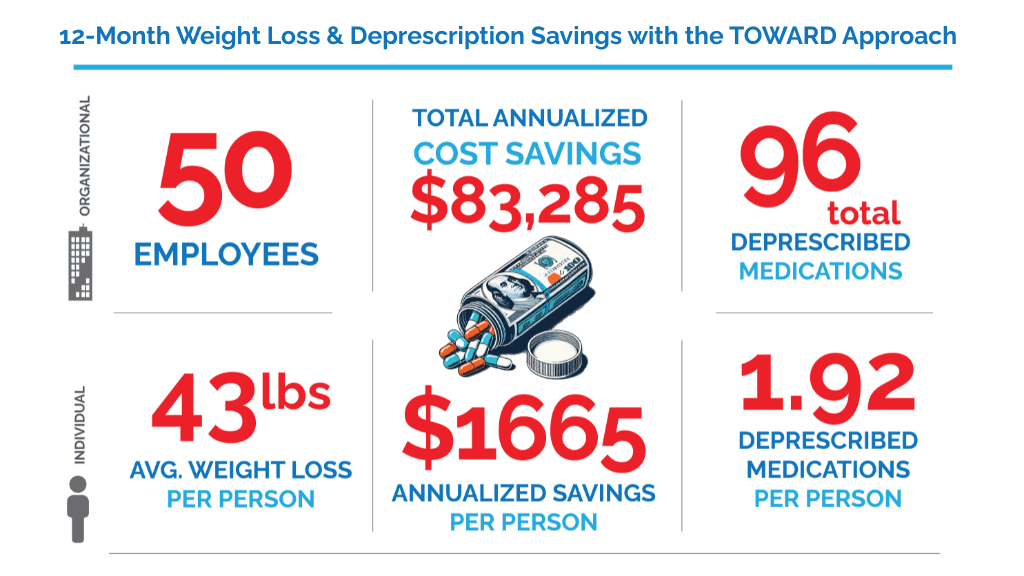
Longer structured interventions point in the same cardiometabolic direction. A two-year continuous-care intervention incorporating nutritional ketosis in adults with type 2 diabetes improved glycemia, insulin, weight, blood pressure, triglycerides, HDL-C, and hsCRP while reducing medication use. LDL-C increased on average, but total LDL particle concentration and apoB did not significantly change; small LDL particles decreased, large LDL particles increased, and carotid intima-media thickness was unchanged.[7] A six-month Toward Health–associated workplace pilot also reported improvements across weight, blood pressure, glycemia, triglycerides, HDL, and calculated cardiovascular risk, while its single-arm design prevents attributing every change to one component of the program.[8]
These interventions do not prove that every low-carbohydrate pattern prevents heart attacks. Most measured risk factors rather than clinical cardiovascular events. They do show why the claim “low carb worsens cardiovascular health” is scientifically incomplete.
Two findings can be true at once
Low-carbohydrate interventions frequently improve insulin resistance, glucose, triglycerides, HDL, blood pressure, body weight, visceral fat, and inflammatory markers. Those changes matter to cardiovascular risk.
LDL-C and apoB can also rise—sometimes dramatically—in a subset of people. That change also matters.
A serious clinical interpretation evaluates both sides rather than selecting the marker that supports a preferred conclusion. The response should be individualized using the magnitude and persistence of the lipid change, apoB or non-HDL-C, blood pressure, glycemic health, smoking, family history, kidney function, inflammatory conditions, lipoprotein(a), and—when appropriate—evidence of existing plaque.
How our view of PCSK9 inhibitors changed:
Toward Health has re-evaluated PCSK9 inhibitors as the evidence has developed. Lowering LDL cholesterol, preventing cardiovascular events and reducing deaths are different outcomes. Our earlier concerns about mortality deserve to be explained alongside our current conclusion.
Early evidence, 2017–2019: FOURIER (2017) reduced major cardiovascular events but did not demonstrate a reduction in all-cause or cardiovascular mortality. Both were numerically higher with evolocumab: all-cause deaths were 3.2% versus 3.1%, and cardiovascular deaths were 1.8% versus 1.7%. Neither difference was statistically significant.
ODYSSEY OUTCOMES and its 2019 mortality analysis need a distinction: all-cause deaths were lower with alirocumab, 3.5% versus 4.1%, but the result was only nominally significant because the trial’s prespecified testing hierarchy had already stopped at a nonsignificant outcome. Cardiovascular mortality was not significantly reduced. The early trials therefore did not establish a consistent, definitive survival benefit across the class.
Why the mortality reanalysis concerned us: A BMJ Open reanalysis, submitted in 2021 and published in December 2022, found discrepancies in FOURIER death classifications using regulatory clinical-study reports. After readjudication, cardiovascular deaths were more frequent with evolocumab (relative risk 1.20; 95% confidence interval 0.95–1.51). This was a concerning signal, although it did not establish that the drug increased mortality. The investigators could not re-evaluate nonfatal events. We regarded the mortality and reporting questions as reasons for caution.
What changed our assessment: We have now reviewed the longer-term and newer evidence:
- FOURIER-OLE (2022) associated earlier evolocumab treatment with fewer cardiovascular events and cardiovascular deaths. These were exploratory comparisons of earlier versus delayed initiation; both groups received evolocumab during the extension.
- The long-term ODYSSEY OUTCOMES analysis (2023) supported sustained cardiovascular benefit and reassuring safety through follow-up of up to five years, with more injection-site reactions than placebo.
- VESALIUS-CV (2026; online 2025) strengthened the evidence in high-risk patients without a previous heart attack or stroke: five-year coronary death, heart attack or ischemic stroke risk was 6.2% versus 8.0%, an absolute difference of 1.8 percentage points.
After this reassessment, we agree that PCSK9 inhibitors such as alirocumab (Praluent) and evolocumab (Repatha) can be effective options for selected patients with coronary artery disease or other high-risk conditions. This updated position reflects the evolving evidence, while keeping cardiovascular-event reduction distinct from a claim of universal survival benefit.
For plaque regression, separate imaging trials, GLAGOV and PACMAN-AMI, found greater coronary plaque regression when a PCSK9 inhibitor was added to statin therapy. These findings do not establish that CAC scores will fall. Treatment remains individualized to disease burden, overall risk, existing therapy, tolerability and patient preferences.
The bottom line
The UK Biobank paper found a concerning association between a self-reported LCHF pattern, higher LDL-C and apoB, and cardiovascular events. It did not test a defined ketogenic intervention, and it could not eliminate healthy-user bias, confounding by indication, dietary misclassification, or residual differences between people who chose different diets.
Meanwhile, interventional evidence consistently shows that carbohydrate restriction can improve a wide range of cardiovascular risk factors, even as LDL-related responses vary.
The useful conclusion is neither “the study proves low carb causes heart attacks” nor “LDL never matters on low carb.” It is that cardiovascular response to carbohydrate restriction is multidimensional and should be measured as such.
Watch the research discussion
References
- Iatan I, Huang K, Vikulova D, Ranjan S, Brunham LR. Association of a Low-Carbohydrate High-Fat Diet With Plasma Lipid Levels and Cardiovascular Risk. JACC Adv. 2024;3(6):100924. doi: 10.1016/j.jacadv.2024.100924. PubMed.
- Bazzano LA, Hu T, Reynolds K, et al. Effects of low-carbohydrate and low-fat diets: a randomized trial. Ann Intern Med. 2014;161(5):309–318. doi: 10.7326/M14-0180. PubMed.
- Hu T, Yao L, Reynolds K, et al. The Effects of a Low-Carbohydrate Diet vs. a Low-Fat Diet on Novel Cardiovascular Risk Factors: A Randomized Controlled Trial. Nutrients. 2015;7(9):7978–7994. doi: 10.3390/nu7095377. PubMed.
- Ebbeling CB, Knapp A, Johnson A, et al. Effects of a low-carbohydrate diet on insulin-resistant dyslipoproteinemia—a randomized controlled feeding trial. Am J Clin Nutr. 2022;115(1):154–162. doi: 10.1093/ajcn/nqab287. PubMed.
- Choi YJ, Jeon SM, Shin S. Effects of low-carbohydrate diets versus low-fat diets on metabolic risk factors in overweight and obese adults: A meta-analysis of randomized controlled trials. Front Nutr. 2022;9:935234. doi: 10.3389/fnut.2022.935234. PubMed.
- Feng S, Liu R, Thompson C, et al. Effects of carbohydrate-restricted diets and macronutrient replacements on cardiovascular health and body composition in adults: a meta-analysis of randomized trials. Am J Clin Nutr. 2025;122(5):1461–1478. doi: 10.1016/j.ajcnut.2025.09.012. PubMed. Added as the current 174-trial synthesis.
- Athinarayanan SJ, Hallberg SJ, McKenzie AL, et al. Impact of a 2-year trial of nutritional ketosis on indices of cardiovascular disease risk in patients with type 2 diabetes. Cardiovasc Diabetol. 2020;19:208. doi: 10.1186/s12933-020-01178-2. PubMed.
- Norwitz NG, Soto-Mota A, Kalayjian T. A Company Is Only as Healthy as Its Workers: A 6-Month Metabolic Health Management Pilot Program Improves Employee Health and Contributes to Cost Savings. Metabolites. 2022;12(9):848. doi: 10.3390/metabo12090848. Full text.