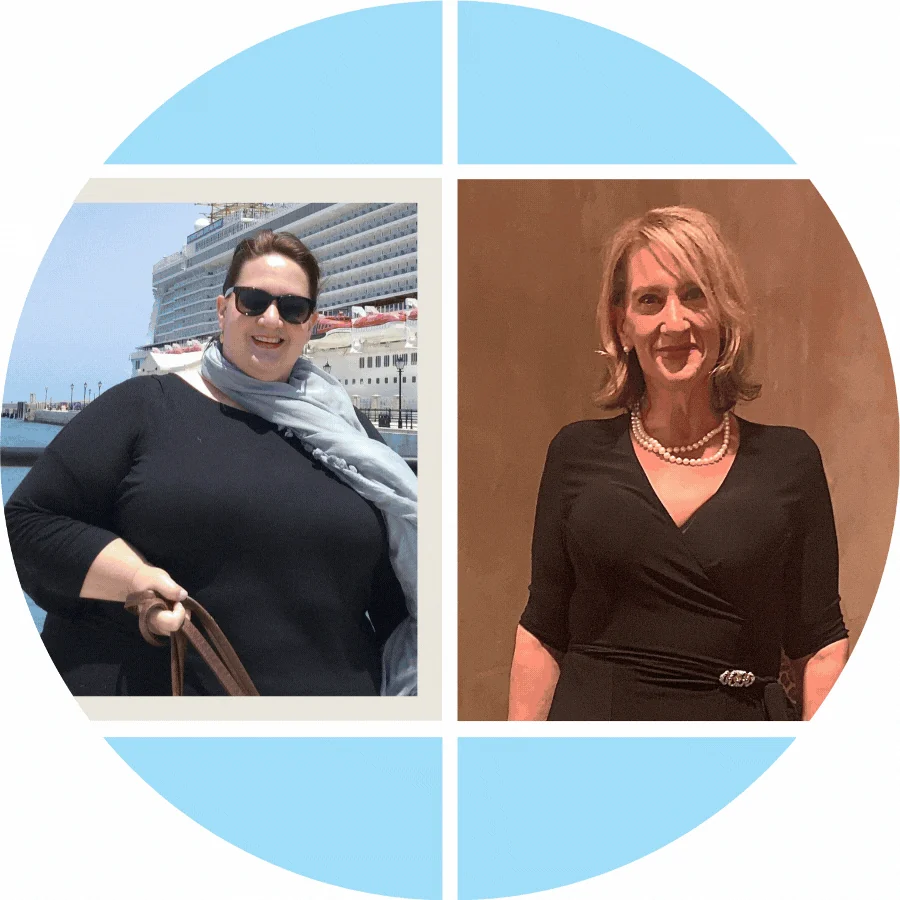

If you had told me a few years ago, when I weighed over 400 pounds and was seriously considering bariatric surgery, that I’d someday be writing about grief and food, I probably would have rolled my eyes. Or burst into tears. Or, if I’m being honest, eaten a sleeve of cookies to numb whatever this conversation was trying to stir up.
But here we are.
When people find out I’ve lost over 200 pounds and kept it off with a low-carb, ketogenic lifestyle, they almost always say the same thing: “I could never give up my [cookies/bread/rice/pasta],” or “Amy, don’t you miss [fill-in-the-blank]?”
My answer usually surprises them: I don’t really miss any one specific food. Sure, I occasionally get cravings or want a particular flavor profile, but with a little kitchen creativity and some work, I can almost always recreate a delicious, low-carb version of it.
No, what I actually miss, and what I had to grieve, was something very different: I miss being able to eat with total, reckless abandon. I miss not paying attention. And that has absolutely nothing to do with food, diets, macros or nutrition, and everything to do with stuffing myself.
It’s about “using” food rather than eating food.
“Using” Food vs. Eating Food
Food grief is the quiet, heavy realization that happens when you finally see your relationship with food for what it is.
For fifty years, I used food as a magical salve for every problem…to mop up my tears, to celebrate my joys. I used it to fill every empty, aching space in my heart that needed filling. Food was my comfort, my constant companion, and the most reliable dopamine hit.
For me, and for so many of us who have used food to cope, this is where the wires get crossed. When I look at a single, solitary cookie, my brain doesn’t see a treat; it immediately screams, “That’s not enough.” I want the endless, bottomless, uninterrupted experience of eating them, and that has nothing to do with any single cookie.
One cookie means I still have to be present. Wanting “all the cookies” is not about taste or physical hunger; it is a desperate search for a numbing off switch. Acknowledging that one will never be enough, and that it is the endless quantity I’m actually craving was the hardest, most freeing truth of all.
Eating one cookie is about food enjoyment. And when you enjoy something, you take your time and savor it. You don’t sneak it, hide it, or do mental calculations for where you can get more or when you can be alone to eat with abandon. Wanting to eat all the cookies is the opposite of food enjoyment, and doesn’t offer any satisfaction or payoff.
If my mental response to having one cookie is that I want all the cookies in the whole world, then the answer is not and never will be in the one cookie.
The Craving for Quantity
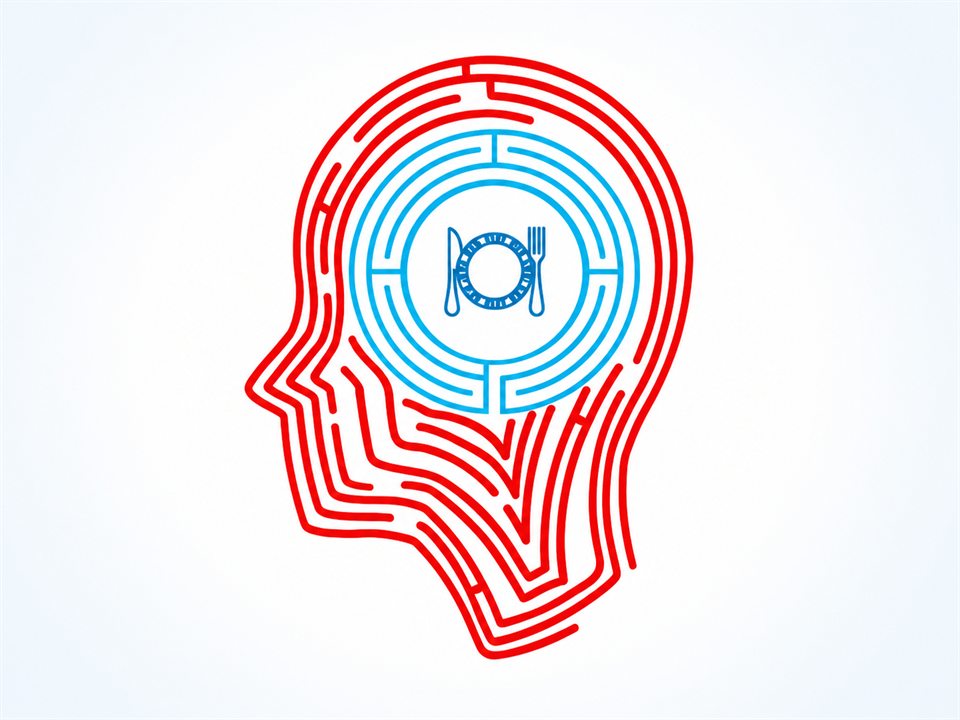
Craving massive quantities of food, isn’t actually about physical hunger at all. It is about a desperate search for safety and grounding. When we crave “big” food, we aren’t looking for sustenance; we are looking for that heavy, numbing fullness that acts like a physical anchor when our emotions are swirling out of control. We are looking to be tethered in a world where many things may feel out of control and unmoored. We are also, often, looking for solitude and isolation, a temporary reprieve from all the noise, a chance to reclaim ourselves in a sea of endless responsibilities and obligations to everyone and everything else.
It’s the solitude and the “food coma” we are chasing, when the brain finally quiets down, and we get a temporary break from our anxiety, overwhelm, stress, or sadness.
Recognizing that the craving for quantity is actually just a craving for comfort was a massive breakthrough, and allowed me to start asking, “What am I really after in this moment?” and then set about the important work of doing just that.
Facing an Uncomfortable Emotional Reality
When you transition to a low-carb lifestyle, something transformational happens: physical hunger quiets down. The constant, nagging bio-chemical driving force to eat every two hours dissipates, but when that physical noise clears, you are left standing face-to-face with the emotional reality, and suddenly, you don’t have your primary coping mechanism anymore. You can’t just numb out with a sleeve of cookies or a box of pizza (or your “drug” of choice). You have to actually feel your feelings.
That is where the grief lives, as you mourn the loss of an old friend, even if that friend was slowly killing you.
If you are on this journey and feeling a sudden sense of sadness, please know you are not broken, and you are not alone. It is okay to grieve. Acknowledge the loss, feel the feelings, and then take a step forward, because on the other side of that grief isn’t deprivation, it’s freedom.
And that freedom? It is the most beautiful, unexpected plot twist of this entire journey. For so long, I thought “food freedom” meant being able to eat whatever I wanted, whenever I wanted, without consequence. But true food freedom is actually the exact opposite. It is the peace of no longer being controlled by the next meal, the next craving, or the next emotional storm. It’s seeing food and most of the time, experiencing it for what it truly is, fuel and nourishment, rather than a lifeline to what I had perceived as sanity, but was anything but.
When you finally allow yourself to walk through the fire of your own grief, you emerge on the other side lighter in every single way. Something shifts, and you realize that using food wasn’t actually preventing or calming your feelings, it was merely kicking the can down the road and until they popped up again, demanding to be felt.