
A ketogenic diet is a very-low-carbohydrate eating pattern that shifts more of the body’s fuel use toward fat and ketones. It is not the only way to eat, and it does not need to be the right choice for every person. But it is an evidence-based option for weight loss and several metabolic conditions—not a dangerous fad that can be dismissed with a headline.
In 2025, a group of clinicians and researchers—including Dr. Tro Kalayjian—published Myths and Facts Regarding Low-Carbohydrate Diets in Nutrients. The paper addresses the safety, effectiveness, nutritional adequacy, affordability and sustainability questions patients ask most often and links them to 88 references. This article translates the evidence into 12 practical questions.

Start with the full paper: PubMed record · Free full text · DOI
Myth 1: Athletes need a high-carbohydrate diet to perform
Fact: Athletes do not all need the same fuel strategy. Trials in endurance athletes, CrossFit participants, elite gymnasts and athletes performing high-intensity intervals show that a well-formulated low-carbohydrate or ketogenic diet can preserve performance while improving fat oxidation and body composition. Adaptation time and the demands of the sport matter, and targeted carbohydrate can still be useful for selected high-intensity events.
For the detailed sport-by-sport evidence, see Do Athletes Need Carbs?. Key source studies include McSwiney et al. in endurance athletes, Kephart et al. in CrossFit trainees, Paoli et al. in elite gymnasts and Cipryan et al. on high-intensity interval exercise.
Myth 2: Keto is dangerous for people with type 2 diabetes
Fact: Carbohydrate restriction directly lowers the dietary glucose load and can quickly reduce blood glucose and medication needs. A systematic review and meta-analysis of randomized trials found that low- and very-low-carbohydrate diets can support type 2 diabetes remission. An eight-year primary-care service evaluation also reported drug-free remission in patients who chose a lower-carbohydrate approach.
Major diabetes organizations recognize low-carbohydrate eating as a valid evidence-based option; it should not be described as the single “best” diet for every patient. Because glucose can fall rapidly, people taking insulin, sulfonylureas or other glucose-lowering medications should make the change with a clinician who can monitor and adjust medication safely.
Myth 3: “Keto flu” proves the diet is harmful
Fact: Headache, fatigue, lightheadedness or muscle cramps during the first days of carbohydrate restriction are commonly linked to increased sodium and fluid loss—not proof that ketosis is damaging the body. These transition symptoms are often preventable or manageable with adequate fluid, sodium and other essential minerals. The 2025 Nutrients paper explains the physiology and points to the published keto-induction literature.
Persistent, severe or unusual symptoms should not be dismissed as “keto flu.” They deserve clinical evaluation, especially in someone taking blood-pressure, glucose-lowering or diuretic medication.
Myth 4: Keto is automatically bad for the heart because it raises cholesterol
Fact: The cardiometabolic response is broader than one marker. Low-carbohydrate interventions commonly lower triglycerides, raise HDL cholesterol, reduce blood glucose and insulin, and improve blood pressure. LDL cholesterol may fall, remain stable or rise—sometimes substantially—so the individual response should be measured rather than assumed.
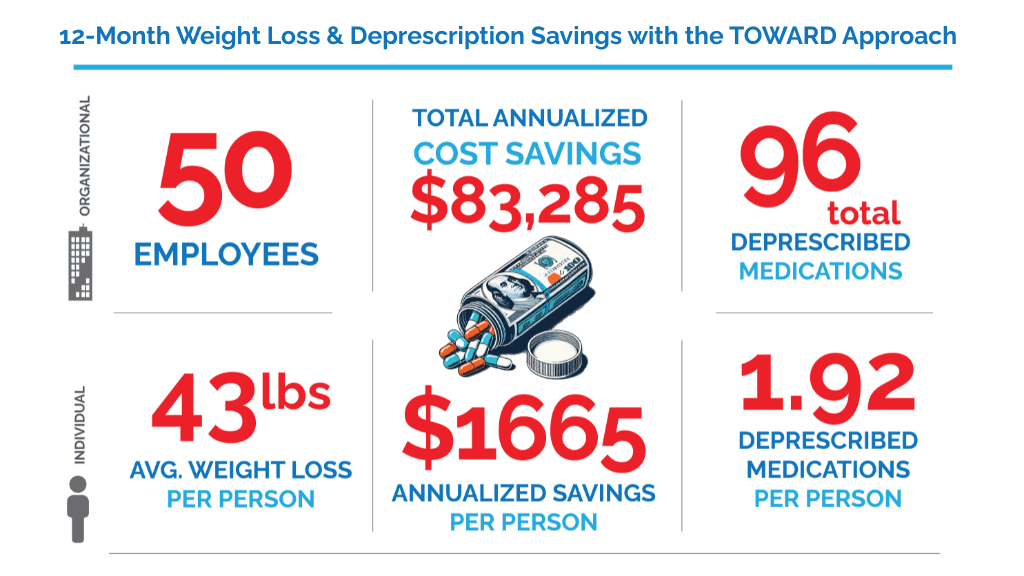
In a one-year clinical intervention, 17 of 20 measured cardiovascular risk factors improved. A Toward Health employee metabolic-health pilot reported improvements in cardiovascular risk alongside weight and metabolic changes. In the KETO Trial, people with carbohydrate-restriction–associated LDL elevations did not have greater coronary plaque burden than a matched comparison group after an average 4.7 years of exposure.
Newer work adds two useful pieces. In an August 2026 randomized trial with matched weight loss, LDL cholesterol and apolipoprotein B did not differ among ketogenic, Mediterranean and very-low-fat diets, while the ketogenic group had larger improvements in several liver and glucose measures. A new Toward-coauthored case series found larger-than-expected LDL-C reductions with ezetimibe in 14 patients with ketogenic diet–induced hypercholesterolemia, generating a precision-treatment hypothesis for this phenotype.
The practical lesson is to measure the full response—including triglycerides, HDL-C, LDL-C, apolipoprotein B, blood pressure, glycemia and the person’s broader risk context—and address concerning values rather than abandoning the metabolic gains or ignoring the lipid response.
Myth 5: Keto causes acne
Fact: Higher glycemic load can amplify insulin and insulin-like growth factor 1 signaling, pathways involved in sebum production and acne. In a randomized controlled trial, a low-glycemic-load diet improved acne symptoms. A ketogenic diet is a more intensive way to lower glycemic load, so the same metabolic pathway provides a reasonable explanation for why some patients report clearer skin.
The original article’s acne review and diet-and-acne update remain linked below.
Myth 6: Keto is bad for the gut
Fact: “Gut health” is not a single outcome, and carbohydrate restriction does not automatically worsen it. Patients with gastroesophageal reflux disease (GERD) improved in a very-low-carbohydrate intervention and in five clinical case reports. In women with obesity, a pilot intervention linked higher carbohydrate intake and insulin resistance with worse reflux symptoms, while a high-fat, low-carbohydrate diet improved symptoms.
The evidence now extends beyond reflux. In the 2024 randomized CARIBS trial, a low-carbohydrate diet was as effective as a low-FODMAP diet plus traditional advice for reducing irritable bowel syndrome symptoms. Food quality and individual tolerance still matter: a low-carbohydrate pattern can include vegetables, nuts, seeds, fermented foods and other foods selected for the person’s symptoms and goals.
Myth 7: Keto causes or worsens fatty liver disease
Fact: Liver fat is strongly influenced by carbohydrate delivery, insulin signaling and the liver’s production of new fat. Controlled feeding studies have shown that carbohydrate restriction can lower liver fat rapidly—even when dietary fat is higher.
The newest direct comparison is especially useful. In an August 2026 randomized clinical trial of adults with obesity, prediabetes and hepatic steatosis, all food was provided and weight loss was matched at about 10%. The very-low-carbohydrate ketogenic group had a two- to three-fold greater improvement in hepatic insulin sensitivity and the largest reductions in liver fat, de novo lipogenesis, A1c, and 24-hour glucose and insulin compared with Mediterranean and very-low-fat diets.
A separate 2026 randomized pilot in biopsy-confirmed metabolic dysfunction–associated steatotic liver disease found greater reductions in liver fat and body weight with a ketogenic very-low-energy intervention than with a Mediterranean-diet program. These trials strengthen the earlier evidence that reducing carbohydrate—especially refined carbohydrate and fructose—can improve fatty-liver biology.
Myth 8: A ketogenic diet ruins sleep
Fact: A low-carbohydrate diet does not inherently reduce sleep quality. In one controlled study, a very-low-carbohydrate diet increased the proportion of deep sleep. In a survey of 1,580 low-carbohydrate eaters, reported sleep-aid use fell after adopting the diet.
Sleep can temporarily shift during any major dietary change. Hunger, alcohol, caffeine, stress, sleep apnea and medication effects also matter, so a persistent sleep problem should be evaluated on its own rather than automatically blamed on ketosis.
Myth 9: Keto causes gallbladder problems
Fact: Dietary fat stimulates the gallbladder to contract. During weight loss, trials have found that including more fat can reduce gallstone formation compared with very-low-fat approaches. A randomized trial in people following very-low-calorie diets and a meta-analysis of randomized trials both support this relationship.
Rapid weight loss itself can increase gallstone risk regardless of the diet used. That makes the rate of weight loss, symptoms, prior gallbladder disease and clinical monitoring more useful than assuming dietary fat is the cause.
Myth 10: Keto cannot work for long-term weight management
Fact: Ketogenic diets can produce clinically meaningful weight loss and can be maintained long enough to support weight maintenance. An earlier meta-analysis of randomized trials lasting at least 12 months found greater weight loss with very-low-carbohydrate ketogenic diets than with low-fat diets.
An August 2026 Nutrients meta-analysis focused specifically on randomized trials with comparable prescribed energy intake. Across six studies and 259 participants, ketogenic diets produced an additional 1.49 kg of weight loss on average compared with higher-carbohydrate diets. That difference is not the whole story: hunger, glucose control, medication reduction, food preferences and the ability to continue the plan also shape long-term success.
Myth 11: Nobody can stay on keto
Fact: No eating pattern has perfect adherence, but many people sustain carbohydrate restriction because protein and fat can reduce hunger and make meals satisfying without deliberate calorie counting. That is different from saying food intake is unlimited; appetite often falls, making a lower spontaneous energy intake easier.
In the 1,580-person low-carbohydrate survey, more than half reported following the diet for at least one year and 34% for more than two years. Among respondents following it for two years or longer, weight loss was largely maintained. The same survey found a marked reduction in reported hunger between meals.
Myth 12: Keto shortens life
Fact: This claim is not established by a randomized mortality trial. It comes mainly from observational nutrition studies, including a widely cited Lancet Public Health analysis, that grouped people eating up to 37% of calories from carbohydrate into its “low-carbohydrate” exposure. That does not match the research definition of a low-carbohydrate diet—generally no more than 25% of calories—or a ketogenic diet, generally below 10%.
Observational studies can identify associations, but they cannot determine whether carbohydrate intake itself caused the outcome. The published critiques and author responses are worth reading alongside the original paper. Meanwhile, randomized low-carbohydrate trials consistently report improvements in weight, glycemia, blood pressure, triglycerides and other risk factors. Animal experiments have also found lower midlife mortality and longer lifespan and healthspan in ketogenic-diet groups, offering biologic evidence that directly contradicts the claim that ketosis is inherently life-shortening.
What the evidence supports
Low-carbohydrate and ketogenic diets are legitimate therapeutic options with a much larger clinical literature than most headlines suggest. They can improve hunger, weight, glucose control, blood pressure, triglycerides, liver fat and other aspects of metabolic health. They can also produce individual responses—including substantial LDL-C elevations in some people—that should be measured and addressed.
The useful question is not, “Is keto universally good or universally bad?” It is: “What happens to this person’s hunger, weight, glucose, medications, blood pressure, liver health, lipids, sleep and quality of life when the diet is implemented well?”
Original source material courtesy of The Low-Carb Action Network. The 2025 evidence update is anchored by the peer-reviewed paper coauthored by Dr. Tro Kalayjian and the additional studies listed above.