
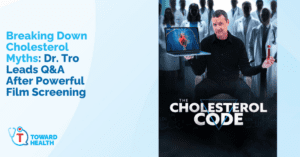
Dr. Tro Kalayjian recently took part in a special screening of The Cholesterol Code, a compelling new documentary that is already sparking widespread conversation in the metabolic health community. The film follows engineer-turned-researcher Dave Feldman, whose personal health journey led him to question conventional wisdom around cholesterol, low-carb diets, and cardiovascular risk. What began as a self-experiment has evolved into a global investigation that challenges long-held beliefs and invites a closer look at how we interpret lipid markers.
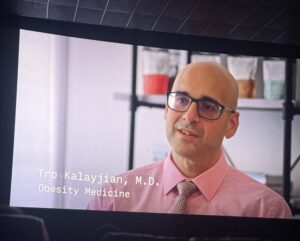
Dr. Tro, who is featured in the film as one of its clinical experts, brought his firsthand perspective to the event through a live Q&A session following the screening. Joining him was Dr. Alan Schaffer, a respected physician specializing in metabolic health and sleep disorders. Together, they
fielded a wide range of thoughtful and often complex questions from an engaged audience eager to better understand the science and implications presented in the film.
The turnout itself spoke volumes. Attendees traveled from near and far – some driving up to five hours – to be part of the experience. Their enthusiasm reflected a growing curiosity and, for many, a personal connection to the topics discussed. From cholesterol variability to the role of insulin resistance, the conversation extended well beyond the screen, creating a dynamic and interactive environment.
Also present at the event were key members of the broader metabolic health community, including Rosette Kalayjian, founder of ROSETTE’S BAKING MIXES, and TOWARD Health Coach Amy Eiges. Their attendance highlighted the collaborative and multidisciplinary nature of this movement, where clinicians, coaches, entrepreneurs, and patients all play a role in advancing u nderstanding and improving outcomes.
The discussion emphasized a central theme of the documentary: that context matters. Cholesterol is not a one-size-fits-all marker, and emerging data, much of it influenced by Feldman’s work, suggests that metabolic health, diet composition, and individual variability must all be considered when assessing risk.
For those who missed the screening, The Cholesterol Code is now available on Amazon, offering a chance to explore these ideas firsthand. Whether you’re a clinician, patient, or simply someone interested in the evolving science of nutrition and heart health, the film provides a thought-provoking look at a topic that continues to challenge the status quo.