
When someone is diagnosed with an autoimmune disease, they’re often told that their immune system is “attacking itself” and that the primary treatment is medication to suppress that response. While medications can be lifesaving and absolutely have an important role, they don’t answer a critical question:
Why is the immune system dysregulated in the first place?
 Over the past decade, we’ve learned that metabolism and immunity are deeply connected. Insulin resistance, chronically elevated glucose, excess visceral fat, and chronic inflammation all influence how immune cells function. In many autoimmune diseases, the immune system isn’t simply overactive. It’s responding within an environment that promotes inflammation and immune dysfunction.
That doesn’t mean nutrition can cure autoimmune disease, but it does mean that nutrition deserves a seat at the table.
Therapeutic carbohydrate reduction has become well established as an effective treatment for obesity, type 2 diabetes, metabolic syndrome, and fatty liver disease. Increasingly, researchers are asking whether improving metabolic health can also benefit people living with autoimmune conditions.
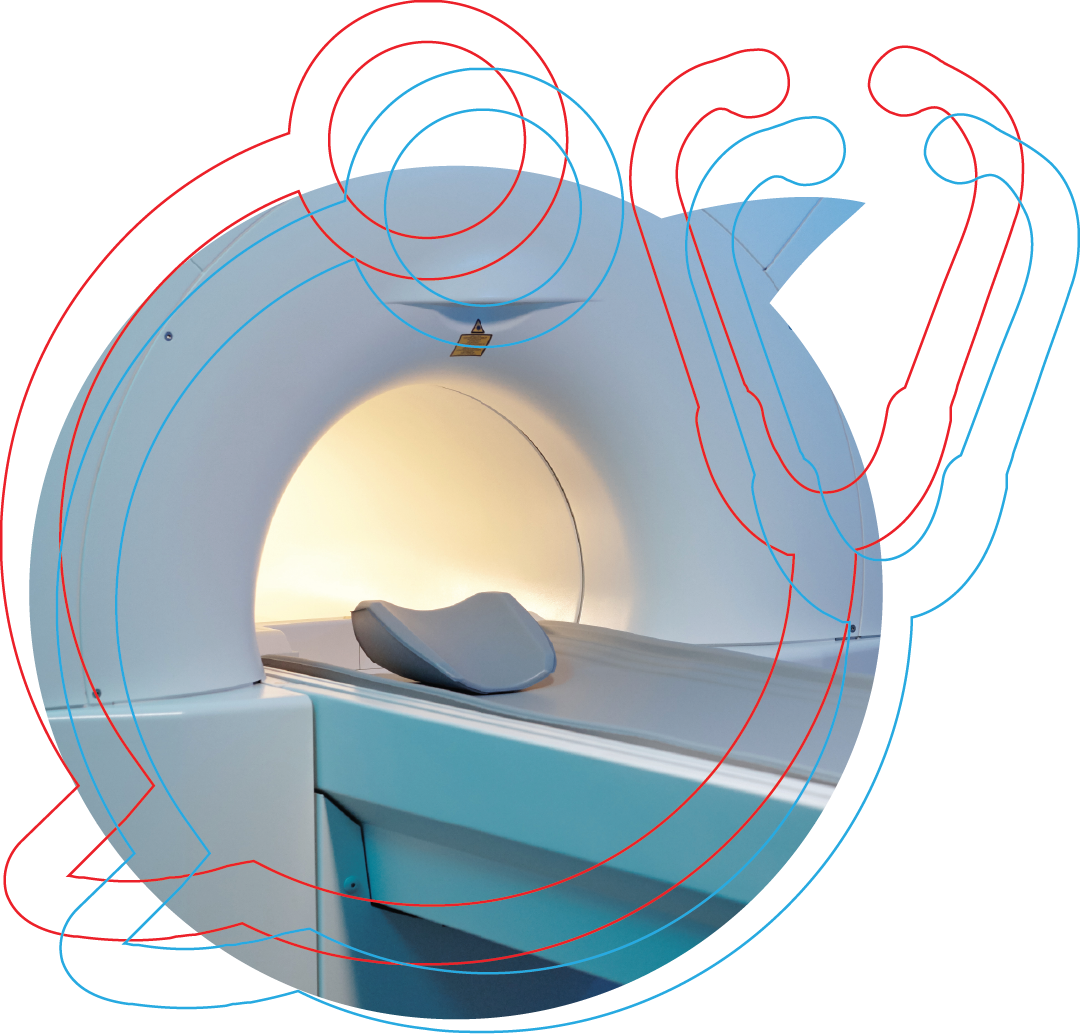
One of the strongest emerging examples is Hashimoto’s thyroiditis, the most common cause of hypothyroidism. Hashimoto’s is characterized by chronic inflammation of the thyroid and elevated thyroid antibodies, particularly thyroid peroxidase (TPO) and thyroglobulin (Tg) antibodies. In a recent six-month study, patients following a low-carbohydrate diet experienced significant reductions in thyroid inflammation as measured by MRI, along with meaningful decreases in both TPO and Tg antibody levels. While larger studies are still needed, these findings suggest that improving metabolic health may help reduce the inflammatory environment that contributes to autoimmune thyroid disease.
Type 1 diabetes offers another important example.
For decades, nutrition for type 1 diabetes has focused primarily on matching insulin doses to carbohydrate intake. While this approach allows flexibility, it often results in large swings in blood glucose, higher insulin requirements, and an ongoing balancing act that many people with type 1 diabetes find exhausting.
Therapeutic carbohydrate reduction offers another option. By reducing the amount of carbohydrate that requires insulin coverage, many people experience more predictable blood glucose levels, less glycemic variability, lower insulin doses, and more time in range. For many patients, this translates into a lower burden of disease and an improved quality of life. Importantly, carbohydrate reduction is not a replacement for insulin. People with type 1 diabetes require insulin for survival, regardless of how they eat. Instead, nutrition becomes another tool that can work alongside modern insulin therapy to improve outcomes under appropriate medical supervision.
These examples point to a much bigger idea.
Autoimmune diseases may affect different organs, but many share common biological pathways involving chronic inflammation, oxidative stress, mitochondrial dysfunction, and immune dysregulation. Improving metabolic health may not eliminate the autoimmune process, but it can improve the environment in which the immune system operates.
Why might this happen?
Lowering dietary carbohydrate often reduces insulin levels, improves metabolic flexibility, decreases visceral fat, and lowers many of the inflammatory signals that influence immune function. Nutritional ketosis has also been shown to affect immune cell signaling, oxidative stress, and cellular energy production. These mechanisms are now being actively studied across a growing number of autoimmune conditions.
This is not about replacing medications or making unrealistic promises. It’s about expanding the conversation beyond symptom management alone.
At Toward Health, we believe patients deserve comprehensive care that addresses both metabolism and chronic disease. For many people, nutrition is one of the most powerful therapies available, but it should be individualized, evidence-based, and supported by experienced medical professionals who understand how to safely integrate dietary interventions with ongoing medical treatment.
The science continues to evolve, but the direction is becoming increasingly clear. Metabolic health influences far more than weight and blood sugar. It affects inflammation, immune function, and the way our bodies respond to chronic disease.
Sometimes, changing what’s on your plate doesn’t just improve your metabolism. It changes the environment in which your immune system functions, opening the door to better health, one meal at a time.