


Dr. Tro Kalayjian founded the practice that became Toward Health in 2018 after losing 150 pounds himself. He knew how little “eat less and move more” offered someone who was still hungry. He brought clinicians and health coaches together, many with firsthand experience of obesity, diabetes or food addiction, to give patients the practical help he had once needed.
The research grew out of what patients noticed. In one early report, three people with type 2 diabetes saw their blood sugar improve and needed less medication before they had lost much weight. When patients described fewer binges after changing how they ate, the team studied that question too. In a later study, binge-eating scores fell by about a third on average. Dr. Tro, Dr. Laura Buchanan and colleagues also studied a year of metabolic care for 50 employees. Average weight loss was 15.5%, and clinicians stopped 96 medications and started eight.
The coaches brought those same patient concerns into rooms where medical advice takes shape. Amy Eiges testified before the U.S. Dietary Guidelines Advisory Committee about decades of dieting and persistent hunger. Tia Reid taught health professionals about food addiction from her own experience of recovery. Toward Health’s mission is to make sure that what patients live through shapes the questions medicine asks and the care the next patient receives.
 15.5% average weight loss at one year
 LDL fell 53% in ezetimibe responders
 29% lower predicted 10-year ASCVD risk
2014
2018
2019

One patient’s account of food, addiction and recovery
February 2019 · Dr. Tro · Dignity · Published interview
This published interview explored one patient’s account of recovery, including how changes in eating and other behaviors shaped that experience.
2020

Binge eating eased on a ketogenic diet
January 29, 2020 · Dr. Tro · Journal of Eating Disorders · Case series
Would carbohydrate restriction worsen binge eating? Three adults following a ketogenic diet reported fewer binges and fewer symptoms of food addiction. Their experiences prompted the team to study the question in a larger program.

Two patients reversed severe hypertriglyceridemia
July 28, 2020 · Dr. Tro · Current Opinion in Endocrinology, Diabetes and Obesity · Case series
The National Lipid Association’s 2019 position cautioned against very-low-carbohydrate diets in severe hypertriglyceridemia. Dr. Tro and colleagues documented two patients whose severe hypertriglyceridemia resolved with a ketogenic diet and intermittent fasting under medical supervision.
2021
A1c fell without major weight loss
June 28, 2021 · Dr. Tro · Frontiers in Nutrition · Case report
The authors questioned the emphasis on weight loss and calorie reduction in the American Diabetes Association’s nutrition guidance. In three patients who changed what and when they ate, average A1c fell from 11.9% to 6.7% over four months. Average weight loss was 8.7 pounds, and all three stopped diabetes medications under supervision.

LDL fell when five patients added carbs back
November 30, 2021 · Dr. Tro · Current Developments in Nutrition · Observational study
Why does LDL rise sharply in some people on a low-carb diet? In a survey of 548 people, leaner respondents with lower triglycerides relative to HDL tended to have larger LDL increases. In a separate series of five patients, LDL fell by 100–480 mg/dL after they added carbohydrates back.
2022
What the lean mass hyper-responder data showed
May 27, 2022 · Dr. Tro · Current Developments in Nutrition · Correspondence
In a follow-up letter, the authors answered questions about how they analyzed the relationship between leanness, metabolic markers and LDL response in the original study.
Calling out bias in the Keto-Med trial
July 26, 2022 · Dr. Tro · American Journal of Clinical Nutrition · Keto-Med trial correspondence
Dr. Tro and Dr. Eric Westman questioned how the Keto-Med trial compared diets. The trial used A1c to judge both diets, but participants taking sulfonylureas stopped them for the ketogenic phase and halved the dose for the Mediterranean phase to prevent low blood sugar. The authors argued that A1c alone could miss the benefit of similar glucose control with less medication.
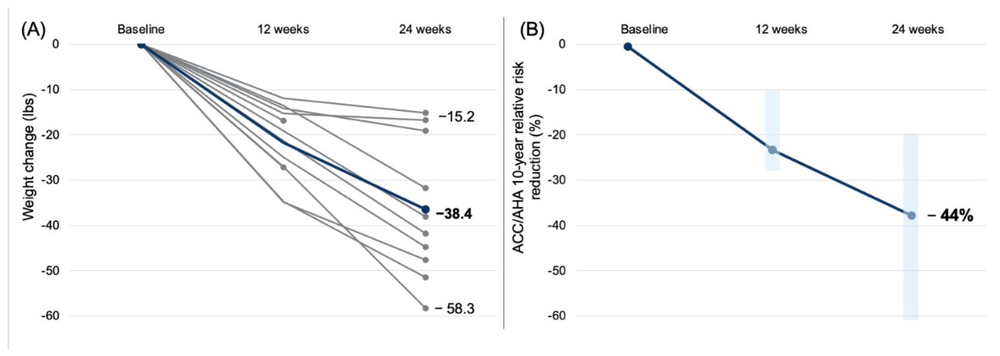
Employees who finished the pilot lost an average of 38 pounds
September 9, 2022 · Dr. Tro · Metabolites · Pilot study
This pilot asked whether physician-led, low-carbohydrate care could improve employee health and reduce medication use. The ten employees who finished lost an average of 38.4 pounds. Their metabolic health improved and they needed less medication. The pilot laid the groundwork for longer follow-up.

Weight and glucose improved. Cushing’s disease was still there.
October 28, 2022 · Dr. Tro · Metabolites · Cushing’s disease case report
A patient’s weight and glucose improved on a ketogenic diet, but other symptoms persisted. Further evaluation identified Cushing’s disease.

Bringing glucose readings into group diabetes visits
December 29, 2022 · Dr. Laura Buchanan · Dr. Matt Calkins · International Journal of Diabetes and Clinical Research · Group medical visit study
A 14-week program paired continuous glucose monitoring with group visits for people with type 2 diabetes. The study reported improvements in glucose, A1c and weight as participants received feedback on their readings and support from the group.
2023
2024

Why diabetes care and epilepsy care use different ketogenic diets
April 29, 2024 · Dr. Tro · Dr. Laura Buchanan · Dr. Matt Calkins · Journal of Metabolic Health · Clinical perspective
The authors compared carbohydrate reduction for metabolic disease with the classical ketogenic diet used for epilepsy. They explained how the treatments differ in purpose and in practice, and why findings about one do not automatically apply to the other.
How low-carb care can fit the needs of older adults
July 31, 2024 · Dr. Laura Buchanan · Journal of Human Nutrition & Food Science · Review and conference proceedings
This review brought together six expert presentations from the Healthy Aging Dietetic Practice Group’s annual conference. Dr. Laura described how clinicians can coordinate care and manage medications for older adults who choose low-carbohydrate nutrition.
Where carbohydrate reduction fits in type 1 diabetes care
November 30, 2024 · Dr. Tro · Dr. Laura Buchanan · Dr. Matt Calkins · Journal of Metabolic Health · SMHP position statement
The authors reviewed the evidence for carbohydrate reduction in type 1 diabetes care and described how clinicians can individualize insulin management and monitoring when patients choose this approach.
2025
15.5% average weight loss at one year
February 14, 2025 · Dr. Tro · Dr. Laura Buchanan · Dr. Matt Calkins · Frontiers in Nutrition · One-year program evaluation
The team followed 50 employees for a year to measure weight change, medication use and costs. Average weight loss was 15.5% of starting weight (43 pounds) in the intention-to-treat analysis. Across the program, 96 medications were stopped and eight were started. Estimated net savings were about $1,700 per participant per year.

Which criticisms of low-carb diets hold up?
March 17, 2025 · Dr. Tro · Nutrients · Narrative review
In “Myths and Facts Regarding Low-Carbohydrate Diets,” the authors compared common criticisms with published research on effectiveness, nutrition and safety.
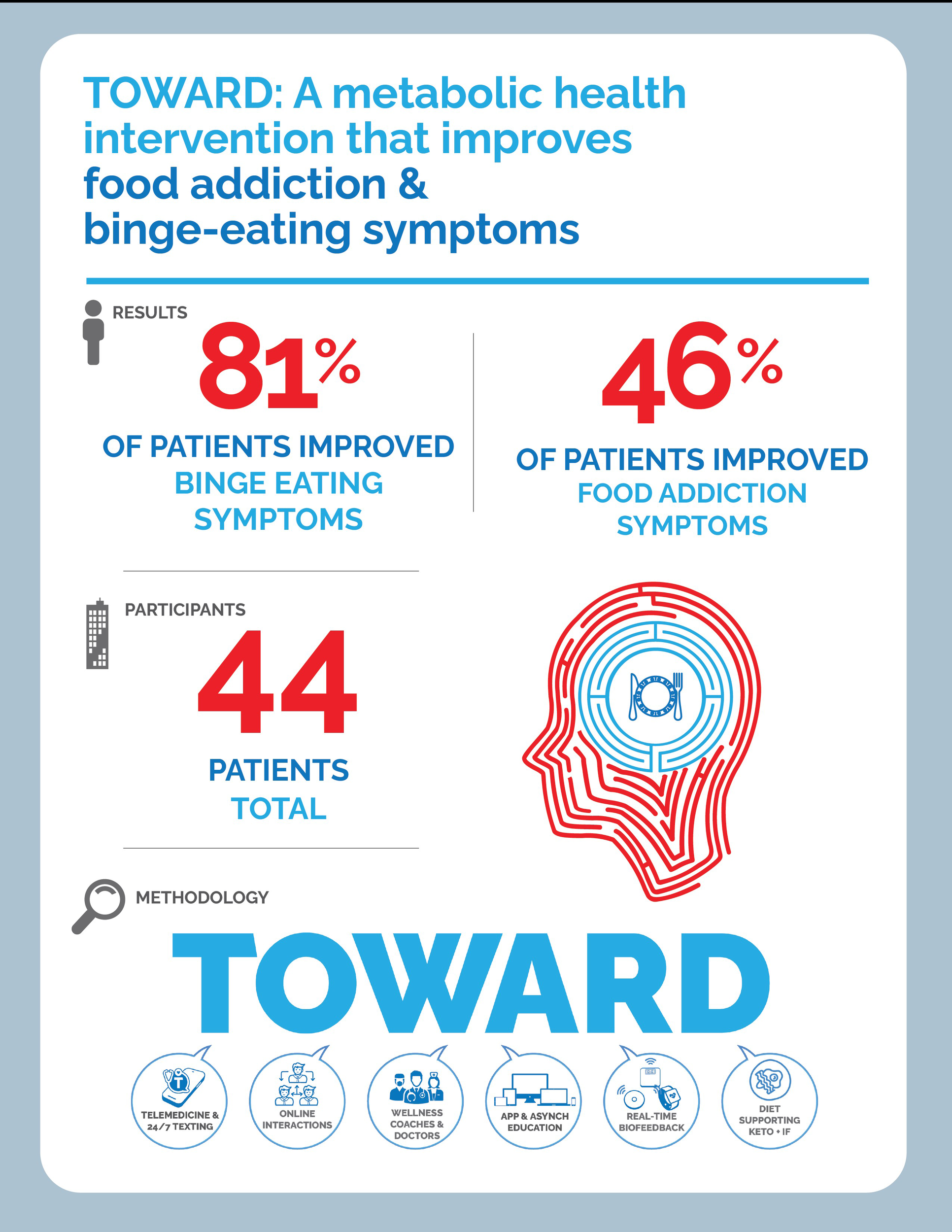
Binge-eating scores fell 35% in a program that included fasting
July 24, 2025 · Dr. Tro · Dr. Laura Buchanan · Dr. Matt Calkins · Frontiers in Psychiatry · TOWARD program analysis
The team tracked binge eating and food-addiction symptoms in a program that combined carbohydrate restriction, optional intermittent fasting and clinical support. Of 37 participants with paired binge-eating scores, 30 improved, six worsened and one was unchanged. Average binge-eating scores fell 34.7% and average food-addiction symptom scores fell 40.7%.
2026

What patients learned from watching their glucose
February 7, 2026 · Dr. Laura Buchanan · Dr. Matt Calkins · Healthcare · Pilot mixed-methods study
Building on their earlier work on diabetes group visits, the authors explored food-addiction symptoms and how people with type 2 diabetes experienced glucose monitoring. The study examined awareness of eating habits, accountability and the experience of seeing glucose feedback.
When two nutrition studies agree, what does that prove?
April 9, 2026 · Dr. Matt Calkins · BMC Medicine · Methodological reanalysis
The authors reanalyzed how researchers measure agreement between nutrition cohort studies and randomized trials. They asked how much of that agreement reflects biology and how much could arise from the way studies are compared.

How boxed warnings shaped menopause care
April 14, 2026 · Dr. Laura Buchanan · Dr. Matt Calkins · Menopause · Personal perspective
The authors traced how boxed warnings on menopausal hormone therapy shaped communication about risk and influenced treatment decisions in women’s health.
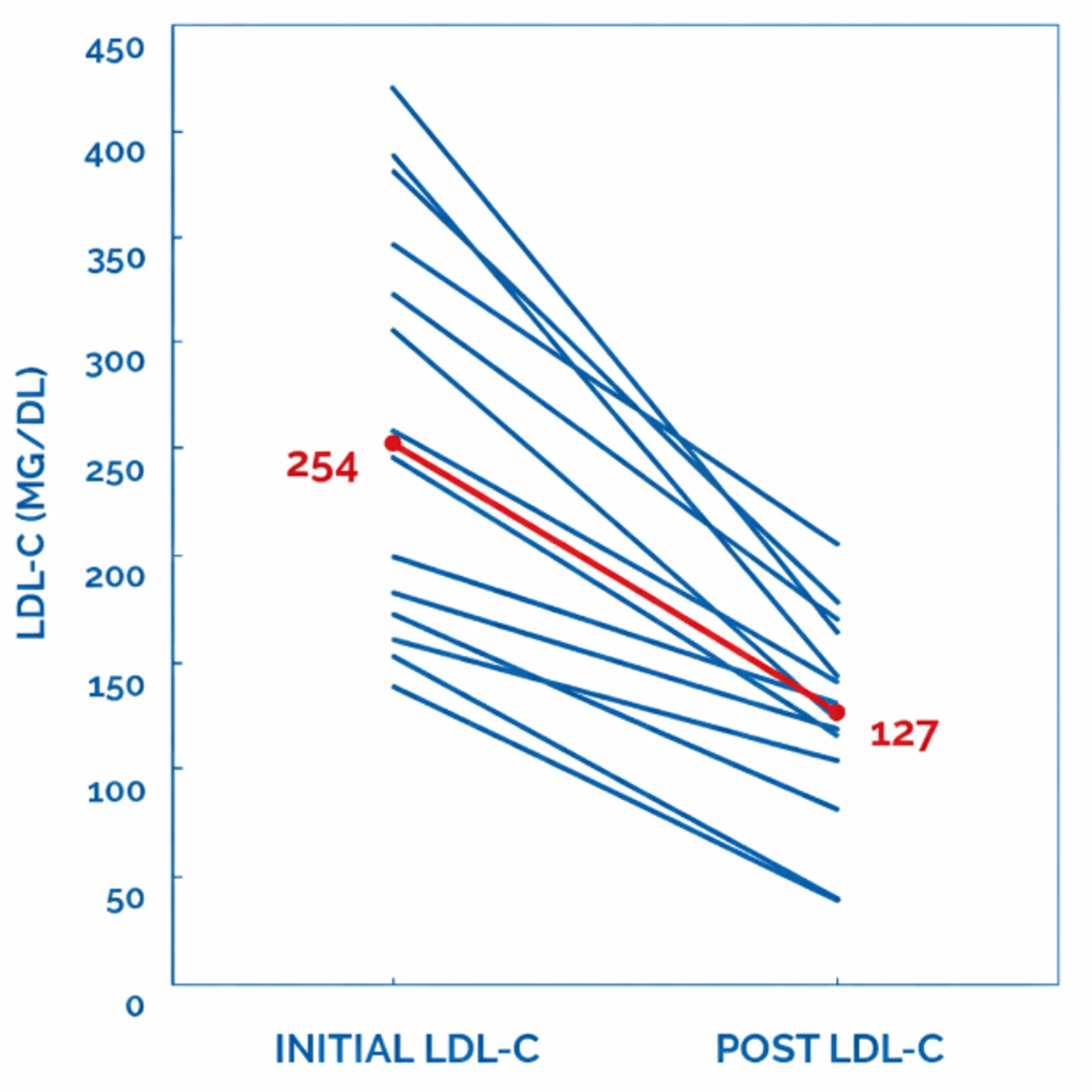
LDL fell 53% in ezetimibe responders
August 24, 2026 · Dr. Tro · Dr. Laura Buchanan · Dr. Matt Calkins · Lipids in Health and Disease · Retrospective study
The team studied 14 people whose LDL had risen on a ketogenic diet and who had a strong response to ezetimibe. Median LDL went from 254 to 127 mg/dL, with a median within-person reduction of 53.2%. The authors proposed that low insulin levels may change cholesterol absorption and how the liver releases particles that carry apoB.
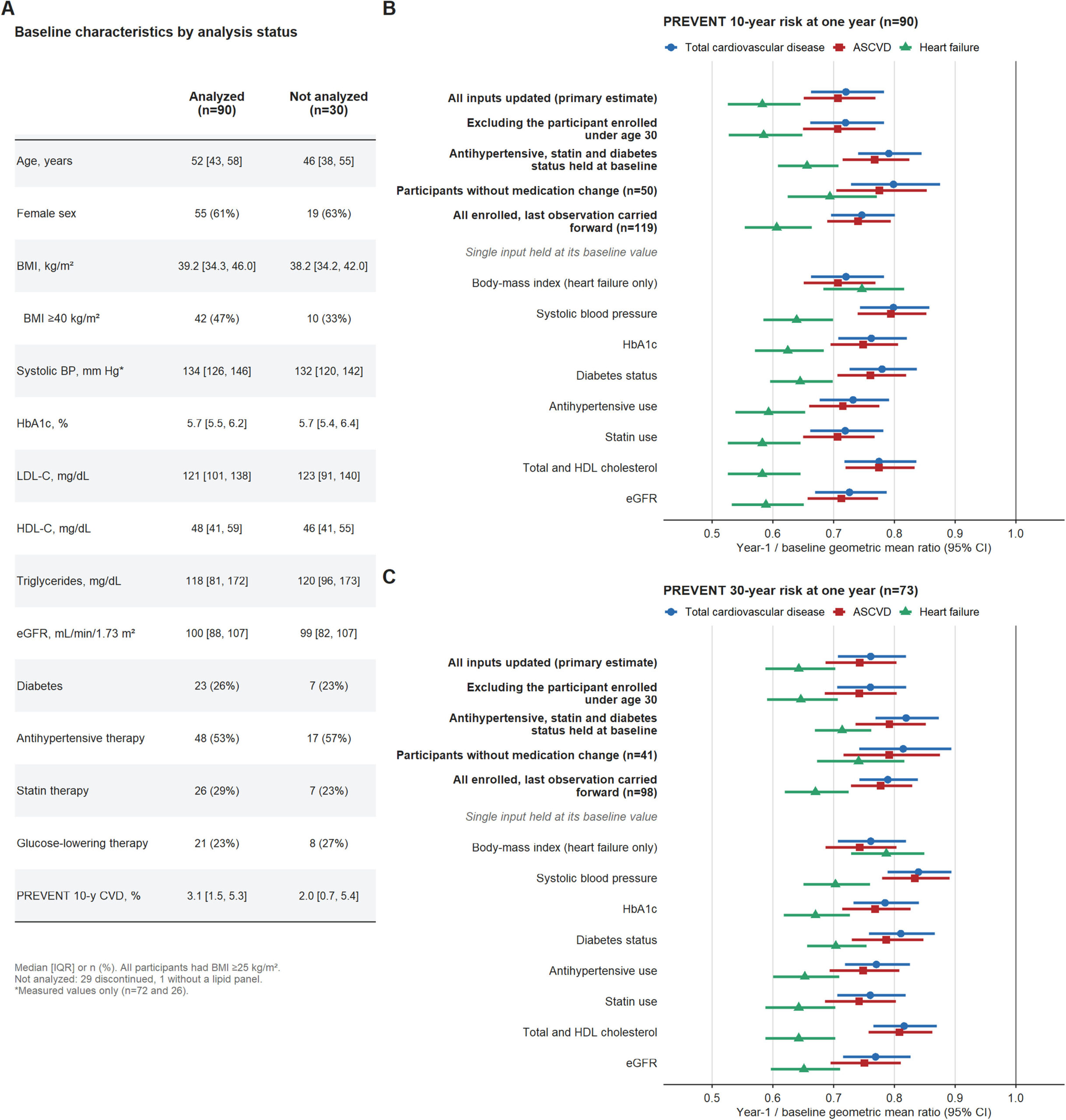
29% lower predicted 10-year ASCVD risk
September 30, 2026 · Dr. Tro · Dr. Laura Buchanan · Dr. Matt Calkins · American Journal of Preventive Cardiology · One-year cardiovascular risk analysis
The team used the AHA PREVENT equations to estimate how cardiovascular risk changed over one year of telehealth ketogenic care. Of 120 employees, 90 had paired estimates. Predicted 10-year ASCVD risk fell 29% relative to baseline. Estimated total cardiovascular disease risk fell 28% and estimated heart failure risk fell 42%.
How clinicians can put carbohydrate reduction into practice
October 2, 2026 · Dr. Tro · Dr. Laura Buchanan · Dr. Matt Calkins · Journal of Metabolic Health · Delphi consensus guideline
The authors developed consensus guidance for clinicians using carbohydrate reduction to treat metabolic disorders. It covers patient selection, treatment, monitoring and medication management.
Answering critics on fat, carbohydrate quality and clinical outcomes
October 30, 2026 · Dr. Tro · Nutrients · Correspondence
In a response to critics of their “Myths and Facts” review, the authors explained how they interpreted the evidence on saturated fat, carbohydrate quality and clinical outcomes.


Where the team serves today
Dr. Tro Kalayjian serves on SMHP’s board as a founding member and on CMH’s scientific and clinical advisory committee. Dr. Laura Buchanan, a founding member, serves as board secretary and participates in the Advocacy Committee and Research Academy.
Dr. Matt Calkins chairs Advocacy and CME, following his earlier leadership of the Resources Committee and his work leading SMHP’s accreditation effort.
Tia Reid serves on the Resources Committee, and Vic Basmadjian serves on the Canadian chapter board.
Board of Directors → · Committees → · Canadian chapter → · CMH advisory committee →