
One of the biggest myths in medicine is that hunger is simply a matter of self-control. If that were true, obesity would have been solved decades ago. Instead, millions of people find themselves constantly battling cravings, overeating foods they know don’t serve them, and blaming themselves when they feel hungry again just hours after eating.
The problem isn’t a lack of willpower. It’s biology.
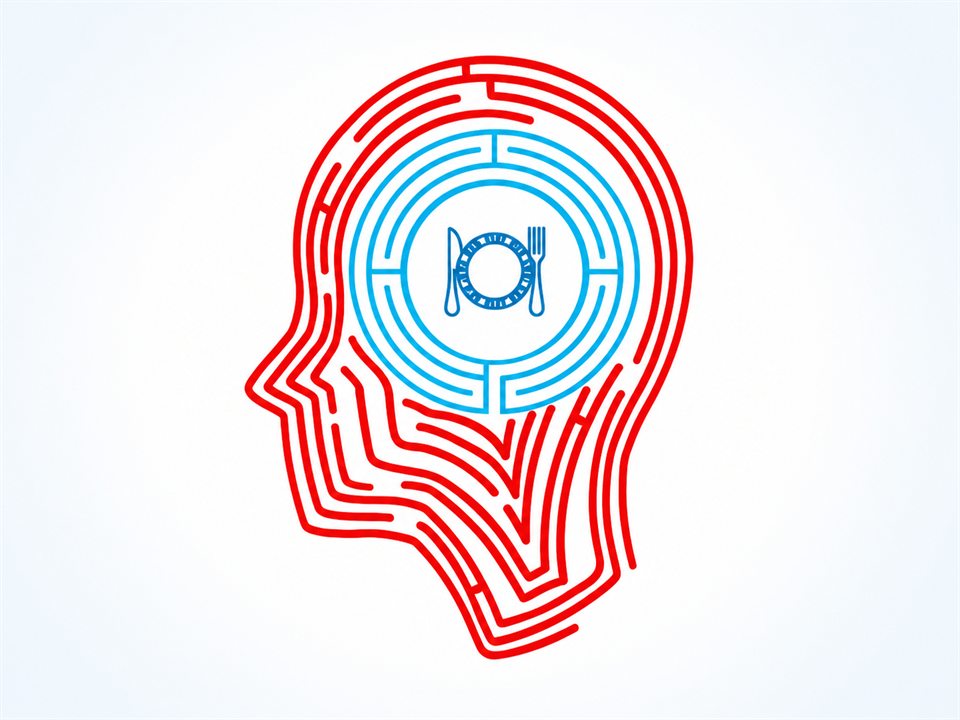
All of our brains are wired in very concrete and reproducible ways, especially when it comes to what drives us to eat excessively. Understanding those mechanisms is one of the keys to sustainable weight loss and long-term metabolic health.
Why Certain Foods Feel Impossible to Resist
Have you ever noticed that nobody binges on plain sugar or drinks olive oil by the spoonful? The foods people struggle with most, including pizza, fries, ice cream, chocolate, and cake, share a common signature. They combine carbohydrates and fat.
This combination creates a powerful reward response in the brain. Brain imaging studies show that when carbs and fat are combined, the reward centers light up dramatically. Researchers have even found that people are willing to pay more for foods containing this combination because our brains perceive them as especially valuable.
It’s not your imagination. Carbohydrates alone are rewarding, but adding fat amplifies the craving. That is why foods like macaroni and cheese, buttered bread, and French fries can feel almost impossible to stop eating.
Blood Sugar Drives Hunger
For decades we’ve been taught that calories are all that matter, but focusing exclusively on calories while ignoring hormones and blood sugar has been an overwhelming failure.
Hunger is heavily influenced by glycemic variability, which refers to the rapid rise and fall of blood sugar after eating. When blood sugar spikes and then crashes, your brain interprets that drop as a threat. Even if you’ve eaten enough calories, your brain sends signals that make food seem more rewarding and increase cravings. Studies show that these blood sugar dips cause people to eat more at their next meal and continue eating more throughout the day.
This is why many people feel hungry shortly after eating cereal, bagels, pasta, or snack foods. High-carbohydrate meals often create the very hunger they fail to satisfy.
Stress Makes Hunger Worse
Stress is probably the number one cause of weight regain we see in our practice.
Most people assume stress causes them to consciously eat more, but stress-induced hunger is often subconscious. During stress, hormones raise blood sugar levels, which eventually leads to insulin release and blood sugar crashes. That is when cravings show up, often after work or late at night.
Stress also shifts blood flow away from the part of the brain responsible for self-control and decision-making. Nobody comes home stressed and craves broccoli, they crave pizza, cookies, cake, and ice cream.
When life becomes overwhelming, I encourage patients to focus less on weight loss and more on satiety. Prioritize protein, sleep, movement, and stress management. Weight loss can wait. Preventing weight regain is often the bigger victory.
Why Variety Makes You Eat More
Ever wonder why you’re stuffed after dinner but somehow still have room for dessert?
This phenomenon is called sensory-specific satiety. New flavors, textures, and tastes stimulate the brain and encourage continued eating.
Food manufacturers know this. Restaurants know this. Grandma knew this. The more variety we expose ourselves to, the more we tend to eat. This effect transcends every dietary approach. Whether you’re low carb or low fat, increasing food variety drives consumption.
Awareness alone can be powerful, and limiting food variety can help control appetite.
The Goal Isn’t Eating Less. It’s Being Less Hungry.
If I’m going to ask someone to lose weight, I first have to help them manage their hunger.
Low-carbohydrate diets work not because they are magic, but because they improve blood sugar stability and enhance satiety. Protein-rich foods like meat, fish, eggs, and poultry suppress hunger hormones and keep people fuller longer.
Ketosis has been shown to suppress ghrelin, the hunger hormone, while preserving important satiety signals. Many patients find they naturally eat less without counting calories because they simply are not hungry.
That is why I do not spend much time asking people to count calories. Instead, I want them to understand hunger.
Because if your goal is to manage eating for the rest of your life, you need to understand what your brain craves and why.
Once you stop fighting biology and start working with it, everything changes.