
Waking up after a restful night’s sleep is one of the best feelings in the world and is a critical part of just about every aspect of your health. However, it can be difficult in our culture of go, go, go to calm our minds and bodies enough to allow sleep to happen. All too often, sleep is an area of our lives that is short changed so we can fit more into our days. With so much to get done and so little time, it can be commonplace to push yourself past your bedtime to finish up some work, get an extra load of laundry done or just because you want some time to yourself with no other obligations.
Falling asleep can also be a challenge. Does the following scenario sound familiar? You’re finally ready for bed after a long, stressful day. You do your nightly routine, put on comfy clothes, lie down in bed and… you just stare at the ceiling for hours on end with thoughts buzzing in your mind, causing you to toss and turn, never quite getting comfortable. Getting your brain and body ready for sleep is an essential part of sleep hygiene which will help improve weight loss and overall health.
Just how important is sleep to your diet? Consider the results of these studies:
This study showed in 60 people that an intervention to merely sleep more literally decreased energy intake without any effort or intention on behalf of the patients.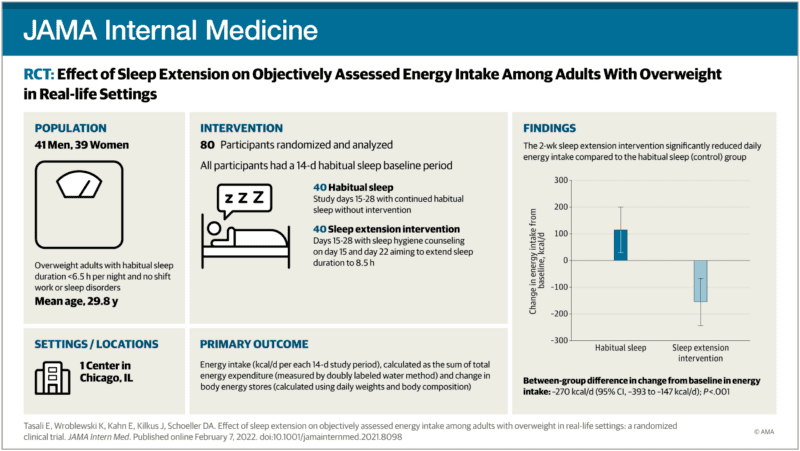
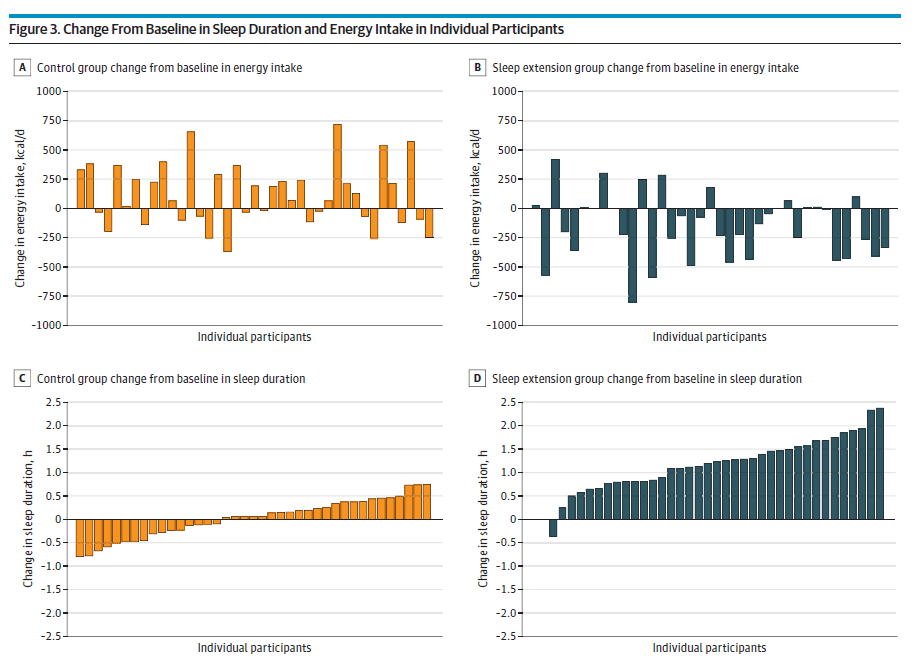
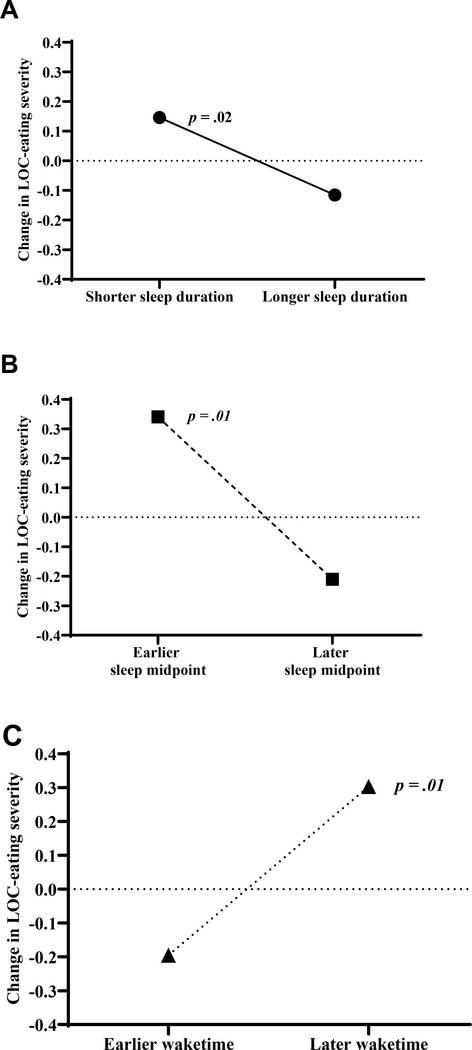
This study shows a linear relationship between sleep deprivation and loss of control when eating. This implies that sleep deprivation makes sustaining a lifestyle considerably harder.
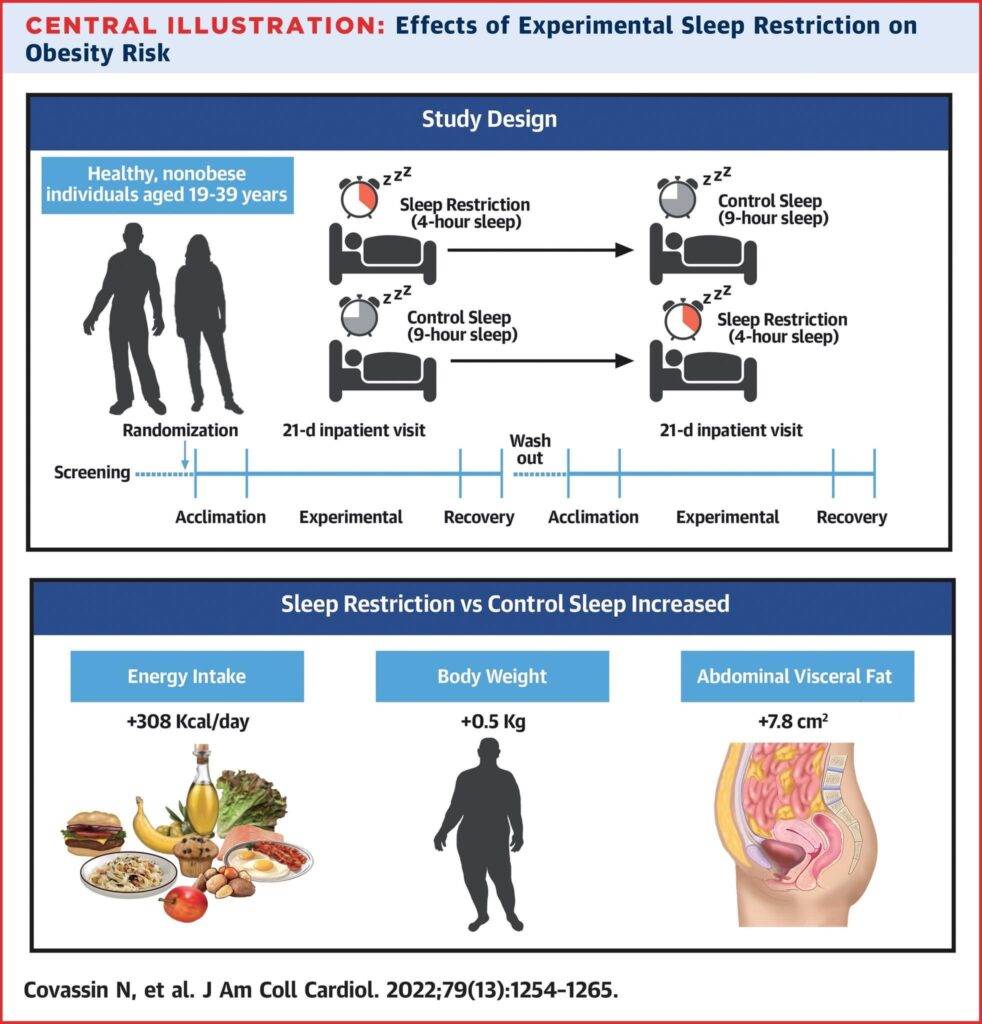
Sleep restriction combined with ad libitum eating promotes excess energy intake without varying energy expenditure. Weight gain and particularly central accumulation of fat indicate that sleep loss predisposes one to abdominal visceral obesity. https://www.jacc.org/doi/10.1016/j.jacc.2022.01.038
Also these studies shows that sleep deprivation increases food and sweet cravings:
The impact of sleep deprivation on food desire in the human brain: https://www.ncbi.nlm.nih.gov/pmc/articles/PMC3763921/
Associations of Sleep with Food Cravings, Diet, and Obesity in Adolescence: [https://www.ncbi.nlm.nih.gov/pmc/articles/PMC6950738/]
Here are some guidelines to follow to get the most out of your sleep:
Have a nightly routine that allows you to wind down. Everyone’s routine will be a little different, but the activities won’t matter much so long as you find them calming. Reading a book, spending time with family, practicing mindfulness or meditation, or taking a soothing, warm bath or shower are good places to start if you’re having trouble coming up with a routine.
In general, try to avoid screens for at least one hour prior to bedtime. Screens emit blue light which signals to your brain to move to a more wakeful state. Screens include things like TVs, computers, tablets and smart phones and watches. If you can’t avoid screens, you can look into getting blue light blocking glasses or see if your devices have a blue light blocking setting.
Avoid drinking alcohol prior to bed as it will impact the quality of your sleep. Drinking caffeine too late in the afternoon or evening can impact your ability to fall asleep as well. Make sure that you are mindful of how late you are drinking coffee in the afternoon and check labels on other drinks like teas to make sure there is no caffeine. Also be mindful of your fluid intake. If you find yourself waking at night to use the bathroom you may want to stop drinking liquids earlier in the evening.
If you do find yourself waking up at night for any reason, avoid turning lights on or looking at screens. If possible, stay in bed and try to fall back asleep. Lights and activity will wake your brain up more and make it more difficult to fall back to sleep.
The environment that you sleep in is important too. Keep your room cool and dark. Our brains are programmed to wake when we’re exposed to light so using black-out curtains or a sleep mask can improve sleep quality.
Keep your room quiet, but not too quiet. Some may find a white noise soothing: things like running a fan or using a white noise generator. Others may prefer to use ear plugs for a truly silent night. Experiment to find out what works best for you.
Sleep should not be overlooked on your journey to better health. If you’re reading this article, chances are you’re already taking steps to take control of your health. Sleep hygiene is just another tool that can be added to your toolbox to improve overall health.