Home Food Addiction Program

Medical Program for
Food Addiction

Compulsive overeating is a medically recognized pattern of dysregulated appetite and reward signaling that can impact metabolic health.

Part of Toward Health’s physician-led obesity medicine and metabolic health services. You can use your HSA/FSA for any of our medical programs. 

Backed by Research. Built for Real Life.

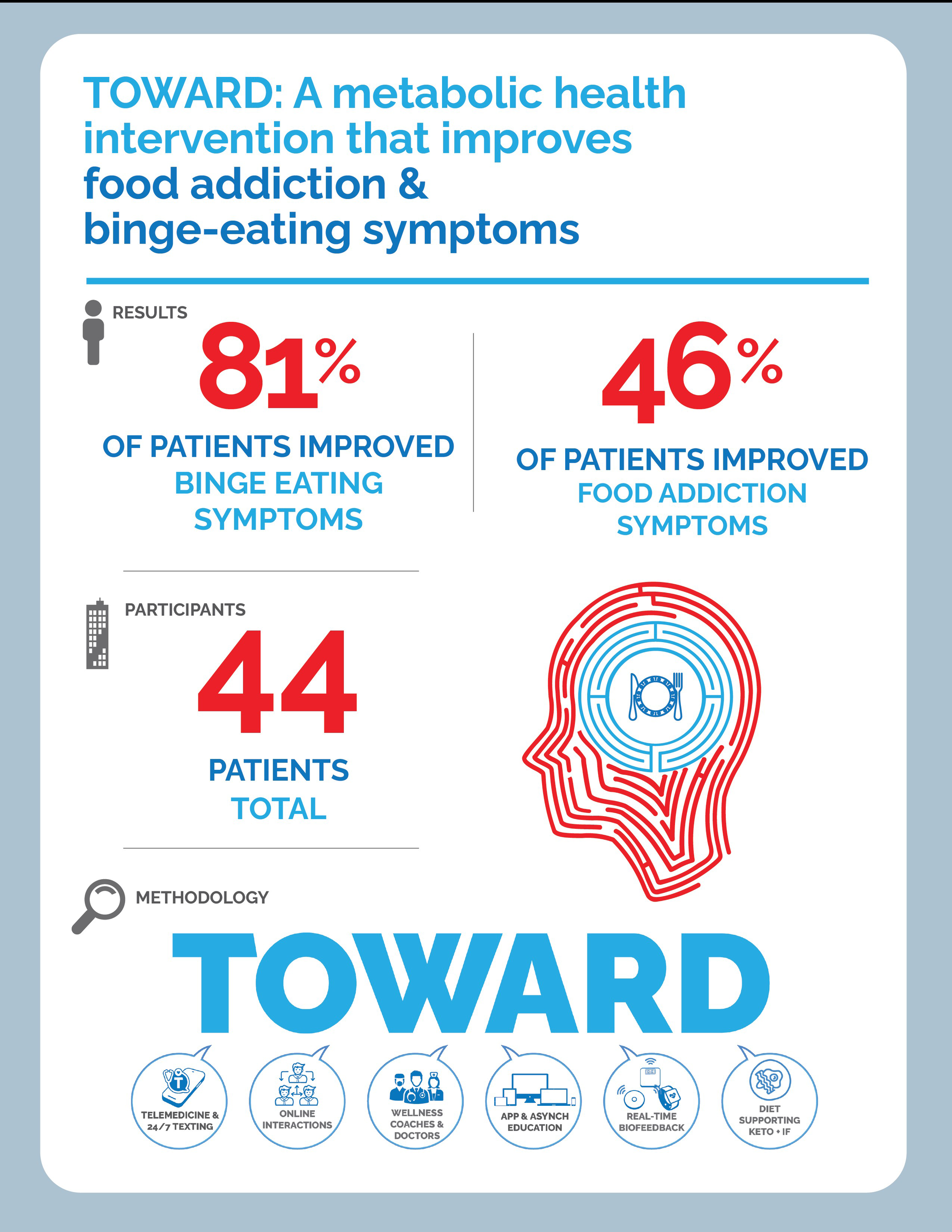
45lbs

Avg. Weight Loss

48%

Reduction in Food Addiction Scores

80%

Reduction in Compulsive Eating Scores

15mmHg

Avg Systolic Blood Pressure Reduction

2

Avg Medication Deprescription

The TOWARD Approach

We use a continuous care model with a multimodal approach that has been published in peer-reviewed research.

BeforeAfter 900x900 26

Know what to do but struggle with how to do it in the real world

Feel unable to stop once eating begins

Experience loss of control around certain foods

Cannot sustain a life of constant tracking and restrictive plans

Have tried diets, medications, or weight loss programs but are struggling to make progress

How Our Program Works

Enroll in Program
Comprehensive Medical Intake
Match with a coach
Weekly clinical education and progress review
Better understand your body’s hunger and fullness signals
Continuity of metabolic & primary care opportunities

What You'll Get

Structured program (led by physician and coach)
Education on compulsive eating
Strategies to improve regulation of food intake
Structured reflection exercises using the CAGE-based model
Access to Toward Health’s digital community and remote monitoring tools
CGM + scale + BP cuff integration for biofeedback awareness

Not sure yet? Book a call to ask questions and see if this is a good fit.

Self-Assessment for Compulsive Overeating

We use a brief structured questionnaire as part of our medical evaluation process to help assess patterns of overeating and loss of control. Consider the following questions:

C(utting): Have you ever felt you should cut down on your food consumption?

A(nnoyance): Have people annoyed you by criticizing your eating habits?

G(uilty): Have you felt bad or guilty about your eating?

E(ye-opener): Do you eat to steady your mood, sneak food, lose control, or feel intense shame or distress around eating?

  • 1 or 2 “yes” answers usually mean you can focus on nutrition and lifestyle improvements.
  • 3 or 4 “yes” answers suggest a stronger focus on your behavior and relationship with food may be needed.

If you score 3 or 4, we encourage you to reach out. We can help guide you toward healing your food relationship, not just focusing on nutrition or weight loss.

Contact us to learn more about how we support people struggling with food addiction. 

Disclaimer: This is not a validated approach, but it is a clinically useful screening method we use in our clinic.

Food Addiction Quick Check

While originally created for alcohol dependence, we’ve adapted the validated CAGE questionnaire to help quickly screen for binge eating and food addiction.

Ask yourself these questions...

  • C(utting): Have you ever felt you should cut down on your food consumption?

  • A(nnoyance): Have people annoyed you by criticizing your eating habits?

  • G(uilty): Have you felt bad or guilty about your eating?

  • E(ye-opener): Do you eat to steady your mood, sneak food, lose control, or feel intense shame or distress around eating?

How the Program Works

Enroll in Program
Intake and food addiction screening
Weekly sessions, reflection, and education
Learn to trust your hunger and satiety
Optional transition to weight loss or metabolic care

Physician
Supervised

Personalized, high-touch support with accountability at every step. You’ll be guided throughout your journey by a dedicated medical professional who is committed to your success.

Dedicated
Health Coaching

With personalized guidance from experts who understand your challenges, you’ll have access to a supportive network through messaging, a social platform, and more. You’re never alone on this journey.

Real-Time
Remote Monitoring

Lab work, continuous glucose monitoring, and real-time feedback—all from the comfort of your home.

Proven
Results

We believe that true success comes from small, meaningful changes that last a lifetime, not temporary solutions.

The following is a personal narrative describing Dr. Kalayjian’s lived experience with obesity and overeating. 

A note from Dr. Tro Kalayjian, Founder

“I once weighed 350 pounds and could not stop eating, even as a physician. Food had taken over my emotions, my habits, and my identity. I used to hide and binge. I felt guilty all the time. I was angry when anyone tried to help me. That is addiction. I created this program because I lived it. This is not just about weight. It is about the emotional prison food becomes. We help people break free.”


The Toward Health Food Addiction Program is a physician-led medical program focused on metabolic health, appetite regulation, and obesity medicine. It does not provide psychiatric, psychological, counseling, or other mental health treatment services.

Take the Next Step

We help you improve regulation of food intake and build sustainable nutrition habits through physician-led medical care.

Program is HSA/FSA eligible.

$500 onboarding fee
$500/month for 6-Months*​

*Participants are automatically enrolled in our DPC Program after 6 months, with the flexibility to cancel at any time following the initial program term.

Care Team

HeroImage

Start with
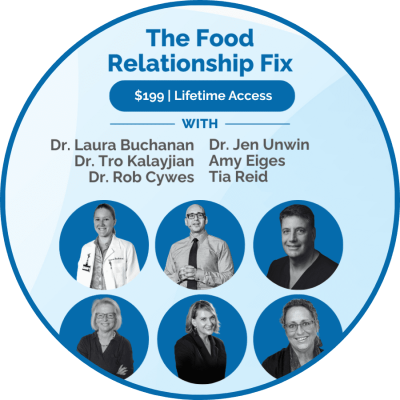
The Food Relationship Fix

Our $199 course provides structured education on compulsive overeating and appetite regulation. Available now in the Toward Health app with lifetime access.

If you decide to enroll in the Food Addiction Program, you’ll receive a $199 credit toward your enrollment.

This course is included at no additional cost for patients enrolled in the Food Addiction program.

FRF Team Photo

Ready to Break the Cycle?

Contact Us

Apply Now

Careers Application

Join us September 20 for our Grand Opening Celebration at Toward Health followed by a Meat Up Social with great food, community, and exclusive swag!